


 Asian Stocks Mixed as Markets Await U.S. Jobs Data
  Asian Stocks Rise as Bond Yields Ease Ahead of U.S. Inflation Data
  Australia Trade Surplus Shrinks Sharply as Imports Surge
  India Manufacturing Growth Hits Seven-Month High in September
  Yen Strengthens on Tokyo Inflation as Dollar Awaits US Jobs Data
  Jared Isaacman Confirmed as NASA Administrator, Becomes 15th Leader of U.S. Space Agency
  Neuralink Plans High-Volume Brain Implant Production and Fully Automated Surgery by 2026
  NASA Artemis II: First Crewed Moon Mission Since Apollo Takes Four Astronauts on 10-Day Lunar Journey
  FDA Adds Fatal Risk Warning to J&J and Legend Biotech’s Carvykti Cancer Therapy
  Middle East Oil Exports Recover as Tanker Costs Surge
  Tokyo Inflation Jumps to 2.7%, Boosting BOJ Rate Hike Expectations
  Is space worth the cost? Accounting experts say its value can’t be found in spreadsheets
  AI Agents Could Disrupt Financial Services, Bernstein Says
  Trump Administration to Launch Autism Initiatives Targeting Acetaminophen Use and New Treatment Options


 Add as a preferred source on Google
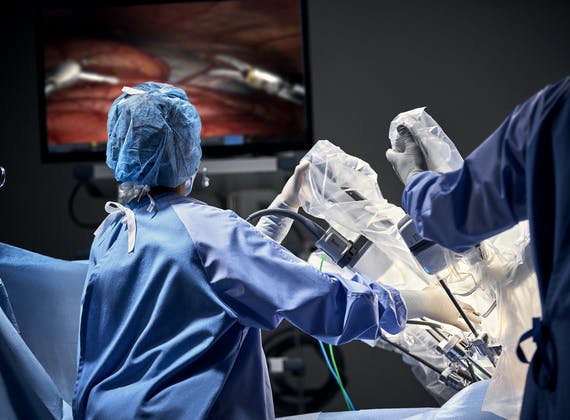
Seoul National University Hospital completed a liver transplant procedure using a robot and a laparoscope that left no huge abdominal scars for both the donor and recipient.
Suh Kyung-suk, a professor on the liver transplant team, noted that the new surgical procedure also reduces complications associated with the lungs and scars and shortens the recovery time.
The use of a robot and a laparoscope that allowed a transplant without opening the donor's abdomen was the world's first.
To extract the liver, the donor’s pubic bone area needed to be excised.
But the use of a robot and a laparoscope left only several tiny holes that were hidden by underwear.
The research results were published in the British Journal of Surgery and the American Journal of Transplantation.







