


 Canada Faces 50% U.S. Tariffs as Trade Tensions Threaten USMCA Talks
  Israeli Airstrike Kills Six Palestinians in Gaza as Trump Peace Plan Stalls
  Trump Approval Rating Hits Presidency Low as Iran War Concerns Grow
  Erdogan Urges Trump to Resume Iran Talks, Offers Turkey’s Support for Peace Efforts
  Israel, Syria Discuss Turkey’s Military Presence Before Airstrike
  Trump Administration Allocates $206 Million for Gaza Peacekeeping Force
  US, South Korea Cut Joint Military Drills as Trump Seeks North Korea Talks
  UN Chief Raises Concern Over US Sanctions on ICC Officials
  Israeli Airstrikes Kill 10 Palestinians in Gaza as Ceasefire Diplomacy Stalls
  Israel Strikes Syrian Airbase Near Aleppo, Raising Tensions With Turkey
  Angie Nixon Scores Florida Senate Primary Upset as Key Midterm Races Take Shape
  US CENTCOM Chief Praises USS Abraham Lincoln Crew Amid Mental Health Concerns
  Trump Says Iran Should Surrender as Nuclear Deal Talks Stall
  Trump Says Iran Talks Halted as Hormuz Dispute Pushes Oil Higher
  Prince Harry and Meghan Markle Reportedly Plan UK Move With Children
  Trump Says Iran Talks Halted as Strait of Hormuz Dispute Fuels Oil Concerns
  Ukraine Names Yevhenii Khmara Defence Minister Amid Election Row


 Add as a preferred source on Google
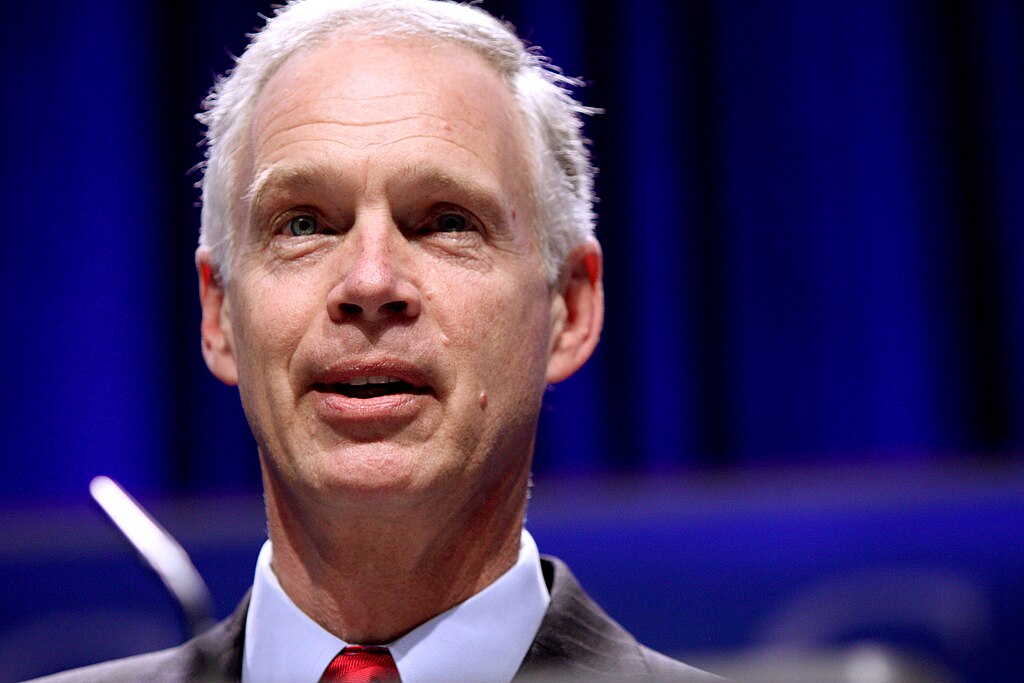
In a move sparking widespread debate, Sen. Ron Johnson (R-Wis.) has announced plans to issue subpoenas to the Centers for Disease Control and Prevention (CDC), the Food and Drug Administration (FDA), and the Department of Health and Human Services (HHS) to obtain data on adverse health effects related to COVID-19 vaccines. Johnson, who is poised to assume the chairmanship of the Senate’s Permanent Subcommittee on Investigations, said this would be a top priority under his leadership.
Senator Calls for Greater Transparency on Vaccine Data
Sen. Johnson has long been vocal about his concerns regarding COVID-19 vaccine safety, questioning federal agencies' handling of data related to potential adverse effects. He argues that the public deserves full transparency on any risks associated with the vaccines. During a recent press conference, Johnson criticized the CDC and FDA for what he described as a lack of openness in addressing vaccine-related injuries.
The Republican senator has accused these agencies of failing to provide comprehensive data to lawmakers and the public. “It’s about accountability and transparency,” he said, emphasizing the importance of restoring public trust in health institutions.
Johnson plans to issue subpoenas to obtain internal communications, research data, and adverse event reports linked to COVID-19 vaccines. His push comes amid continued debate over vaccine mandates, booster shots, and the long-term efficacy of vaccines. However, health experts and federal officials have repeatedly affirmed the safety of approved COVID-19 vaccines, citing extensive clinical trials and ongoing monitoring.
Critics Slam Johnson’s Plan as Politically Motivated
Johnson’s announcement has drawn sharp criticism from health experts, Democrats, and advocacy groups who view his efforts as undermining public confidence in vaccines. Critics argue that such investigations could fuel vaccine hesitancy at a time when global efforts to combat COVID-19 continue.
Dr. Emily Carter, a public health expert, described Johnson’s move as “irresponsible and harmful,” warning it could spread misinformation about vaccines. She added that the vaccines had undergone rigorous testing before being approved for emergency use and remain critical tools in controlling the pandemic.
Opponents also accuse Johnson of using his platform to advance a political agenda rather than focusing on evidence-based concerns. “This is less about public health and more about creating headlines,” said one Democratic lawmaker.
Social Media Reactions Highlight Public Divide
Sen. Johnson’s announcement has ignited a flurry of reactions on social media, with users taking sharply divided stances:
- @HealthAdvocate2024: “We deserve the truth about vaccine risks. Thank you, Sen. Johnson, for standing up for transparency!”
- @ScienceWinsNow: “This is another anti-vaccine stunt. Sen. Johnson is playing politics with public health data!”
- @TruthSeekerUSA: “Why won’t the CDC just release the data? What are they hiding? Good move by Johnson!”
- @VaccineFacts2024: “Spreading fear about vaccines is dangerous. Focus on facts, not conspiracy theories!”
- @AccountabilityMatters: “Finally, someone is holding these agencies accountable. We need full disclosure on vaccine side effects.”
- @ProtectPublicHealth: “This will only fuel vaccine hesitancy. Irresponsible leadership like this costs lives.”
The Road Ahead
Sen. Johnson’s plan sets the stage for contentious hearings that could further polarize the national conversation on COVID-19 vaccines. While proponents argue that greater transparency will strengthen trust in health systems, critics warn that the move risks politicizing a critical public health issue. The outcome of Johnson’s investigations could have significant implications for both vaccine policy and public perception.







