


 Vanda Pharmaceuticals (VNDA) Stock Soars After FDA Approves BYSANTI for Bipolar I and Schizophrenia
  NASA Resumes Cygnus XL Cargo Docking with Space Station After Software Fix
  SpaceX’s Starship Completes 11th Test Flight, Paving Way for Moon and Mars Missions
  Eli Lilly and Insilico Medicine Forge $2.75 Billion AI-Driven Drug Discovery Deal
  Trump Administration to Launch Autism Initiatives Targeting Acetaminophen Use and New Treatment Options
  Democratic Attorneys General Sue Trump Administration Over CDC Childhood Vaccine Schedule Changes
  FDA Warns Novo Nordisk Over Misleading Ozempic Ad Claims
  Novo Nordisk Shares Tumble After CagriSema Misses Key Trial Endpoint
  Why the future of marijuana legalization remains hazy despite high public support
  Neuralink Plans High-Volume Brain Implant Production and Fully Automated Surgery by 2026
  Supreme Court Asked to Reinstate Mail-Order Access to Abortion Pill Mifepristone
  Novartis’ Vanrafia Shows Strong Phase 3 Results in IgA Nephropathy, Paving Way for Full Approval
  Moderna Stock Drops After FDA Declines Review of mRNA Flu Vaccine


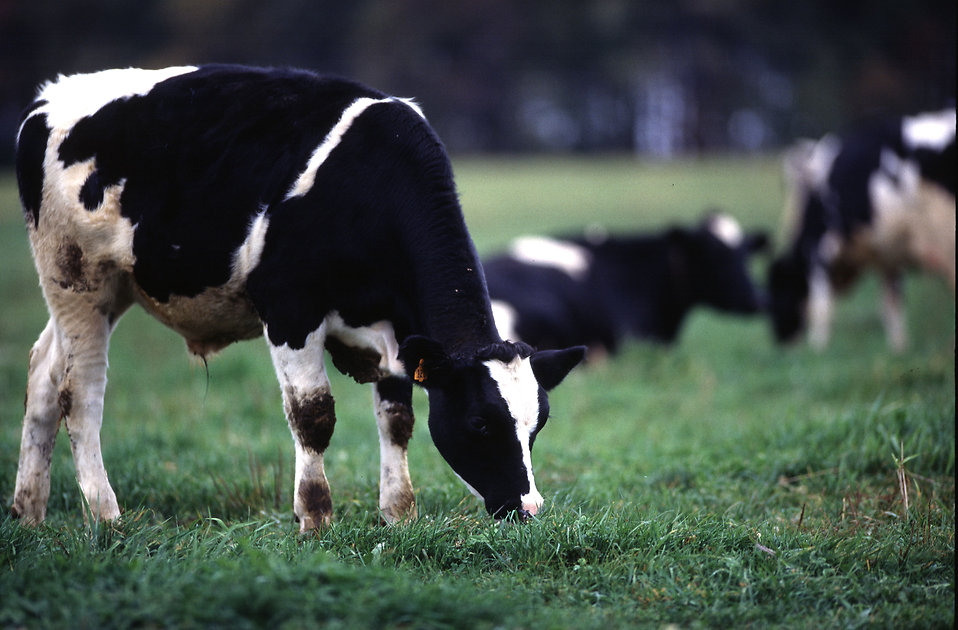
In developed communities, particularly in the US, Vegans have earned unfortunate reputations for being a little annoying. However, new scientific research suggests that they may actually have the right standpoint on the issue of meat consumption, especially for anyone who is interested in actually helping the environment. According to a recent study, going meatless is one of the best ways to save the world.
The study in question is the joint effort by Global Food Security Programme of the UK and the Seventh Framework Programme of the EU, Futurism reports. The study basically looked at what would happen if people stopped eating livestock meats and swapped them for anything else. In this case, insects were the replacements.
Without getting too lost in the idea of munching on creepy-crawlies, which have been proven to not only be nutritious but also delicious, the results of the research were pretty conclusive. Basically, if people really want to save the environment and, by extension humanity, meat consumption is going to have to drop considerably.
In the paper that the researchers published, it would seem that the meat issue isn’t the only thing at stake here, either. Since more resources come from livestock such as eggs and dairy products, drastically reducing the practice would lead to a shortage in those areas, as well.
“Animal products, i.e. meat, milk and eggs, provide an important component in global diets, but livestock dominate agricultural land use by area and are a major source of greenhouse gases,” the paper reads. “Cultural and personal associations with animal product consumption create barriers to moderating consumption, and hence reduced environmental impacts.”
This concept isn’t new, by any means. Some experts have even posited a few years ago that giving up on eating beef would have a much larger impact in the fight against climate change than giving up cars. That’s just the cows. Giving up on chickens, pork, sheep, goats, and turkey would make the effects exponentially more noticeable.







