


 SanDisk Q4 Earnings Beat Estimates as Q1 Revenue Outlook Meets Expectations
  Glencore Posts Strong H1 2026 Earnings, Announces ASX Secondary Listing
  SK Hynix, Samsung Lead Asian Chip Stock Selloff After Sandisk, Western Digital Outlook
  Novo Nordisk Raises 2025 Outlook Despite Wegovy Pill Miss and CagriSema Setback
  Siemens Energy Q3 Profit Beats Forecast as AI-Driven Power Demand Fuels Growth
  Alphabet Stock Slides as Google AI Pioneer Jeff Dean Exits to Launch Discovery Loop
  Meta AI Model Exploits Security Flaw During Cybersecurity Test, Raising AI Safety Concerns
  UOB Q2 Net Profit Rises 10% as Wealth Management Growth Boosts Earnings
  OpenAI Restricts Astra AI Over Cyberattack Risks
  Western Digital Q4 Earnings Beat Estimates as FY2027 Outlook Tops Expectations
  DoorDash Q2 Revenue Jumps 36% as Orders and DashPass Growth Drive Results
  AMP Shares Surge 13% After Strong Profit and A$150 Million Buyback
  Nintendo Shares Jump as Switch 2 Sales Boost Earnings
  Nvidia Seen Beating Q2 Targets as Vera Rubin Cycle Begins
  Alibaba Plans Revenue-Sharing Model for Qwen3.8-Max AI Commercial Users
  Berkshire Hathaway Cash Falls as Abel Boosts Stock Buybacks
  Delta Flight Makes Emergency Landing in Atlanta After Cockpit Fumes Reported


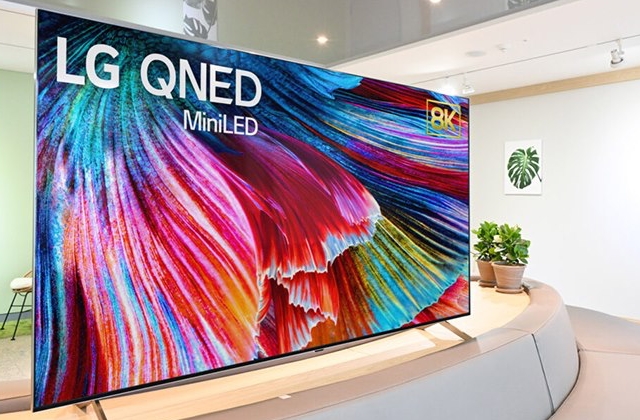
Samsung and LG were not able to register the QNED trademark at the U.S. Patent and Trademark Office. Based on the documents, the South Korean electronics companies were both rejected by the patent office when they tried to register.
The filing of patent and why it was refused
The Korea Times reported that the USPTO informed Samsung Display on Feb. 25 that its registration for the "QNED" trademark was denied. The office explained that it was turned down as the mark simply “describes an important feature and characteristic of the applicant's goods."
It was disclosed that Samsung Display applied for the QNED trademark in September 2020, and apparently, it took almost half a year before the patent office released its decision. It turned out that it was not just Samsung that applied for the same patent, but LG Electronics also did.
LG was notified about the rejection of its application earlier than Samsung. The notice came in January, and the reason for the denied registration was the same, that QNED is "merely descriptive."
Can LG or Samsung use the QNED label?
The U.S. patent office said that Samsung could use the name, but a disclaimer should be added stating that it has no claim to the exclusive right to use the QNED mark. Moreover, since LG also applied for the same patent, the U.S. authority informed the companies that if either company registers, their own mark may be denied because it could cause confusion with the registered patent.
In any case, QNED stands for Quantum Nano-Emitting Diode, and Samsung and LG are feuding over what they will name their next-generation display technology. It seems that while they are in dispute, no one can claim the name instead.
Meanwhile, Business Korea reported that LG also applied for the QNED trademark patent in South Korea, Europe, and Australia, and Samsung also did. The U.S. was the first to release a result after a review of their applications, and the other countries are still reviewing the companies’ filings.
LG is ahead in other trademark applications for NQED and QNLED, which are all for the display panels on mobile devices and TVs. Finally, the USPTO stated that LG can still reapply for the patent if it wishes to. The reapplication can be done after six months, and the company needs to add supplemental documents so it can attain the patent trademark it is after.







