


 Anthropic Eyes $6B Decart AI Acquisition Ahead of Mega IPO
  OpenAI Restricts Astra AI Over Cyberattack Risks
  Alphabet Stock Slides as Google AI Pioneer Jeff Dean Exits to Launch Discovery Loop
  Samsung, SK Hynix Shares Surge on Report of Potential Temasek Investment
  Sony, TSMC Eye $6.3 Billion Japan Chip Venture for Next-Gen Image Sensors
  OpenAI Executive Brad Lightcap to Leave for New AI Venture
  Nvidia Seen Beating Q2 Targets as Vera Rubin Cycle Begins
  Cloudflare Stock Jumps 15% as Earnings Beat Estimates, 2026 Outlook Raised
  Goldman Sachs Eyes Investors for Nvidia’s $500 Billion AI Financing Plan
  Meta Ordered to Pay $567M Over Child Safety Violations in New Mexico
  Super Micro Stock Jumps 19% as AI Server Demand Drives Strong 2027 Outlook
  Trump Media Says Truth API Draws 10+ Customers as Conflict Concerns Grow
  SanDisk Q4 Earnings Beat Estimates as Q1 Revenue Outlook Meets Expectations
  Nintendo Shares Jump as Switch 2 Sales Boost Earnings
  Lenovo Revenue Surges 43% as AI Demand Drives Record First-Quarter Growth
  Nvidia to Invest Up to $3 Billion in Blackstone-Backed Lancium


 Add as a preferred source on Google
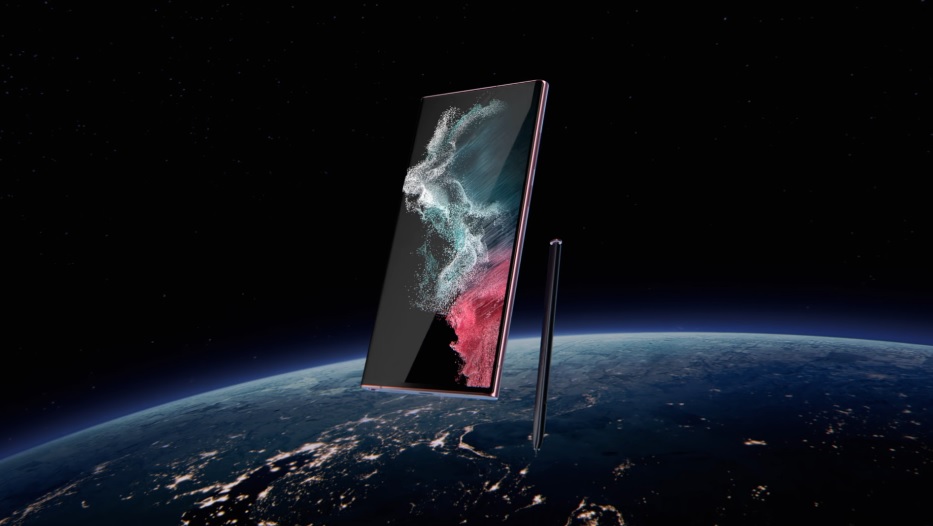
Samsung, like other OEMs of Android smartphones, has its suite of stock apps preloaded and usually used by default on its devices. But that changed with the Galaxy S22 lineup, at least with the units released in the United States, as it uses the Google Messages app as its default messaging app.
The change had been confirmed in various reports, noting that review units of Galaxy S22 shipped to the U.S. are using Google Messages as the text messaging app as soon as the devices are activated. 9To5Google even noted that the Google Messages icon is automatically placed on the home screen along with other commonly used apps.
This change does not make the Samsung Messages app obsolete, though. Reports noted that it is still preloaded on Galaxy S22 units, but users will have to go through a few steps to make it their default messaging app.
Samsung has yet to explain why it opted for Google Messages over its in-house messaging app. But many believe this change has something to do with Google Messages’ support for Rich Communication Services (RCS) protocol. Simply put, the RCS protocol is what sets apart the text messaging experience between the basic phones released in the 90s and the smartphones as people know it today.
RCS allows text messaging services to support more advanced features, such as group chats, exchange of high-quality media files, read receipts, among other functions. While the Samsung Messages app has also supported the RCS protocol for a while now, it does not have all the features available on Google Messages. The latter offers some advanced functions like automatic deletion of one-time passwords and can now read emoji reactions on texts sent from Apple’s iMessage, thanks to an update earlier this month.
Making Google Messages a default app in Galaxy S22 also appears to be a continuation of the strengthening partnership between Samsung and Google. Last year, the companies announced they were working together to develop Wear OS 3 as a merged platform between Google’s Wear OS and Samsung’s Tizen OS.







