


 Europe Jet Fuel Deficit Drives South Korean Imports to Four-Year High
  Vietnam, US Trade Deal Could Be Signed Soon, To Lam Says
  OpenAI Urges US-Led Global Standards for Frontier AI
  Westinghouse Targets $50 Billion Valuation in U.S. IPO
  Vietnam Stocks Join FTSE Emerging Market Indexes, Unlocking Billions in Foreign Investment
  Hyundai CEO Warns Chinese Automakers Could Disrupt US Market
  US Federal Register Drops Alibaba Qwen AI Search Tool
  Paramount-Warner Bros $110 Billion Deal Draws Antitrust Backlash
  Qualcomm Gains on $60B Amazon AI Chip Deal
  Big AI wants to slow down AI research. Is it a safety pause or a strategic retreat?
  fnny Beta Launches With a Simple Idea: Find an Event, Show Up, Get Rewarded
  Asia Stocks Rise on AI Demand as Oil Eases
  NASA, Boeing Discuss Expanding Starliner Missions
  LVMH-Hermès Dispute Deepens Over Secret 2002 Share Deal
  US, Japan and South Korea Back Taiwan Ahead of Trump-Xi Summit
  Wall Street Surges as Meta Leads AI Rally, Oil Prices Fall
  DOJ Will Investigate AI-Related Crimes, Attorney General Blanche Says


 Add as a preferred source on Google
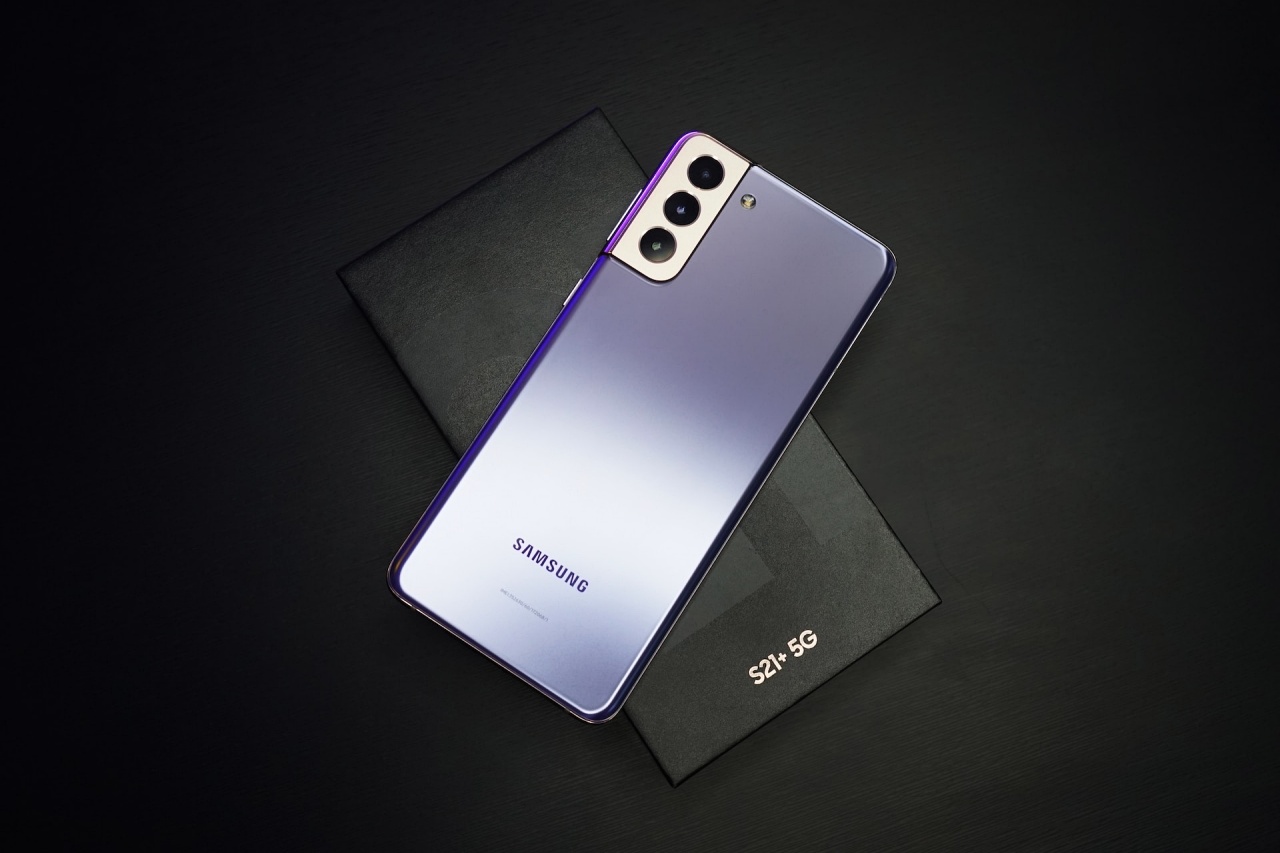
Samsung Electronics is prohibiting its employees from using any artificial intelligence (AI) tools such as ChatGPT. The ban comes as the company became very concerned after the recent incident of a data leak.
Samsung Electronics is making its own AI platforms for its own internal use in software development and other projects. However, due to the data leak that was said to be a result of misusing a chatbot, the company banned its largest business unit from using AI tools. They can no longer use ChatGPT as well.
The Korea Economic Daily reported that Samsung sent out notifications to employees at its Device eXperience (DX) division. They were told to refrain from using AI tools as internal data of the company, which is often highly confidential, could end up somewhere. This division manages the company’s mobile phone and home appliance businesses.
Part of Samsung’s memo to employees reads, “Interest in generative AI platforms such as ChatGPT has been growing internally and externally, and while this interest focuses on the usefulness and efficiency of these platforms, there are also growing concerns about security risks presented by generative AI.”
The company added, “We are reviewing security measures to create a secure environment for safely using generative AI to enhance employees' productivity and efficiency. Until these measures are prepared, we are temporarily restricting the use of generative AI.”
In the new policy imposed by Samsung, all of the executives and employees at the DX unit are not allowed to use Bing AI chatbot, ChatGPT, and Google Bard on their smartphones and desktop computers while at the workplace. They are also prohibited from typing the company’s name and other information related to their work at Samsung when using generative AI tools outside of the office.
These rules were put in place after three Samsung engineers accidentally leaked internal source code via ChatGPT. The code was uploaded to the AI tool to supposedly check technical errors.







