


 SK Hynix Q2 Profit Hits Record as AI Memory Chip Demand Fuels Growth
  TSMC Gradually Restarts Japan Chip Plant After Kumamoto Earthquake
  Anthropic Reveals Claude AI Accessed Real Production Systems During Cybersecurity Tests
  TeamViewer Shares Fall Despite Profit Growth as ARR and Customer Base Decline
  ‘Vibe coding’ is fun and easy, but there’s a major catch
  How an OpenAI safety test became a real-world cyberattack on the Hugging Face platform
  Arm Holdings Q1 Earnings Beat Estimates, Strong Q2 Outlook Fails to Lift ARM Stock
  Microsoft Stock Jumps as Azure Growth, AI Revenue Beat Expectations
  SpaceX Wins $1.6 Billion U.S. Space Force Launch Contracts for Falcon 9 Missions Through 2027
  Russia Charges Telegram Founder Pavel Durov With Facilitating Terrorism, Seeks International Arrest
  Sony Raises Full-Year Outlook After Q1 Profit Jumps 40% on Gaming and Chip Growth
  Amazon Q2 Earnings Beat Estimates as AWS AI Growth Surges, But Q3 Revenue Forecast Disappoints
  Meta Stock Drops After Earnings Miss as AI Spending and Legal Costs Weigh on Profit
  T-Mobile Executives Reportedly Oppose $300 Billion Deutsche Telekom Merger
  SpaceX Earnings Preview: Bernstein Says 4 Key Factors Will Drive Long-Term Valuation
  Trump Administration to Ban Chinese Robots, Power Inverters Over AI Security Concerns


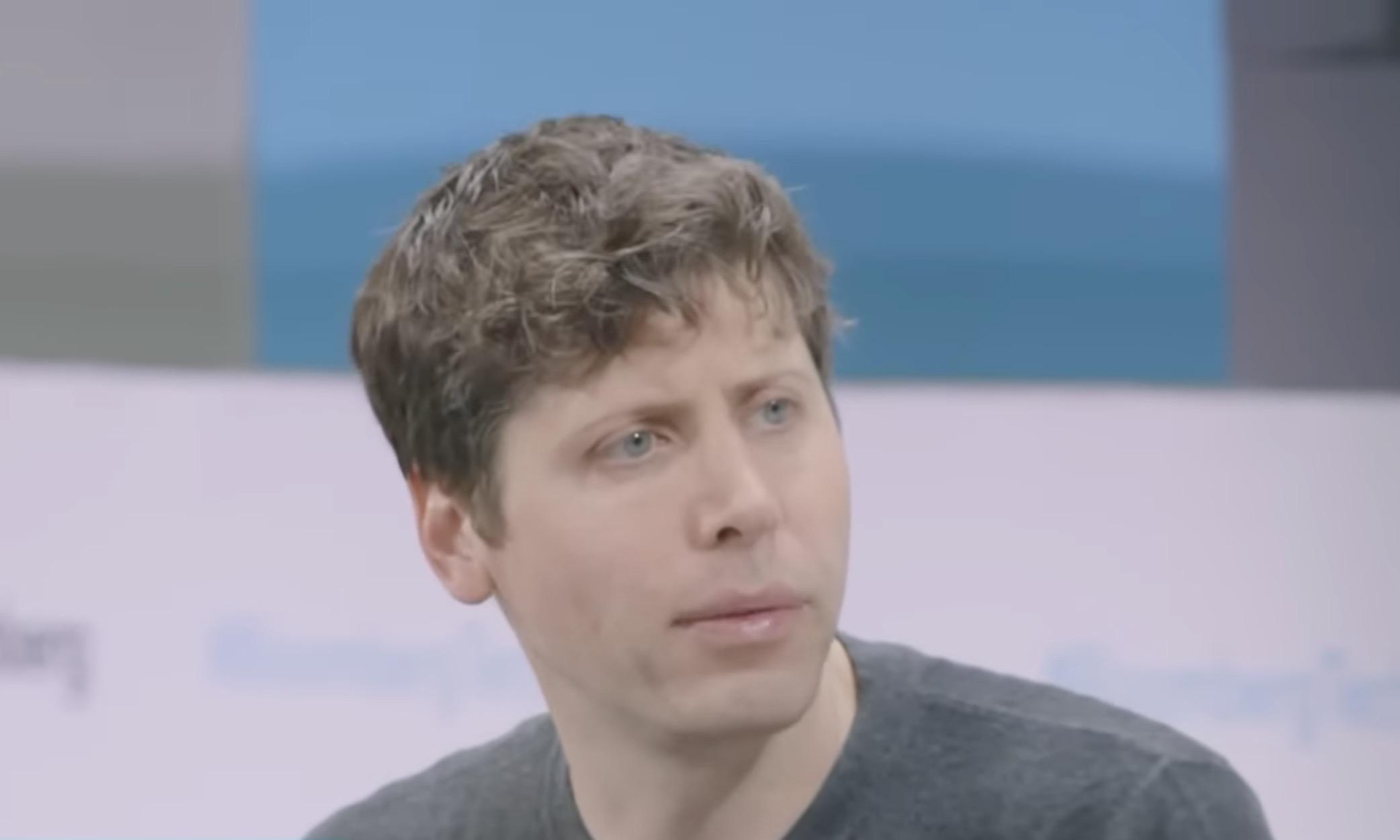
During a recent panel at the Brookings Institute, Sam Altman, CEO of OpenAI, expressed deep concerns about the rapid socioeconomic changes driven by AI technologies. Altman highlighted the potential for significant job displacement and economic disruption, urging a more serious consideration of these impacts.
Altman Highlights AI's Deep Economic Risks, Urges Attention Beyond Election Misinformation
In a recent report by Business Insider, OpenAI CEO Sam Altman was challenged about how the proliferation of AI-generated misinformation may affect elections. The tech leader appeared to be more concerned about another issue: AI's economic impact.
"The thing I'm most worried about right now is the speed and magnitude of the socioeconomic change may have and what the impacts on that will be," Altman said on May 7 during a Brookings Institute panel about AI and geopolitics.
Altman acknowledges valid concerns about AI's impact on the economy, particularly the potential for widespread job displacement. He shares these fears and stresses the need to take them seriously to avoid potential societal upheaval.
"GPT-4 didn't have this huge detectable impact on the economy, and so people were kind of like, "Oh well, we were too worried about that, and that's not a problem," Altman said on the panel, referring to the language model that powers ChatGPT. "I fear we won't take that one seriously enough going forward, and it's a massive issue."
Altman did not answer Business Insider's request for comment before publication when asked why he believes it would be an issue.
IMF and McKinsey Reports Predict Significant Job Shifts Due to AI by 2030
New research reveals how much artificial intelligence (AI) can disrupt the economy. Earlier this year, research by the International Monetary Fund showed that AI may affect around 60% of occupations in "advanced economies." The IMF wrote that roughly half of those jobs can be automated, potentially leading to fewer hiring and lower salaries. As a result, over 12 million US workers may have to change jobs by 2030, according to a second McKinsey report.
Workers are already seeing the effects of AI on their jobs. Some CEOs claim to have replaced their employees with AI chatbots, while others claim to have lost jobs due to tools such as ChatGPT.
AI does not imply doom for all workers. Those enthusiastic about AI believe that understanding how to use the technology may help employees save time and increase productivity. They can even advance up the company hierarchy and earn more money.
However, Altman expressed concern about AI's possible impact on the job sector. In an interview with CNBC last year, he admitted being "a little scared" of ChatGPT and warned that his company's invention could "eliminate" much employment.







