


 Fed Unveils Stablecoin Rules Under GENIUS Act
  South Korea Tax Windfall Could Top 50 Trillion Won on Chip Boom
  Wall Street Ends Flat as Oil, Treasury Yields and Fed Jitters Rattle Markets
  China Consumer Stocks Near Decade Lows as AI Shares Surge
  Oil Prices Jump 3% as Houthi Attack Revives Supply Fears
  U.S. Dollar Hits Two-Month High as Oil, Treasury Yields Surge
  US Comfortable With Canada Trade Standoff as Import Bans Loom
  European Stocks Fall as Bond Yields and Geopolitical Risks Weigh
  Oil Prices Fall on U.S.-Iran Hormuz Deal Hopes
  Fed Unveils Stablecoin Rules Under GENIUS Act
  US Stock Futures Fall as Treasury Yields Surge Ahead of Trump-Xi Summit
  Europe’s AI Data Centre Boom Strengthens Case for Nuclear Power
  Canadian Dollar Faces Pressure as Fed-BoC Policy Gap Widens
  China Agrees to Buy 20 Million Tons of U.S. Coal
  Soybean Futures Slip as Traders Await Trump-Xi Trade Signals
  US Stocks Face Jobs, Inflation Test as Fed Rate Hike Bets Rise
  Germany’s 2026 Growth Outlook Strengthens on Fiscal Spending


 Add as a preferred source on Google
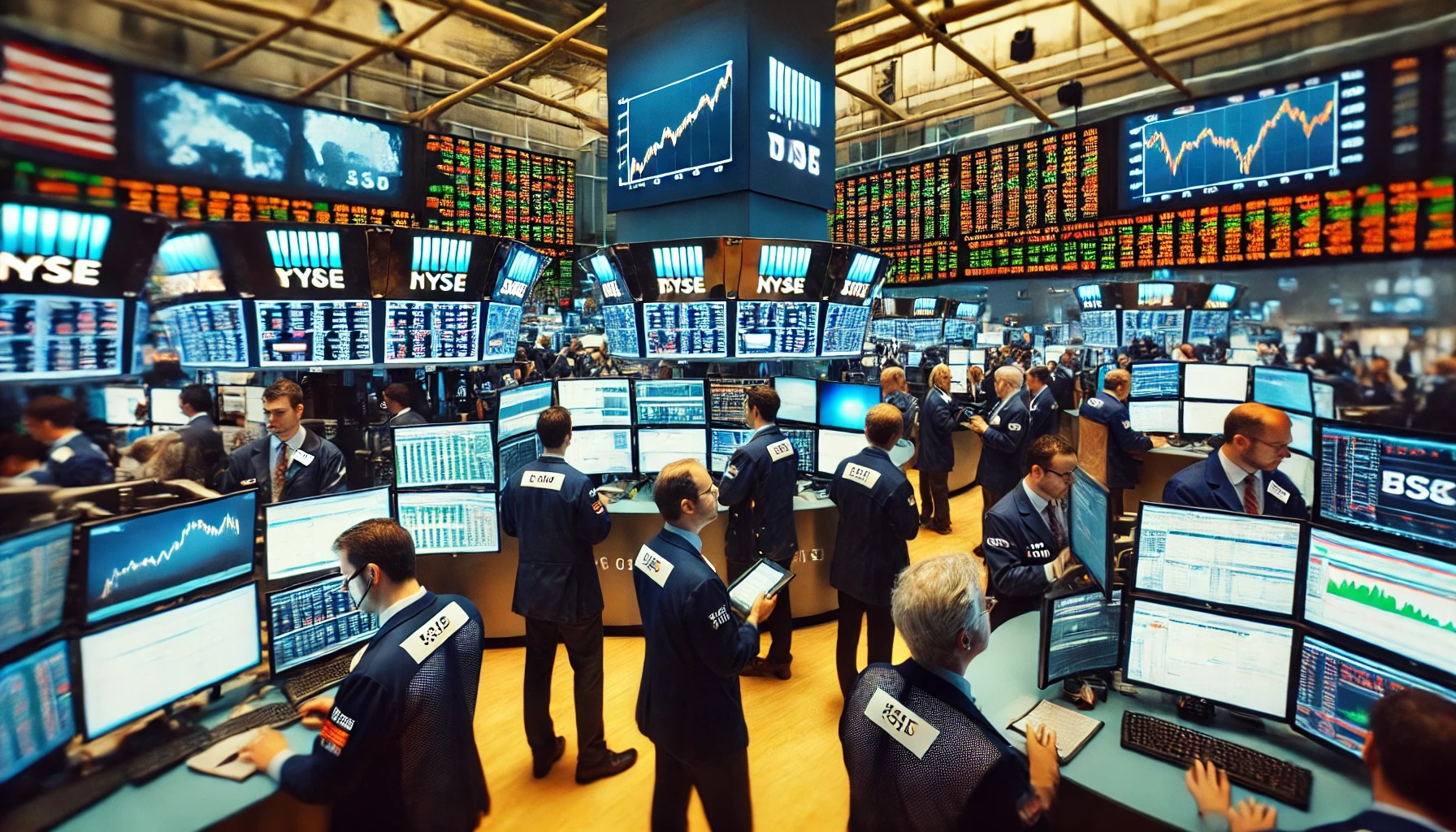
Stocks tumbled on Tuesday as investors pulled back from risk assets over concerns about the conflict in the Middle East, following clashes between Israel and Hamas and rising tensions involving Iran-backed militant groups.
By market close, the Dow Jones Industrial Average dropped 173 points, or 0.4%. The S&P 500 fell 1%, and the Nasdaq Composite slid 1.5%. The decline follows gains made by Wall Street in September and the third quarter, with the S&P 500 posting its first positive September since 2019. The S&P 500 is up over 20%, its best performance in the first nine months of a year since 1997.
Tensions in the Middle East Escalate
Tensions have escalated in the Middle East, particularly between Israel and Iran-backed groups. While there were reports of missile strikes, the exact details and the involvement of Iran in any direct attacks remain unclear. Israel has vowed to respond strongly to any aggression, raising concerns about potential conflict escalation in the oil-rich region, which could disrupt global oil supplies.
The heightened geopolitical risk led to a rise in oil prices, and defense stocks saw gains. Companies such as Lockheed Martin Corp (NYSE: LMT), Northrop Grumman Corp (NYSE: NOC), and L3Harris Technologies Inc (NYSE: LHX) traded higher amid the uncertainty.
Powell Tempers Rate Cut Expectations
Federal Reserve Chair Jerome Powell recently signaled a cautious approach to rate changes, stating the committee is not rushing to cut rates rapidly. Most analysts expect the Federal Reserve to continue monitoring economic conditions before making further adjustments. Speculation has ranged from steady rates to small, gradual cuts in the upcoming months, depending on inflation and economic data.
Goldman Sachs strategists anticipate that the rate cuts will be gradual, with the possibility of a 25 basis point cut later in the year. The Fed’s last move in monetary policy was a 25 basis point hike in July, reflecting a commitment to address inflation.
Key Economic Data Ahead
Investors are closely watching several economic reports this week. The Job Openings and Labor Turnover Survey (JOLTS) for August is expected to show around 7.6 million available roles. Additionally, the Institute for Supply Management's (ISM) purchasing managers’ indices for manufacturing and services in September will provide insight into economic momentum.
The week will conclude with the October nonfarm payrolls report on Friday, with economists expecting the U.S. economy to have added around 144,000 jobs, indicating the continued strength of the labor market.
Corporate Movements: CVS and Boeing
CVS Health (NYSE: CVS) shares dipped 2% amid reports that the company is considering restructuring options, potentially splitting its retail and insurance divisions. This comes as the company explores ways to optimize its business segments.
Meanwhile, Boeing Co (NYSE: BA) cut losses to rise 1%, following reports that the aircraft maker is considering a stock sale to raise at least $10 billion to strengthen its balance sheet and manage its financial position more effectively.







