


 Brazil Meat Exports Weather Iran War Disruptions With Rerouted Shipments
  KPMG UK Cuts 440 Audit Jobs Amid Low Attrition and Cooling Professional Services Demand
  Apple Defies China's Smartphone Slump with Strong Early 2026 Sales
  Trump White House Unveils National AI Policy Framework for Congress
  SMIC Allegedly Supplies Chipmaking Tools to Iran's Military, U.S. Officials Warn
  Unilever and Magnum Face Defamation Lawsuit Over Ben & Jerry's Board Chair Dismissal
  OpenAI's Desktop Superapp: Unifying ChatGPT, Codex, and Browser Tools for Enterprise AI
  Bank of America's $72.5M Epstein Settlement: What You Need to Know
  Chinese Universities with PLA Ties Found Purchasing Restricted U.S. AI Chips Through Super Micro Servers
  Makemation: a Nollywood movie that shows AI in action in Africa
  SpaceX IPO Filing Expected This Week as Valuation Could Surpass $75 Billion
  Golden Dome Missile Defense: Anduril and Palantir Join Forces on Trump's $185B Space Shield
  Luxury Car Sales in the Middle East Take a Hit Amid Iran War
  Jeff Bezos Eyes $100 Billion Fund to Transform Manufacturing With AI
  Innate Pharma Reports 55% Revenue Drop and €49.2M Net Loss for 2025
  Star Entertainment Secures $390M Refinancing Deal to Stabilize Operations


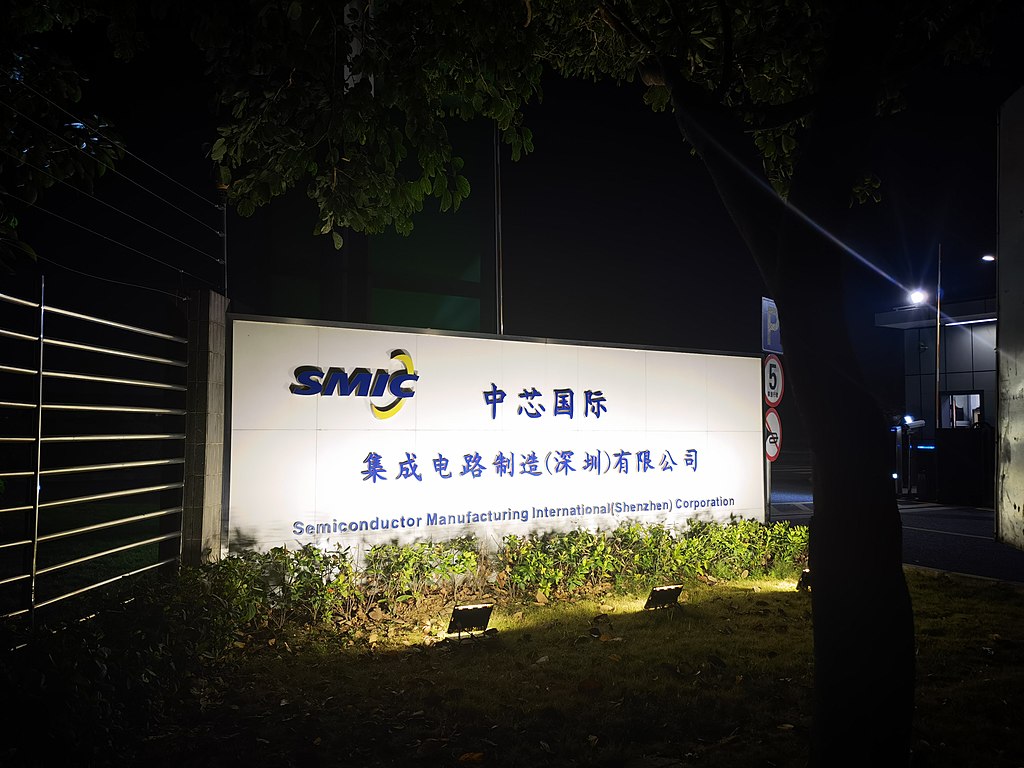
Semiconductor Manufacturing International Corporation (SMIC), China's top chip foundry, is closely watching the impact of tariffs on customer demand, according to co-CEO Zhao Haijun. Speaking during an earnings call on Friday, Zhao noted that visibility for the second quarter remains unclear, although past tariff actions have prompted a slight uptick in orders from U.S. clients.
Zhao emphasized that while U.S. import tariffs led to increased orders last quarter, the overall effect on SMIC's business was limited. The company's cautious tone comes as geopolitical tensions and trade restrictions continue to cloud the global semiconductor outlook.
In its latest financial report, SMIC projected a revenue decline of up to 6% for the second quarter. The company cited weaker market conditions and ongoing macroeconomic headwinds as contributing factors. Despite short-term uncertainty, SMIC remains focused on monitoring market developments and adjusting its strategies accordingly.
The Shanghai-based foundry, which plays a key role in China's push for semiconductor self-sufficiency, is navigating a challenging environment shaped by U.S. export controls and shifting global supply chains. SMIC has faced restrictions from the U.S. government in recent years, which have limited its access to advanced chipmaking tools.
As the chip industry grapples with slowing demand and continued geopolitical friction, SMIC's near-term outlook reflects the broader concerns facing semiconductor firms worldwide. Analysts remain cautious, noting that the sector's recovery will likely depend on stabilization in global trade policies and improved visibility across markets.
With tariff uncertainties and tech tensions persisting, SMIC's ability to adapt will be crucial as it seeks to maintain growth in a rapidly evolving semiconductor landscape.







