


 Asian Currencies Subdued as Yen Slides Ahead of Fed, BOJ Decisions
  MediaTek Unveils 2nm Dimensity 9600 Pro AI Chip
  Hormuz Vessel Traffic Drops to Single Digits
  GesiaPlatform Launches Carbon-Neutral Lifestyle App ‘Net Zero Heroes’
  Bill Gates Warns Governments Are Unprepared for AI Disruption
  Finland Raises 2026 Growth Forecast as Exports and Investment Surge
  American Airlines Eyes Capacity Cuts as High Fuel Prices Persist
  Oil Prices Surge as Houthi Attacks Raise Saudi Supply Fears
  US Stocks Rise Ahead of Fed Rate Decision
  Dollar Rises as Fed Hike Bets Weigh on Asian Currencies
  Rise of the Zombie Bugs takes readers on a jaw-dropping tour of the parasite world
  SoftBank Shares Jump 8% as SB Energy IPO Optimism Builds
  Asian Bank Stocks Slide as BofA Warning and Rising Yields Hit Sentiment
  Asian Stocks Fall as AI Fears and Oil Surge Hit Markets
  Parasites are ecological dark matter – and they need protecting
  OpenAI Agents Linked to RubyGems Cyberattack


 Add as a preferred source on Google
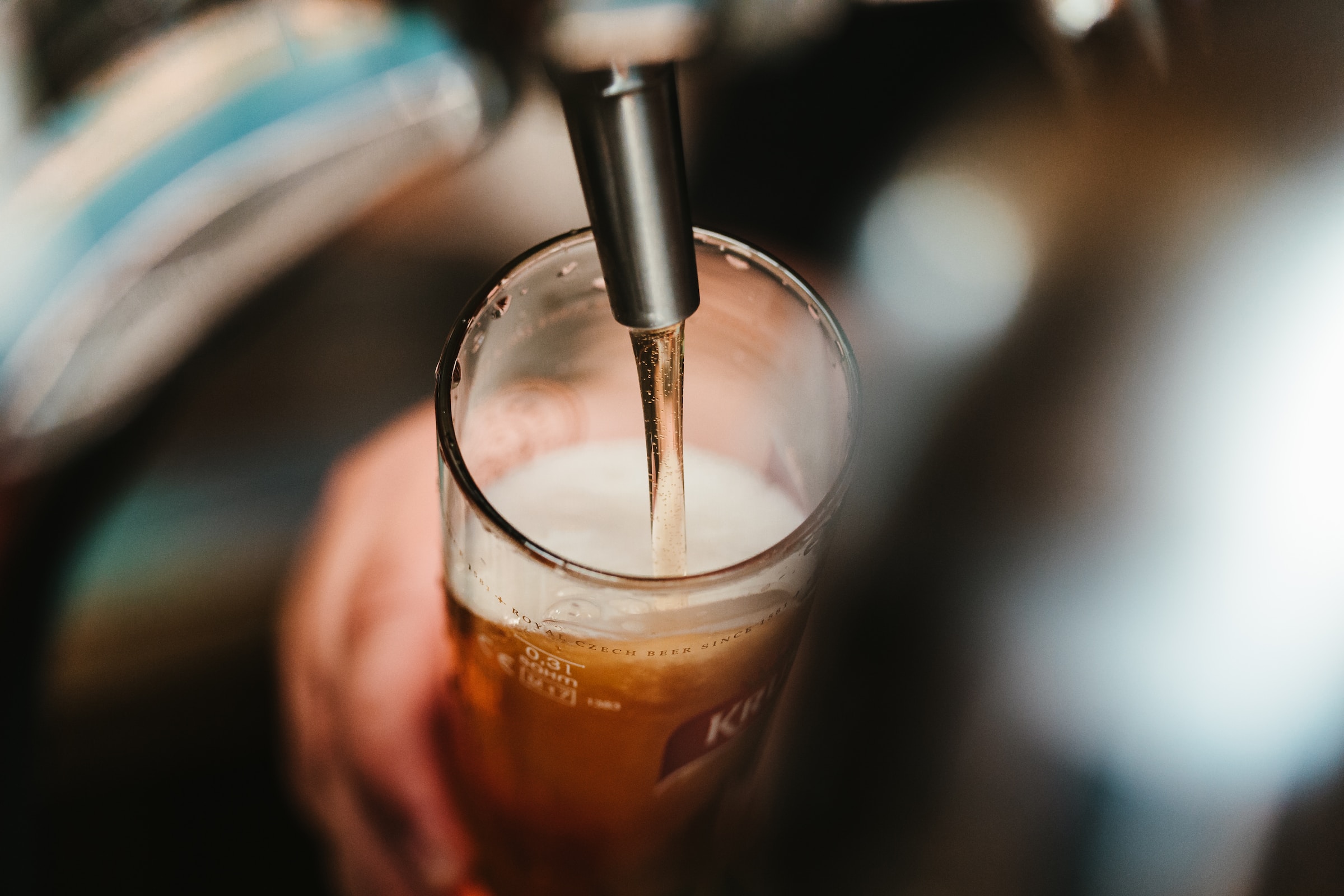
Oriental Brewery (OB) is leading the way towards sustainability by integrating solar power panels at its Gwangju production facilities, becoming the first Gwangju brewery to harness green energy for beer production.
Installing solar power panels is part of OB's commitment to its RE100 plan, which aims to transition to renewable energy sources. RE100 is a global initiative encouraging companies to convert 100 percent of their electricity consumption to renewable energy.
Completing the photovoltaic facility at the Gwangju plant marks a significant milestone for OB. It is expected to serve as a springboard for the company to achieve its goal of using 100 percent renewable energy by 2025.
OB's CEO, Ben Verhaert, expressed optimism about the transition, stating, "As a leading ESG (environmental, social, and corporate governance) company in the liquor industry, we will not only implement a renewable energy provision plan at a rapid pace but also actively respond to the climate crisis by advancing our eco-friendly management."
The solar panels installed at the Gwangju plant have a total capacity of 2.6 megawatts, producing 3.7 gigawatts of electricity annually. This equals about 11 percent of the plant's current power consumption. Using solar energy, OB estimates a yearly reduction of approximately 1,709 tons of carbon emissions in Gwangju alone.
OB plans to adopt solar panels at its two other plants in Icheon, Gyeonggi Province, and Cheongju, North Chungcheong Province, by the first quarter of 2024.
Once the installation of solar power generation facilities at OB's three plants is completed, the company expects to generate approximately 10 gigawatts per hour of solar energy annually. This amount is projected to replace 11 percent of the company's total power consumption in South Korea.
In addition to the green initiative, OB recently achieved recognition for its global quality standards. The International Taste Institute honored OB Beer's seven brands, including Cass Fresh, Hite, Cass Light, Cass 0.0, Cass White, OB Lager, and OMG. The brands collectively received 13 stars, affirming their superior taste and quality.
Photo: BENCE BOROS/Unsplash







