


 Blue Origin New Glenn Explosion Could Delay Launch Operations Until 2028
  Citigroup Expands Coinbase Partnership for Stablecoin Payments
  Why a ‘rip-off’ degree might be worth the money after all – research study
  Oil Prices Jump Nearly 3% as Iran Holds Firm on Hormuz Conditions
  FDA Adds Fatal Risk Warning to J&J and Legend Biotech’s Carvykti Cancer Therapy
  Want to cut your energy bills? Here’s how five experts are doing it
  Cogent Biosciences Soars 120% on Breakthrough Phase 3 Results for Bezuclastinib in GIST Treatment
  Toyota Global Sales Fall for Seventh Month as China Demand Slumps
  Hengrui Shares Rise on $2.6 Billion Novo Nordisk Obesity Drug Deal
  The ghost of Robodebt – Federal Court rules billions of dollars in welfare debts must be recalculated
  SpaceX Prioritizes Moon Mission Before Mars as Starship Development Accelerates
  South Korea Exports Set for 16th Monthly Gain on AI Chip Demand
  Booked to travel through the Middle East? Here’s why you shouldn’t cancel your flight
  Samsung Invests $1 Billion in KKR’s Helix AI Infrastructure
  BlackRock’s Rick Rieder Favors Bonds Over Stocks as Treasury Yields Surge
  Jared Isaacman Confirmed as NASA Administrator, Becomes 15th Leader of U.S. Space Agency
  Eli Lilly’s Inluriyo Gains FDA Approval for Advanced Breast Cancer Treatment


 Add as a preferred source on Google
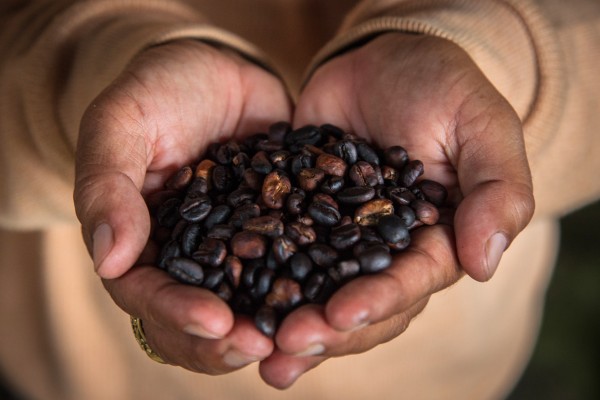
A Keimyung University research team has reproduced the taste and fragrance of civet coffee, known as “kopi luwak,” by scientifically identifying the digestion and fermentation conditions where civets live.
Consequently, civet coffee could now be mass-produced in a sanitary environment without having to harm animals.
The new civet coffee is available in three varieties, including one with a savory scent and moderate flavor, one with a distinct and fresh flavor, and one with a lot of fruit aroma. More than 40% less caffeine is present than in ordinary civet coffee.
The research team completed a patent application, trademark application, and vegan certification for the research findings, which will be published in academic journals in and outside South Korea.







