


 What’s the difference between baking powder and baking soda? It’s subtle, but significant
  SoftBank Eyes $20 Billion Bond Sale to Refinance OpenAI Loan
  Trump Administration Plans New Drug Pricing Deals With Biotech Firms
  Bathla Group Hires Administrators as Australia Housing Slump Deepens
  Stuck in a creativity slump at work? Here are some surprising ways to get your spark back
  Trump Escalates Canada Trade War With 50% Tariffs
  Tesla Raises Cybertruck Prices by $5,000 in US
  The American mass exodus to Canada amid Trump 2.0 has yet to materialize
  Shein Hong Kong IPO to Raise $1.7 Billion at $26.5 Billion Valuation
  Why a ‘rip-off’ degree might be worth the money after all – research study
  Asian Currencies Mixed as Aussie Dollar Rises on Hot Inflation
  Google promotes ‘teacher approved’ apps for kids. Here’s what parents should know
  Yes, government influences wages – but not just in the way you might think
  Every generation thinks they had it the toughest, but for Gen Z, they’re probably right
  Adidas, Puma Shares Fall as Dick’s Sporting Goods Cuts Outlook
  Oil Prices Fall as Middle East Ceasefire Hopes Rise


 Add as a preferred source on Google
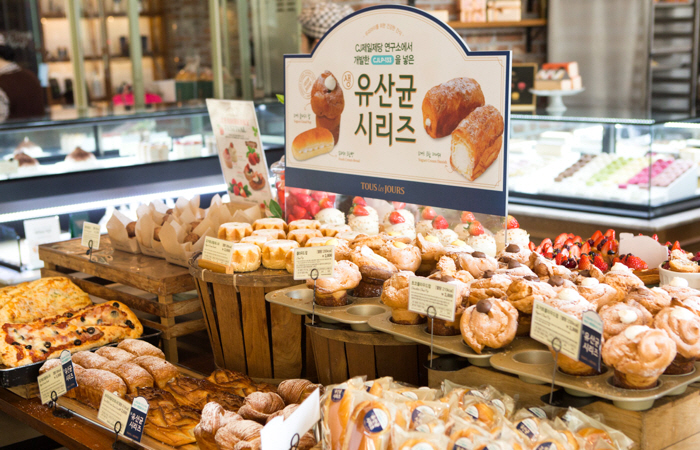
Bakeries and noodle restaurants in South Korea are struggling with the spike in the price of flour and other ingredients since last year.
Unlike large conglomerates that purchase flour in bulk before the price goes up, minimizing price fluctuation impact, many small businesses do not buy and store flour in advance and are consequently exposed to the risk.
Bae Deok-jung, a 44-year-old owner of a Chinese restaurant in Seoul, noted that they do not buy ingredients and store them in advance because of a lack of space.
The price of kalguksu or hand-rolled noodles in Seoul jumped 4.6 percent from 7,615 won in December to 7,962 won in February. From February 2021, the price has soared by 8..9 percent, according to the Korea Consumer Agency.







