


 Japan Firms Ramp Up Yen Hedging as Currency Weakness Persists
  Asian Chip Stocks Mixed After Nvidia Earnings Beat
  Dollar Rises as Hotter PCE Inflation Lifts Fed Rate Hike Bets
  Trump Escalates Canada Trade War With 50% Tariffs
  What’s the difference between baking powder and baking soda? It’s subtle, but significant
  How to support someone who is grieving: five research-backed strategies
  Tesla Raises Cybertruck Prices by $5,000 in US
  Yes, government influences wages – but not just in the way you might think
  US Stocks Finish Flat as Inflation Data, Nvidia Earnings Keep Investors Cautious
  Trian Drops Wendy’s Take-Private Bid Plans, Shares Plunge 14%
  Booked to travel through the Middle East? Here’s why you shouldn’t cancel your flight
  Gold Prices Rise Toward $4,650 Ahead of Warsh’s Jackson Hole Speech
  Want to cut your energy bills? Here’s how five experts are doing it
  Google promotes ‘teacher approved’ apps for kids. Here’s what parents should know
  Dollar Steady Ahead of Jackson Hole as Yen Holds Firm
  Salesforce Shares Surge as AI Demand Powers Q2 Earnings Beat
  Time to buy local: war fuel price shocks reveal the folly of a long food supply chain


 Add as a preferred source on Google
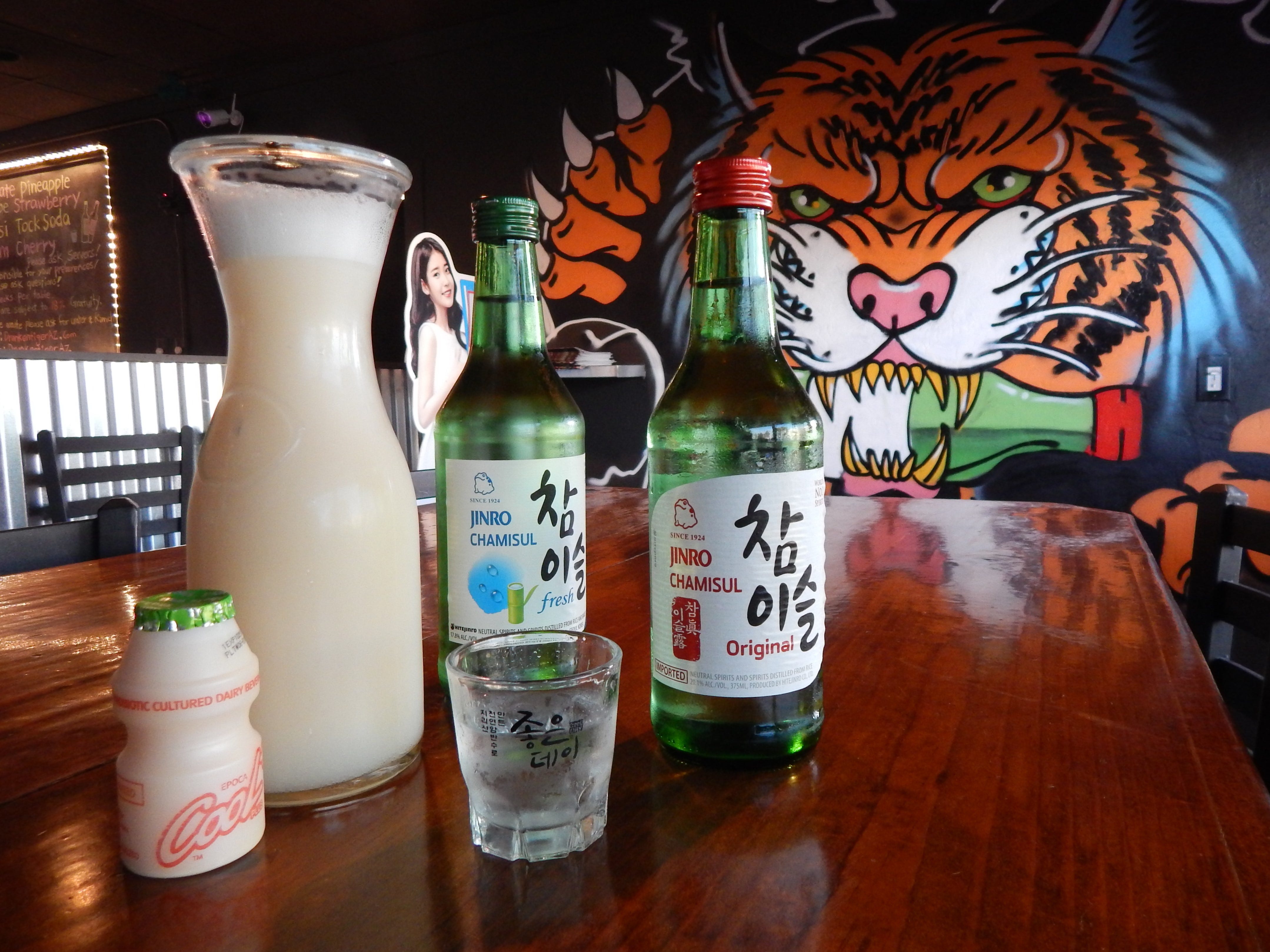
The Korea Fair Trade Commission plans to introduce a new policy next month requiring alcoholic drinks to specify the product’s calories and nutritional information.
Alcoholic drinks include soju, a Korean distilled beverage made from grain; beer; makgeolli, a traditional grain-based alcoholic drink; wine, whiskey, and many others.
It has always been pointed out that liquor products fail to provide caloric and nutritional information.
With the rising level of alcoholic drink consumption in the country, South Korean regulators found it imperative to introduce the policy.
While some beers claim to be of the ‘light’ variety in terms of calories, consumers had no way to confirm this without calorie information.
Soju had the highest caloric value per bottle among alcoholic beverages at 408 calories, followed by a bottle of rice wine with 372 calories and a can of beer with 236 calories, according to a 2019 survey conducted by the Korea Consumer Agency.







