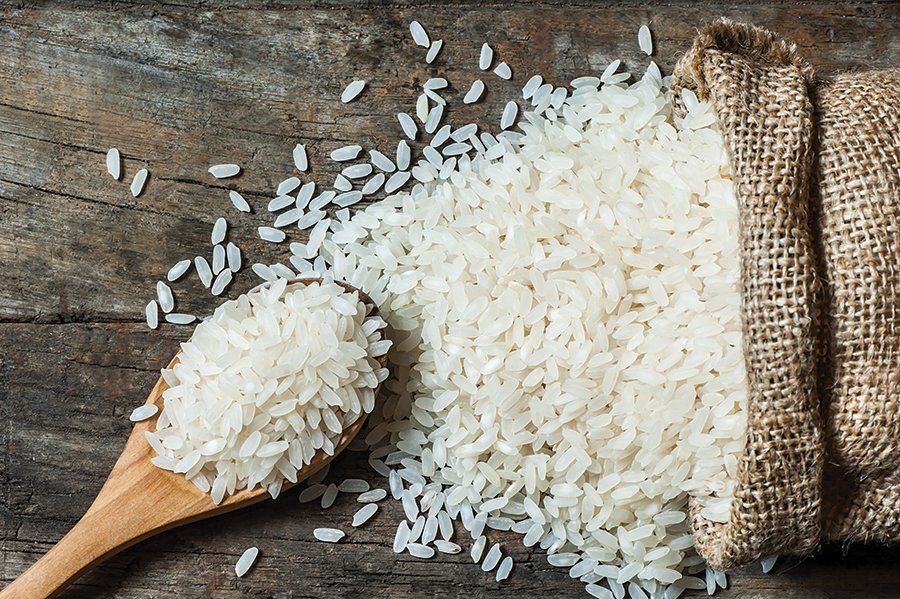
South Korea will release 80,000 tons of rice into the market this month to deal with supply shortages and stabilize prices.
The move brings the amount of reserved rice released into the market since January to 370,000 tons, reaching the total intended for the year by the Ministry of Agriculture, Food and Rural Affairs.
The plan helps cope with a potential demand spike before the Chuseok fall harvest holiday in September.
South Korea's rice consumption hit a record low in 2020, but the supply ran short as a record-long rainy season and powerful typhoons hampered production.
The country only posted a rice output of 3.51 million tons last year, 120,000 tons less than the annual national goal of 3.63 million tons.



Air Force One Delivery Delayed to 2028 as Boeing Faces Rising Costs
Samsung SDI Secures Major LFP Battery Supply Deal in the U.S.
Microsoft Unveils Massive Global AI Investments, Prioritizing India’s Rapidly Growing Digital Market
SpaceX Insider Share Sale Values Company Near $800 Billion Amid IPO Speculation
Oil Prices Edge Higher as U.S. Seizes Sanctioned Venezuelan Tanker
JD.com Pledges 22 Billion Yuan Housing Support for Couriers as China’s Instant Retail Competition Heats Up
China Adds Domestic AI Chips to Government Procurement List as U.S. Considers Easing Nvidia Export Curbs
Asian Stocks Slip as Oracle Earnings Miss Sparks AI Profitability Concerns
Trump’s Approval of AI Chip Sales to China Triggers Bipartisan National Security Concerns
Gold Prices Dip as Markets Absorb Dovish Fed Outlook; Silver Eases After Record High
CVS Health Signals Strong 2026 Profit Outlook Amid Turnaround Progress
Air Transat Reaches Tentative Agreement With Pilots, Avoids Strike and Restores Normal Operations
Asian Stocks Rally as Tech Rebounds, China Lags on Nvidia Competition Concerns
Global Forex Markets Brace for Fed Decision as Yen Extends Weakness
Apple App Store Injunction Largely Upheld as Appeals Court Rules on Epic Games Case
GameStop Misses Q3 Revenue Estimates as Digital Shift Pressures Growth
Mexico Moves to Increase Tariffs on Asian Imports to Protect Domestic Industries 


