


 Volkswagen Shares Slide After 2026 Profit Outlook Cut
  Telix to Acquire Germany’s ITM in $1.65 Billion Radiopharma Deal
  US Court Approves airBaltic Chapter 11 Restructuring
  Synthetic data could ease people’s concerns about privacy breaches. But who gets to create it?
  Petrobras Joins Brazil’s New Diesel Subsidy Program
  Cathie Wood Backs AI Slowdown as Safety Concerns Grow
  Rosenblatt Starts Nokia at Buy on AI Networking Growth
  Hyundai CEO Warns Chinese Automakers Could Disrupt US Market
  American Airlines Eyes Capacity Cuts as High Fuel Prices Persist
  Databricks to Invest $350 Million in Singapore AI Expansion
  Apple Pay Set for India Launch With Axis Bank
  France Urges Faster AI Push Despite Safety Risks
  FCC Approves Foreign Investment in $110B Paramount-Warner Bros. Deal
  White House Bars CNN, MS NOW and Politico Reporters
  AI is supercharging money scams – here’s what you can do to protect yourself
  LVMH-Hermès Dispute Deepens Over Secret 2002 Share Deal


 Add as a preferred source on Google
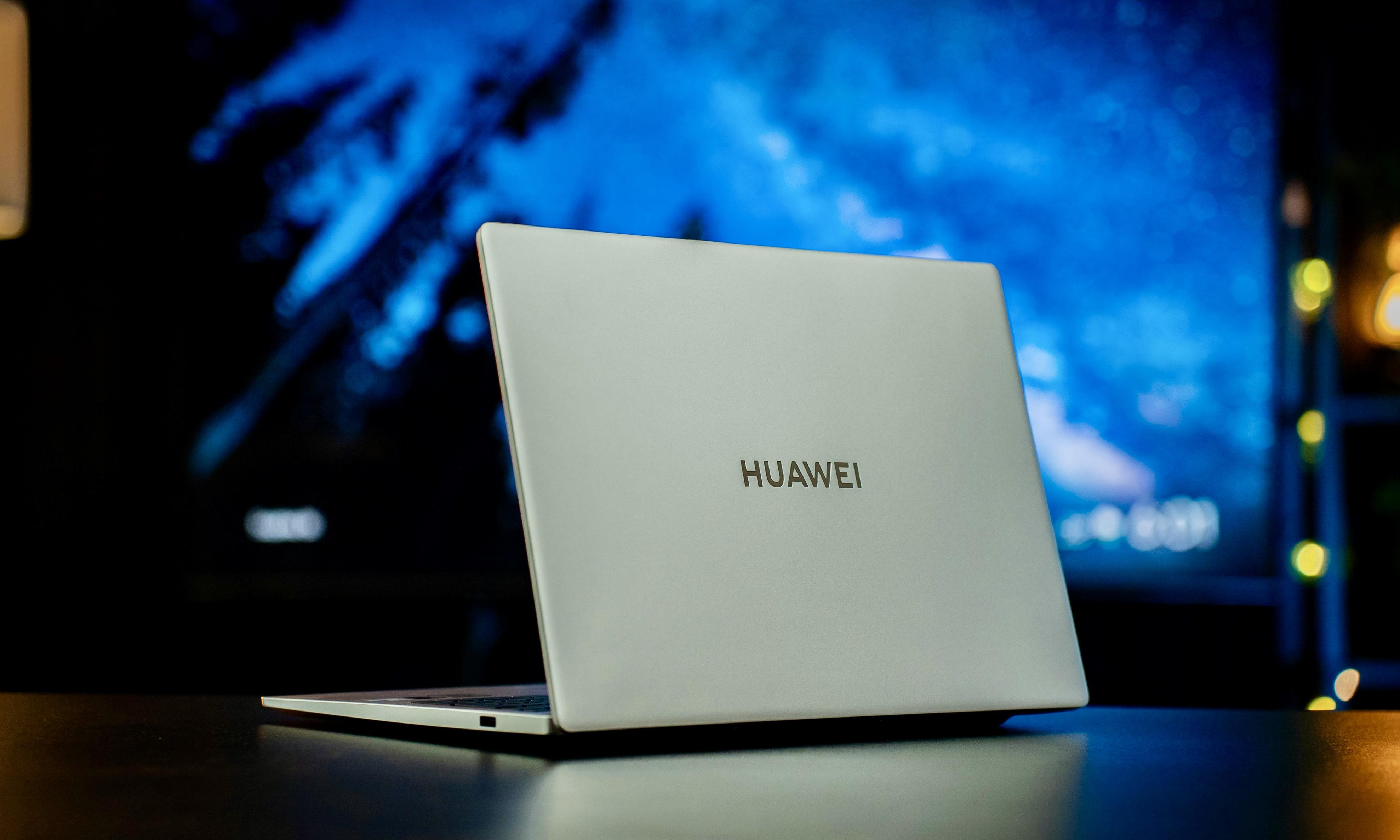
Huawei's chip development team is rumored to be working on a next-generation Kirin CPU that could give Apple's M3 a run for its money. The chip is expected to leverage the innovative Taishan V130 architecture, focusing on multi-threaded performance enhancements.
Huawei's Strategic Advancements in CPU Technology
According to @FixedFocus(via HC Newsroom), a Weibo tipper, the system-on-chip is expected to feature the company's next-generation Mailiang 920 GPU with 10 clusters, a whopping 32GB RAM, and a generous 2TB storage.
This is a significant leap in performance compared to the quad-cluster Mailiang 910 GPU used in the Kirin 9000s. This advancement promises a substantial boost in performance for the new Kirin CPU.

Rivaling Apple's M3: Huawei's Competitive Edge
This leak also suggests that Huawei aims for its upcoming HiSilicon Kirin SoC for client PCs to deliver graphics performance on par with Apple's M2 and multithread performance comparable to Apple's M3, setting high expectations for the new chip.
Huawei's next-generation HiSilicon Kirin CPU is expected to have eight general-purpose Arm cores, including four next-generation high-performance Taishan V130 cores (the Kirin 9000s employs Taishan V120 cores) and four energy-efficient cores.
The Weibo tipper did not specify the precise name of the chip other than to say that it is the "Kirin PC Chip." In any case, the leak asserts that Huawei's HiSilicon could release "Pro" and "Max" configurations of higher-performance Kirin SoCs, including a redesigned GPU, more general-purpose cores, and a more comprehensive memory interface, similar to Apple's offerings.

Huawei's Role in China's Push for Semiconductor Self-Sufficiency
Tom's Hardware shares that building more advanced Kirin CPU variants for desktops and laptops may not be wise for Huawei since the company does not hold the 8%–10% worldwide PC market share that Apple does.
Yet, Huawei's high-performance Kirin CPUs may play a significant role in displacing more expensive AMD and Intel components from PCs used by different government departments as China aims to become self-sufficient in the semiconductor industry.
Photo: Amanz/Unsplash







