


 Japan Signals Readiness to Act on Yen as Intervention Speculation Grows
  Iran Begins Oil Sale Talks With Japan Under U.S. Sanctions Waiver Amid Shipping Risks
  Asian Markets Slip as AI Earnings Season Looms, Oil Prices Fall Ahead of Key Fed Signals
  Gold Price Rises as Softer Dollar and Fed Rate Expectations Boost Bullion Demand
  Goldman Sachs Flags 3 Key Risks Ahead of Europe’s Earnings Season
  Turkey Vehicle Sales Fall 11.4% in June as Auto Market Weakens
  Russia Stocks End Flat at Three-Year Low as MOEX Index Stalls, Gold Prices Climb
  China Services PMI Beats Forecasts as Strong Demand Supports June Growth
  Kuaishou Stock Jumps as Kling AI Secures $2 Billion Funding Round
  US Resumes Dollar Shipments to Iraq After Months-Long Suspension
  Gold Price Today: Bullion Heads for First Weekly Gain as Weak U.S. Jobs Data Eases Rate Hike Fears
  Oil Prices Steady as U.S.-Iran Talks Ease Supply Fears Ahead of Holiday Weekend
  Lockheed Martin Emerges as Frontrunner to Acquire Ultra Maritime in $3.5 Billion Defense Deal
  Super Micro Employees Detained in Taiwan AI Server Export Investigation
  easyJet Agrees in Principle to £5.23 Billion Castlelake Takeover Offer
  Apple Expands iPhone Lineup, Boosts Foldable iPhone Production Plans Through 2027


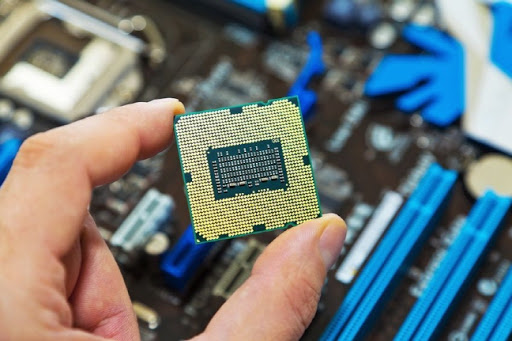
South Korea will provide tax incentives and financial support to corporate projects to develop eight key parts and materials, such as automotive chips and rare-earth permanent magnets used for electric vehicles.
The country plans to support investment in research & development (R&D) on those items over the long term.
Finance Minister Hong Nam-ki said the move will help attract private investments worth 140 billion won by 2025 and create jobs.
South Korean automakers have been forced to temporarily suspend their production lines due to the global shortage of automotive chips.
While South Korea is home to memory chip powerhouses Samsung Electronics Co. and SK hynix Inc., it has not produced less profitable auto chips.
The companies have also relatively lagged in developing non-memory chips, including system chips.







