


 Russian LNG Shadow Fleet Expands Amid Arctic LNG 2 Sanctions
  Trump to Visit China for Key U.S.-China Summit With Xi Jinping
  Saudi Aramco Q1 Profit Jumps 25% as Strait of Hormuz Crisis Reshapes Oil Exports
  Gold Prices Slip as Strong Dollar and Rising Oil Weigh on Market Sentiment
  Norway Core Inflation Hits 3.2% in April, Fueling Interest Rate Hike Expectations
  FxWirePro: Daily Commodity Tracker - 21st March, 2022
  Gold Prices Rise as Weaker Dollar and Iran Ceasefire Hopes Boost Safe-Haven Demand
  China Inflation Jumps as Iran Conflict Drives Energy Costs Higher
  Dollar Slips as Strong U.S. Jobs Data Reduces Fed Rate Cut Expectations
  US Auto Industry Urges Trump to Block Chinese EV Market Access
  Australia Budget 2026: Smaller Deficit Expected Amid Tax Reform Push
  Wall Street Hits Record High as AI Chip Stocks and Strong U.S. Jobs Data Boost Markets


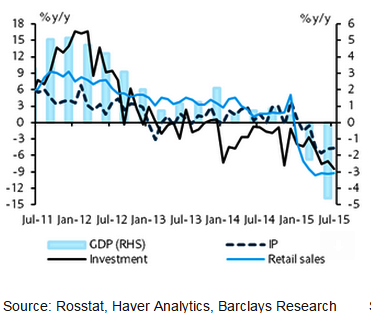
Russia growth indicators for July deteriorated further. In particular, real wages declined 9.2% y/y from an unrevised -7.2% and revised -8.6% in June and investment fell 8.5% y/y from -7.1% in June. Retail sales, industrial production and unemployment improved slightly and were moderately better than forecasts.
Moderate improvement had ben expected in all these variables, signaling a bottoming out of the recession. Instead the data point to further worsening of the recession in Q3.
"However, the rate of decline will likely moderate from the steep rate in Q2 when real GDP fell 2.5% q/q, nearly double the Q1 rate of decline. Growth is forecasted to record -4.0% in 2015 and be slightly negative in 2016 (because of base effects). However, there are downside risks to forecasts if the economy continues to deteriorate into Q4", says Barclays.
The drop in global oil prices is a factor extending the duration of to Russia's recession. In our view, imports, consumption and investment had already largely adjusted to previous declines in oil prices and the impact of sanctions.

- News

- Economy

- Central Banks
- Investing
- Research
- Roundups
- Digital Currency
- Insights
- Technical Analysis
- Technology
- Business
- Law
- Health
- Nature
- Fintech
- Science
- Topic
- Opinions
- ©Econometrics LLC . All Rights Reserved.
Russia's economic growth indicators signal extended recession
Thursday, August 20, 2015 3:43 AM UTC
Editor's Picks



- Market Data
Most Popular




