


 North Korea Warns South Korea Over US-Led Defense Role
  Xi Calls for Deeper U.S.-China AI Cooperation in Trump Talks
  France Defends Netanyahu Airspace Clearance Despite ICC Warrant
  Trump, Xi Visit US National Archives After White House Summit
  Netanyahu Takes Aim at Mamdani as Israel Election Nears
  Ghana Says Western Support Growing for Slave Trade Reparations
  What ‘Taiwan Independence’ Means as Xi Presses Trump on US Policy
  Trump, Xi Focus on Trade and AI at White House Summit
  Taiwan Thanks US for Support Ahead of Trump-Xi Summit
  Yemen Violence Displaces 130,000 as Civilian Toll Rises
  US Senate Rejects Iran War Powers Resolution in 50-49 Vote
  Kremlin Says No Decision Yet on Putin-Trump December Summit
  Najib Razak Seeks Stay of 15-Year 1MDB Prison Sentence
  Pezeshkian Says US Must Choose When Iran War Ends
  Netanyahu Defends Israel at UN as Delegates Stage Walkout
  South Korea, US Discuss Warship Building Cooperation
  US Backs Musk in Fight Against EU’s €120 Million X Fine


 Add as a preferred source on Google
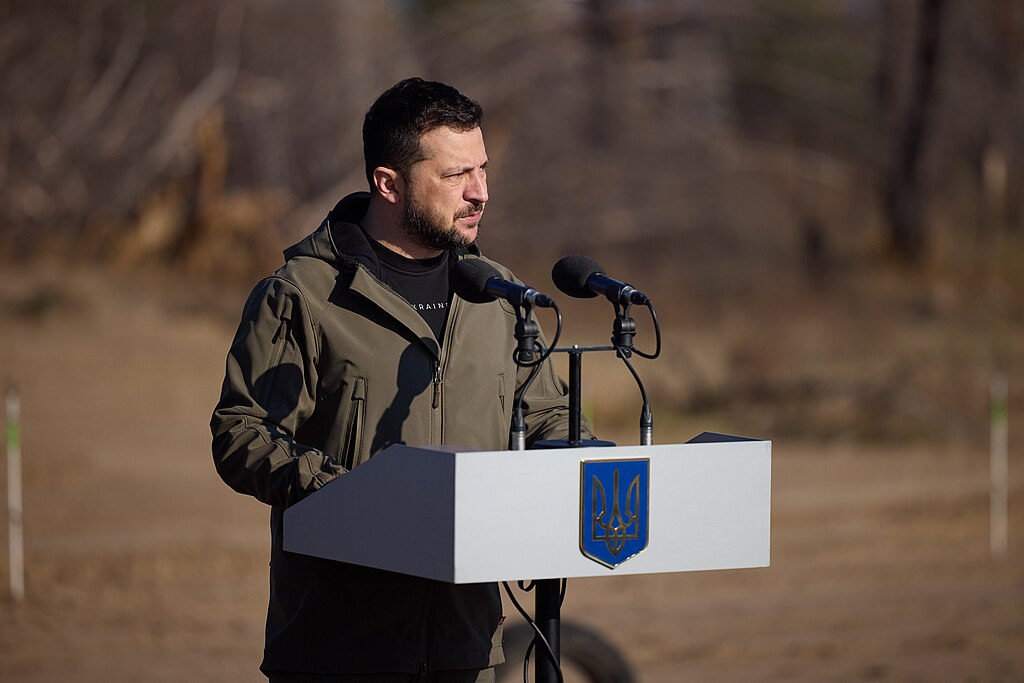
A large-scale Russian air attack has cut power to more than one million residents in Kyiv, severely damaging Ukraine’s energy infrastructure and raising alarm over nuclear safety risks. The assault, which involved hundreds of drones and missiles, struck key power substations and disrupted electricity lines connected to Ukraine’s nuclear power plants, according to Ukrainian officials and international monitors.
President Volodymyr Zelenskiy said that as of Tuesday evening, over one million households in Kyiv remained without electricity, while more than 4,000 apartment buildings were left without heating amid freezing winter temperatures. Overnight lows fell to minus 13 degrees Celsius, intensifying the humanitarian impact. Authorities deployed dozens of repair teams and opened more than 1,400 emergency warming stations to help residents cope with the outages.
The United Nations’ nuclear watchdog confirmed that several substations critical to nuclear safety were affected, and power connections to some atomic plants were disrupted. Ukraine relies on nuclear energy for well over half of its electricity. The Chornobyl nuclear plant temporarily lost all off-site power before being reconnected later in the day, underscoring the risks posed by continued attacks on the grid.
The strikes killed at least four people, including three in the southeastern city of Zaporizhzhia and one in the Kyiv region. Other regions across northern, eastern, and southern Ukraine also reported extensive power outages, with officials in Chernihiv saying nearly 87% of residents were without electricity.
Ukraine’s grid operator said the attacks targeted both power generation and distribution facilities, further weakening an energy system already battered by months of bombardment. Economy officials estimate that Russia has damaged around 8.5 gigawatts of generating capacity since late October.
The attacks came shortly after renewed U.S.-backed peace talks, though Kyiv says Moscow shows little willingness to halt the fighting. Zelenskiy urged stronger U.S. pressure and tougher sanctions, warning that Russia is using the threat of nuclear disaster as a tool of coercion while escalating its winter campaign against Ukraine’s power grid.







