


 Kremlin Says No Grounds Yet for Ukraine Peace Talks
  Gaza Faces Evacuation Crisis as War-Damaged Buildings Risk Collapse
  Russian Strikes Kill Eight Across Ukraine as Energy Sites Hit
  South Korea, US Discuss Warship Building Cooperation
  Trump Meets Venezuela’s Delcy Rodriguez at UN Assembly
  Netanyahu Takes Aim at Mamdani as Israel Election Nears
  Zelenskiy Warns Russia Preparing Major Attack on Ukraine
  Iran Vows ‘Crushing’ Response as US Talks Continue
  US, China Extend Trade Truce to Jan. 10 Ahead of Trump-Xi Summit
  Judge Orders Trump to Restore White House Access for CNN, MS NOW and Politico
  Sudan Rejects US Legitimacy Remarks, Defends Sovereignty
  China Tightens Fentanyl Rules Ahead of Trump-Xi Summit
  Marco Rubio to Meet Russia’s Lavrov in New York
  Trump Says ‘Freedom’ Is Coming to Cuba
  Trump to Press Xi on Release of US Nuclear Expert Held in China
  Lula and Flavio Bolsonaro Tied in Brazil Runoff Poll
  Europe Warns Russia Is Escalating Hybrid Attacks Across NATO


 Add as a preferred source on Google
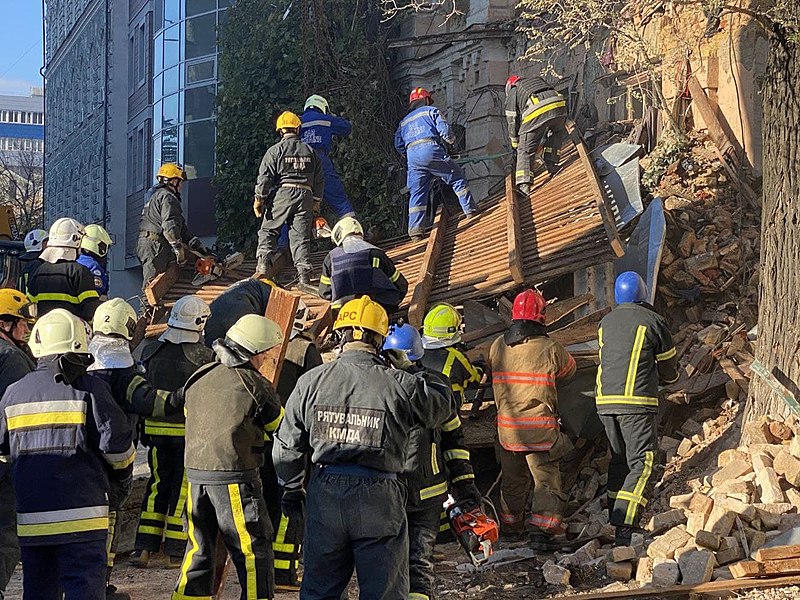
Russia has warned the United Nations against inspecting the “kamikaze” drones that Moscow used during its recent strikes across Ukraine. The warning comes amidst accusations that Iran was supplying such drones to help Russia in its war.
The United States, France, and the United Kingdom called for a closed-door meeting for the United Nations Security Council to discuss Russia’s drone attacks on Ukraine’s capital Kyiv on Monday that killed around five people at the time while damaging critical infrastructure.
This also comes as Ukraine alleged that it shot down over 220 Iranian drones, also known as unmanned aerial vehicles, in more than a month and called on UN Secretary-General Antonio Guterres to visit Ukraine and inspect the wreckage.
Russia’s deputy ambassador to the UN, Dmitry Polyanskiy, insisted that the drones were made in Russia and criticized Ukraine’s “baseless accusations and conspiracy theories.” Polyanskiy also called on Guterres and his staff to refrain from “engaging in any illegitimate investigation. Otherwise, we will have to reassess our collaboration with them, which is hardly in anyone’s interests.”
Both Washington and the European Union have said they have evidence that Iran supplied Russia with Shahed-136 drones, which explode upon landing. The US said that any arms transfer was a violation of UN Security Council Resolution 2231, which is part of the 2015 nuclear deal between Iran and other world powers.
Tehran denies supplying drones to Russia and said earlier this week that it was prepared to engage in discussions with Kyiv to clear up the allegations following Ukrainian foreign minister Dmytro Kuleba’s move to cut diplomatic ties with Iran.
Despite Iran’s denial of supplying drones to Russia, Washington has accused Tehran of being “directly engaged on the ground” in the Russian-annexed Crimea, helping train Russian forces on the said drones.
“Tehran is now directly engaged on the ground and through the provision of weapons that are impacting civilians and civilian infrastructure in Ukraine,” said US National Security Council spokesman John Kirby, noting that a “relatively small number” of Iranian personnel were in the annexed peninsula.
“The United States is going to pursue all means to expose, deter, and confront Iran’s provision of these munitions against the Ukrainian people,” said Kirby.







