


 Fungi are among the planet’s most important organisms — yet they continue to be overlooked in conservation strategies
  Trump Signs Executive Order Threatening 25% Tariffs on Countries Trading With Iran
  Extreme heat, flooding, wildfires – Colorado’s formerly incarcerated people on the hazards they faced behind bars
  Wildfires ignite infection risks, by weakening the body’s immune defences and spreading bugs in smoke
  South Korea’s Weak Won Struggles as Retail Investors Pour Money Into U.S. Stocks
  Dollar Steadies Ahead of ECB and BoE Decisions as Markets Turn Risk-Off
  Drug pollution in water is making salmon take more risks – new research
  U.S. Stock Futures Slide as Tech Rout Deepens on Amazon Capex Shock
  We combed through old botanical surveys to track how plants on Australia’s islands are changing
  As the Black Summer megafires neared, people rallied to save wildlife and domestic animals. But it came at a real cost
  Burkina Faso and Mali’s fabulous flora: new plant life record released
  GesiaPlatform Launches Carbon-Neutral Lifestyle App ‘Net Zero Heroes’
  Rise of the Zombie Bugs takes readers on a jaw-dropping tour of the parasite world


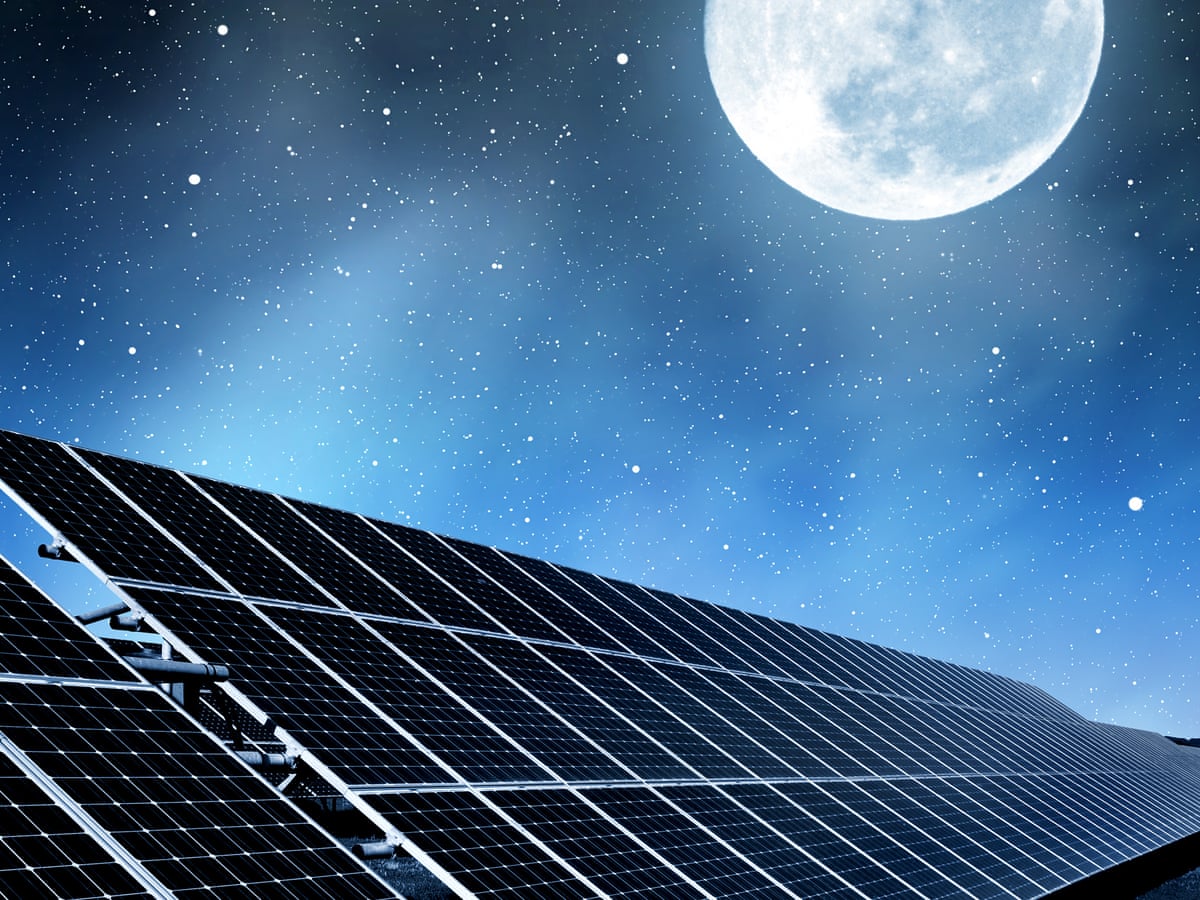
South Korea’s cumulative solar power capacity surged with the newly installed 13,980 MW solar power capacity that started when President Moon Jae-in took office in 2017.
Consequently, solar power more than quadrupled from 4,502 megawatts (MW) in 2016 to 18,158 MW in September.
South Korea's solar power installation was at 4,489 MW from 2007 to 2016.
Along with the solar power capacity increase, the tonnage of waste panels rose to 279.4 last year from 245.6 in 2019 and 17.6 in 2018.
The Korea Institute for Industrial Economics and Trade expects the weight of waste panels generated nationwide to increase to 1,868 tons in 2030 and 85,220 tons in 2040.
Meanwhile, the Korea Environment Institute forecast the country's amount of waste panels to jump to 20,935 tons in 2030 and 112,564 tons in 2040.













