


 AstraZeneca Q2 Earnings Beat Forecasts as Oncology Growth Supports 2026 Outlook
  FDA Weighs Safety Standards for Psychedelic Therapies
  Trump Signs Order to Cut Routine Childhood Vaccines
  US-Backed Pediatric HIV Treatment Drops After Foreign Aid Changes, Study Finds
  Hanmi Pharm Soars 30% on $2.3 Billion Genentech Obesity Drug Deal
  GLP-1 Weight-Loss Drug Use Surges Among U.S. Children
  Novartis Shares Plunge After Muscle Drug Fails Phase III Trial
  Moderna Short Sellers Hit With $4.8 Billion Loss as Stock Soars
  Novo Nordisk Eyes Turnaround as Oral Wegovy Challenges Eli Lilly in Weight-Loss Drug Race
  France Keeps Top Health Alert as Officials Brace for Another Heatwave
  GSK Unveils $2.52 Billion Cost-Cutting Plan to Accelerate Drug Pipeline
  New Mexico Measles Outbreak Cost Reached $5.4 Million, Study Finds
  U.S. Issues Cuba Health Alert as Illnesses Rise
  Moderna Wins FDA Approval for mFLUSIVA mRNA Flu Vaccine for Adults 50+
  Hims & Hers Shares Fall as GLP-1 Costs Widen Q2 Loss


 Add as a preferred source on Google
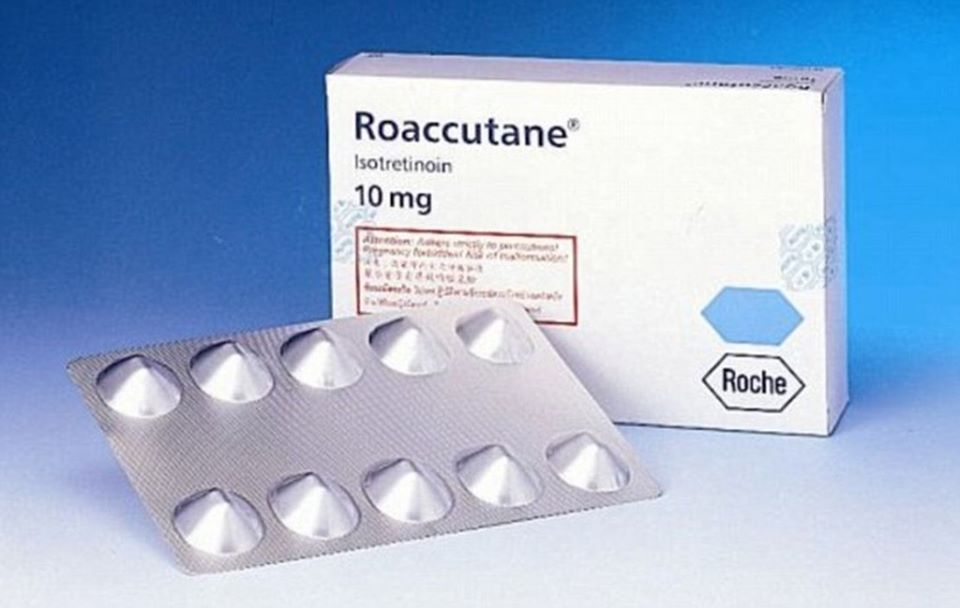
The link between Roaccutane, a brand name of the anti-acne drug isotretinoin, and depression is now under close scrutiny after 10 cases of suicide by people taking the drug were reported in 2019. Some of the families left behind by the suicide victims have already blamed the drug over the years as the culprit behind the deaths of their loved ones.
Based on data from the Medicines and Healthcare Products Regulatory Agency (MHRA), 12 deaths linked to the use of Roaccutane have already been reported for 2019. Among the 12 fatalities, 10 of the victims died by committing suicide, according to The Guardian.
The number of deaths reportedly related to the use of isotretinoin in 2019 is alarming since only five fatalities were reported in 2018. This year’s number of fatalities is the highest on record since the agency began collecting data in 1983.
MHRA data also revealed that aside from the 12 deaths, there were other incidents reported, which are broken down into 19 non-serious cases and 85 serious incidents. There have already been 88 reported deaths since the agency began collecting data.
Around 30,000 people in the UK use Roaccutane each year. Meanwhile, prescriptions for isotretinoin rose from 34,283 in 2008 to 69,040 in 2018 based on NHS Digital data.
Studies have not yet found a clear or direct link to the drug’s usage “with increased risk of psychiatric disorders and suicide.” However, the drug’s 1998 patient information leaflet warned of depression and other psychiatric side-effects.
“Some people have had thoughts about hurting themselves or ending their own lives (suicidal thoughts), have tried to end their own lives (attempted suicide), or have ended their lives (suicide),” the warning stated. “These people may not appear to be depressed.”
“We were never told that these random suicide impulses can come out of the blue and be overwhelming,” said Helen Wright, the mother of 15-year-old Annable Wright who took her own life this year. The victim’s parents are blaming Roaccutane for the tragedy, Channel 4 reported.
The parents of Luke Reeves, who died in 2017, are also blaming the drug for their son’s death. His father, Robert Reeves, revealed during the hearing at Essex coroner’s court that his son’s personality completely changed since he started the acne medication.
The drug’s manufacturer Roche said that “like most medications, it can have side-effects.” The company recommended that patients need to be carefully monitored especially those who have previous history of depression.
Meanwhile, the issue of safety regarding the use of isotretinoin is under continuous review across Europe. The Isotretinoin Expert Working Group has been reconvened and to asses available data regarding the risk of suicide. Depending on its assessment, further regulatory action might be resorted to.







