


 Samsung Electronics Eyes Record Q1 Profit Amid AI-Driven Chip Boom
  TSMC Japan's Second Fab to Produce 3nm Chips by 2028
  Australia's Social Media Ban for Under-16s Sparks Global Movement
  Elon Musk Ties SpaceX IPO Access to Mandatory Grok AI Subscriptions
  Chinese Universities with PLA Ties Found Purchasing Restricted U.S. AI Chips Through Super Micro Servers
  NASA Artemis II: First Crewed Moon Mission Since Apollo Takes Four Astronauts on 10-Day Lunar Journey
  SMIC Allegedly Supplies Chipmaking Tools to Iran's Military, U.S. Officials Warn
  MATCH Act Targets ASML and Chinese Chipmakers in New U.S. Export Crackdown
  Cybersecurity Stocks Tumble After Anthropic's Claude Mythos AI Leak Sparks Market Fears
  Rubio Directs U.S. Diplomats to Use X and Military Psyops to Counter Foreign Propaganda
  Apple's Foldable iPhone Faces Engineering Setbacks, Mass Production Timeline at Risk
  NASA's Artemis II Mission: First Crewed Lunar Journey Since Apollo
  Microsoft Eyes $7B Texas Energy Deal to Power AI Data Centers
  Federal Judge Blocks Pentagon's Blacklisting of AI Company Anthropic
  Nanya Technology Shares Surge 10% After $2.5 Billion Private Placement from Sandisk and Cisco
  Apple Turns 50: From Garage Startup to AI Crossroads


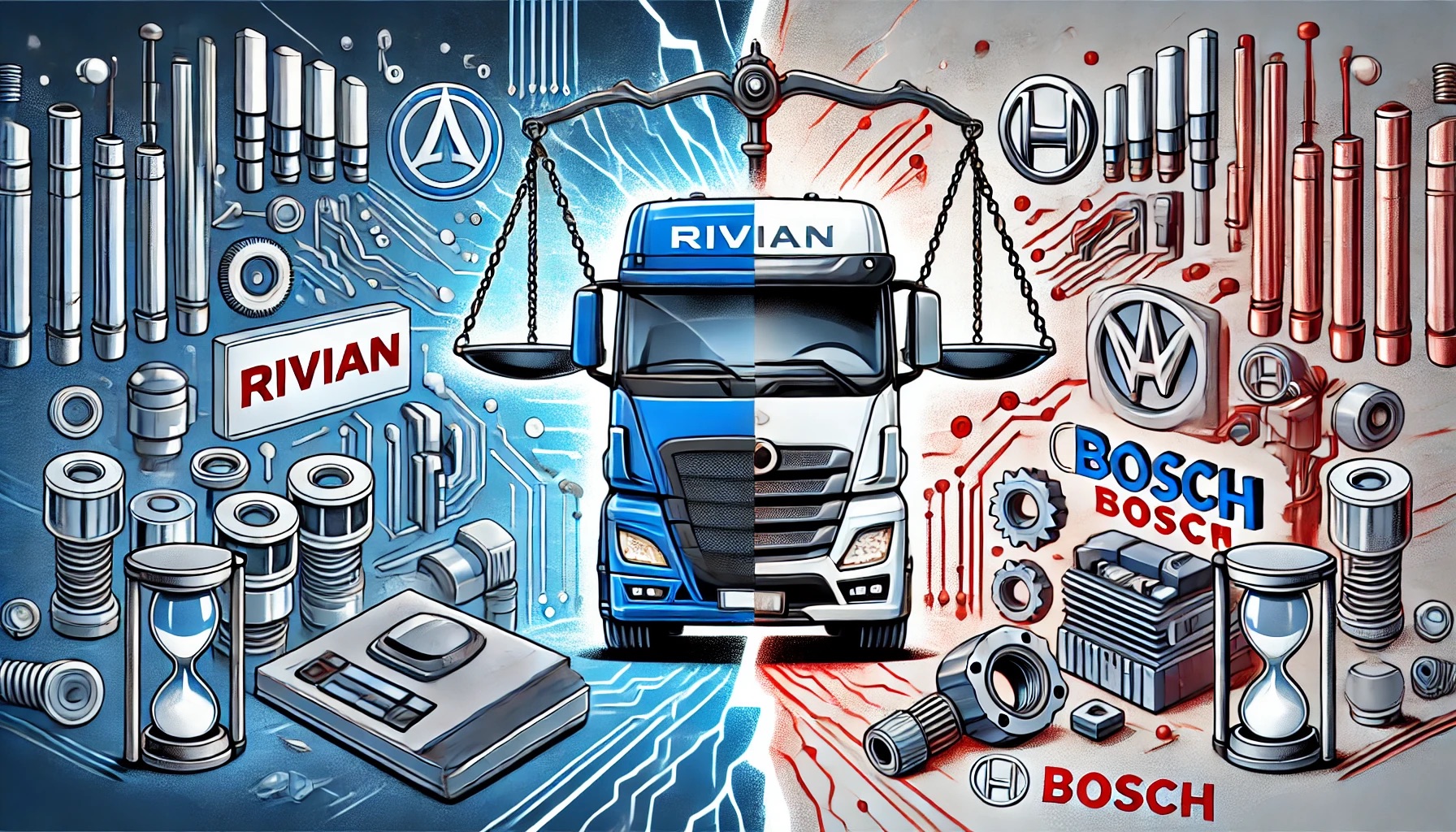
Rivian is facing a $204 million lawsuit from Bosch after terminating a supply agreement for electric motors. Bosch alleges that Rivian breached the contract by failing to reimburse the company for canceled production, following Rivian's decision to bring motor manufacturing in-house.
Bosch and Rivian Engage in Legal Battle Over Contract Breach, Citing Production Shortfalls and Losses
Rivian is currently being sued by one of its former suppliers. The supplier alleges that the electric vehicle (EV) manufacturer neglected to fulfill a reimbursement clause for cancellations in a contract for electric motors, per Teslarati.
Last year, Rivian decided to manufacture its electric vehicle motors in-house, thereby terminating a supply agreement with Bosch. The company claimed that Bosch had "reckless failures" in supplying the necessary quantity of motors. Bosch is currently asserting that Rivian declined to reimburse the company for the canceled plans, resulting in a substantial revenue gap and stranded.
In July, Bosch filed a lawsuit against Rivian for breaching the contract. Subsequently, the automaker initiated its litigation against the supplier. Rivian blamed Bosch for production shortages in its countersuit, claiming that the company's failure to fulfill the electric motors contract had led to a 30,000-unit decrease in planned production output.
Bosch invested millions of dollars in the tooling of a factory in Germany as part of the partnership, where it initially produced the e-motors for Rivian. Additionally, the organization constructed a 30,000-square-foot production line at its South Carolina facility to facilitate the production of the units.
“Given these significant investments and that Rivian was an electric vehicle startup that had never manufactured vehicles before, Rivian contracted to reimburse Bosch for all its unamortized costs should Rivian cancel the program early,” Bosch said in the lawsuit.
Bosch Accuses Rivian of Secretly Shifting to In-House Motors Amid Semiconductor Shortages and Legal Dispute
Bosch was initially contracted to manufacture 200,000 motors for Rivian this year; however, the automaker terminated the agreement in September of last year. Bosch alleges in the lawsuit that Rivian had "secretly" intended to supplant the supply with its own Enduro e-motor system, despite having informed Bosch that the two would be used in conjunction.
The company also asserts that Rivian's production challenges have been precipitated by semiconductor shortages rather than its e-motors.
“While Rivian’s choice to cut costs and develop a new product may be understandable, Rivian cannot simply ignore its contractual duties to reimburse Bosch,” the company adds.
In a statement to Automotive News correspondents at Crain's Detroit Business, Bosch and Rivian both declined to provide any commentary on the legal endeavors.
Rivian has encountered production challenges with the motors independently despite the canceled order. The company recently reduced its production guidance by 8,000 to 10,000 units to achieve a range of 47,000 to 49,000 units this year. The automaker attributed the difficulties in producing its R1 and van units to an escalating parts shortage.
In August, Rivian referenced a comparable materials shortage that necessitated the suspension of van production. It is still being determined whether the two shortages are connected, as Rivian failed to respond to Teslarati's comments or disclose the components experiencing supply issues in either instance.







