


 Eli Lilly Eyes AtaiBeckley Acquisition to Expand Psychedelic Mental Health Pipeline
  Dollar Holds Near Two-Month High as Yen Approaches 160
  Select Water Solutions Shares Surge on $700 Million Pilot Water Deal
  Venezuela Earthquake Health Risks Rise as Disease Monitoring Intensifies
  China’s ‘Lipstick King’ Says AI Won’t Replace Livestream Hosts
  U.S. Issues Cuba Health Alert as Illnesses Rise
  Akamai Shares Surge on $11.6B Anthropic AI Cloud Deal
  SMBC Eyes 20% VPBank Stake in Vietnam Expansion
  EQT Plans €1.7 Billion Sale of Parques Reunidos Stake
  Fed Unveils Stablecoin Rules Under GENIUS Act
  Novo Nordisk Strikes €1.17 Billion Nanexa Drug Delivery Deal
  Moderna Short Sellers Hit With $4.8 Billion Loss as Stock Soars
  GLP-1 Weight-Loss Drug Use Surges Among U.S. Children
  AstraZeneca Halts Phase III Volrustomig Lung Cancer Trial After Efficacy Setback
  Japanese Yen Rebounds as Trump Flags Currency Weakness
  Fed Unveils Stablecoin Rules Under GENIUS Act
  Mexico-US Trade Talks Delayed to October as Tariff Negotiations Continue


 Add as a preferred source on Google
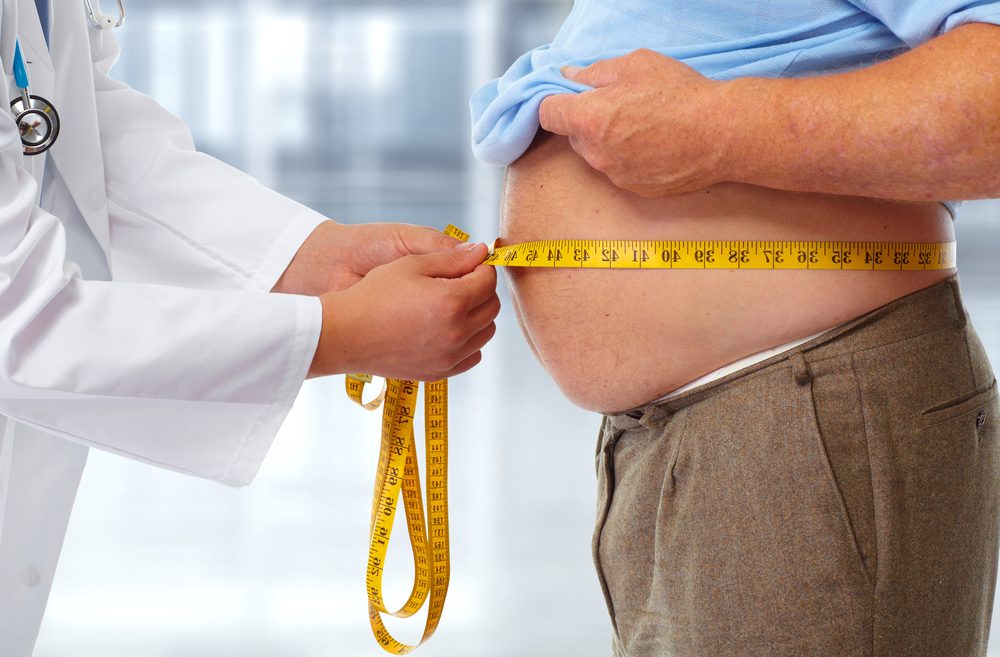
Rising levels of obesity are set to cost the world economy 3.3 percent of GDP by 2060, slowing development in lower-income countries, according to a study published in BMJ Global Health.
The conditions currently cost 2.2 percent of global GDP, and the biggest increases are expected in lower-resourced countries.
In terms of absolute costs, China, the US, and India are expected to bear the brunt of the damage, with costs of $10 trillion, $2.5 trillion, and $850 billion, respectively.
The worst affected nations are anticipated to be Trinidad and Tobago with 10.2 percent of GDP and the United Arab Emirates with 11.0% of GDP being accounted for by obesity.
Both direct costs, namely medical expenses, and indirect costs from early mortality and lost output were examined in the report.
The study offers the first estimate of the economic effects of obesity, a major contributor to other non-communicable diseases like cancer, diabetes, and heart disorders, on a country-by-country basis.
According to lead author Rachel Nugent at a briefing on the margins of the UN General Assembly, nearly two in three adults globally are now living with obesity and project there would be three in four adults by 2060.







