


 Trump Asks Supreme Court to Restore Third-Country Deportations
  NATO Boosts Intelligence Sharing Amid Russia Hybrid Threats
  North Korea Warns South Korea Over US-Led Defense Role
  US Backs Musk in Fight Against EU’s €120 Million X Fine
  Netanyahu’s Brief US Trip Highlights Strains With Trump
  Saudi Arabia, Turkey and Pakistan Plan Urgent Defence Talks Over Houthi Attacks
  EU Defence Build-Up Too Slow for 2030 Russia Readiness Goal
  Najib Razak Seeks Stay of 15-Year 1MDB Prison Sentence
  Iran Rejects Nuclear Concessions in Hormuz Deal
  Trump Warns China Against Supporting Iran in Xi Talks
  Xi Calls for Deeper U.S.-China AI Cooperation in Trump Talks
  Abbas Reaffirms November 28 Palestinian Elections
  What ‘Taiwan Independence’ Means as Xi Presses Trump on US Policy
  Pezeshkian Says US Must Choose When Iran War Ends
  US Senate Rejects Iran War Powers Resolution in 50-49 Vote
  Netanyahu Defends Israel at UN as Delegates Stage Walkout


 Add as a preferred source on Google
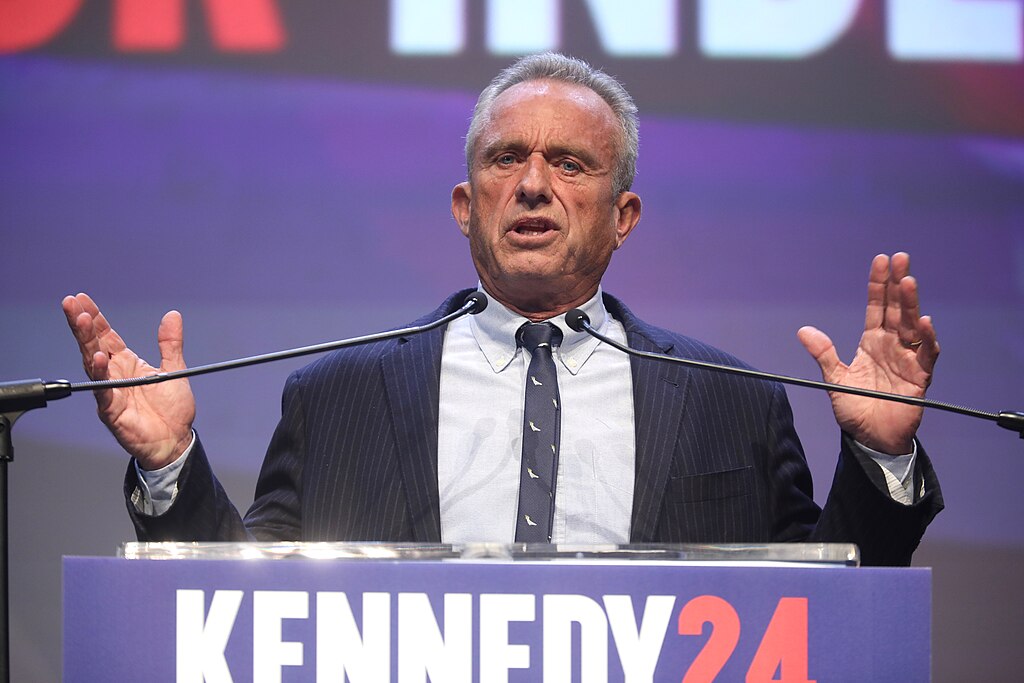
Robert F. Kennedy Jr., recently nominated by President-elect Donald Trump to lead the Department of Health and Human Services (HHS), has proposed a ban on direct-to-consumer pharmaceutical advertisements on television. This initiative has ignited a nationwide debate over the influence of drug companies in healthcare and the potential implications for public health.
A Bold Move Against Big Pharma
Kennedy, an environmental lawyer and prominent vaccine skeptic, argues that television drug advertisements contribute to the over-prescription of medications and inflate healthcare costs. He contends that the U.S. and New Zealand are the only countries permitting such direct-to-consumer pharmaceutical advertising, suggesting that a ban could lead to more informed and cautious prescribing practices.
"The constant barrage of drug commercials is not only annoying but also detrimental to public health," Kennedy stated during a recent interview. "It's time we put an end to this practice and prioritize patient well-being over corporate profits."
Public Reaction: A Nation Divided
The proposal has elicited a wide range of reactions from the public, particularly on social media platforms:
-
@HealthAdvocate: "Finally, someone is standing up to Big Pharma's manipulation. RFK Jr. is right on this!"
-
@FreeSpeechDefender: "Banning ads sets a dangerous precedent. What's next? Censorship of other industries?"
-
@MedicalProfessional01: "As a doctor, I see patients misled by these ads daily. This ban is overdue."
-
@ConsumerChoice: "I appreciate knowing my options. Why take away information that could help me?"
-
@PharmaRep2024: "This move could cost thousands of jobs in the advertising sector. Has RFK Jr. considered that?"
-
@SkepticalCitizen: "Is this really about public health, or just another way for the government to control us?"
Legal and Industry Implications
Implementing such a ban would face significant legal challenges, particularly concerning First Amendment rights related to commercial speech. The pharmaceutical industry, which spends over $4 billion annually on television advertising, is expected to oppose the proposal vigorously.
Critics argue that these advertisements play a role in educating consumers about available treatments, potentially prompting individuals to seek medical advice they might otherwise avoid. However, opponents like Kennedy believe that the persuasive nature of these ads leads to unnecessary medication use and contributes to escalating healthcare costs.
FDA's New Guidelines: A Step Toward Transparency
The Food and Drug Administration (FDA) has recently implemented new guidelines requiring drug companies to present risk information in a clear and neutral manner during advertisements. These rules, effective November 20, aim to eliminate distracting visuals and complex medical jargon that may downplay potential side effects.
While these measures seek to enhance transparency, Kennedy and his supporters argue that they do not go far enough in mitigating the undue influence of pharmaceutical companies on consumer choices.
Looking Ahead: The Future of Drug Advertising
As Kennedy prepares to assume his role at HHS, the proposal to ban television drug advertisements is expected to be a focal point of his tenure. The initiative aligns with his broader agenda to reduce the pharmaceutical industry's influence on public health policies and promote alternative approaches to healthcare.
Whether this proposal will withstand legal scrutiny and industry pushback remains to be seen. However, it has undeniably sparked a critical conversation about the role of pharmaceutical advertising in American society and its impact on public health.







