


 Meta Unveils Muse Charm AI Device, Expands Smart Glasses Lineup
  Fed Unveils Stablecoin Rules Under GENIUS Act
  Microsoft Stock Upgraded as Stifel Sees Stronger Azure Growth
  Oil Prices Fall on U.S.-Iran Hormuz Deal Hopes
  China Reviews Broadcom Switch Use in State Data Centres
  Burnham Eyes UK Leadership Role in AI Ahead of Trump Meeting
  US Northeast Airports Resume Operations After Telecom Outage Disrupts Thousands of Flights
  Australia Unemployment Hits Five-Year High Despite Strong Jobs Growth
  Tencent Launches TenPayGo Payment App for Foreign Tourists in China
  Fed’s Hammack Says Bond Yield Surge Is Not Driven by Inflation Fears
  China’s ‘Lipstick King’ Says AI Won’t Replace Livestream Hosts
  Scott Bessent Eyed as Trump’s New AI Czar
  Japan Private-Sector Growth Slows as Domestic Demand Weakens
  U.S. Dollar Hits Two-Month High as Oil, Treasury Yields Surge
  SoftBank Raises $11.1 Billion in Bond Sale to Fund OpenAI Investment
  Asian Stocks Fall as Bond Yields Surge Ahead of Trump-Xi Summit
  Meta Found Liable in New Mexico Facebook Data Privacy Case


 Add as a preferred source on Google
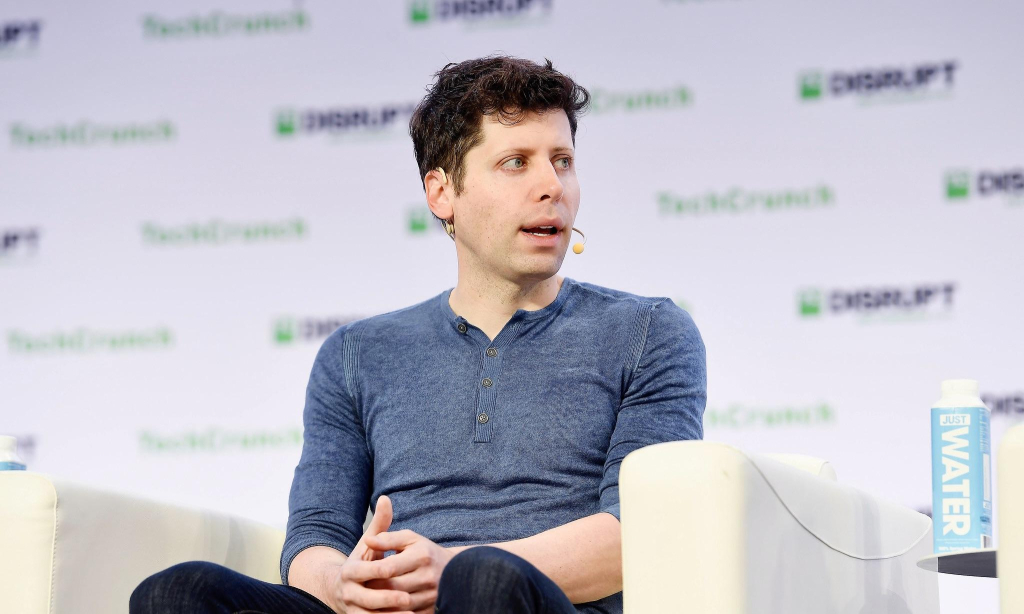
Sam Altman envisions a world where superintelligence propels AI innovation 10x faster than expected, transforming global progress and redefining humanity’s future.
Early Arrival of AGI Sparks Debate
The most noteworthy is speculating on the possible arrival of AGI (artificial general intelligence) earlier than expected.
In recent months, there have been headlines suggesting that AI could spell the end of humanity. One prominent AI safety researcher even went as far as to say that there is a 99.9 percent chance that AI would bring about the end of the world unless we stop its advancement.
Sam Altman, CEO of OpenAI, recently gave an interview to The Free Press YouTube Channel (via @tsarnick on X) in which he discussed artificial general intelligence (AGI). If you believe the CEO:
"If the rate of scientific progress that's happening in the world as a whole tripled, maybe even like 10x, the discoveries that we used to expect to take 10 years and the technological progress we used to expect to take 10 years. If that happened every year, and then we compounded on that the next one, and the next one and the next one. That to me would feel like superintelligence had arrived."
Superintelligence and Its Distinction from AGI
The terms artificial general intelligence (AGI) and superintelligence are dissimilar. Since it is an advanced AI system, the former surpasses AGI's capabilities and outperforms humans in many ways, including speed, advanced reasoning, limitless memory, and more.
The OpenAI o1 release to wide availability, according to a technical employee at the AI startup, is AGI.
AGI’s Societal Impact and Safety Concerns
Curiously, Sam Altman had already hinted that AGI might whizz by society with shockingly no influence. It will be a long time between artificial general intelligence (AGI) and superintelligence, he continued, and the safety worries voiced over AI's fast development would not arise during the AGI moment.
Superintelligence, even Sam Altman concedes, will change the way people live and work and the economy functions. On the other hand, he asserts that technology won't alter our innate motivations or the things that we value most, "but the world in which we exist will change a lot."







