


 BOJ Rate Hike Expectations Rise as Weak Yen and Strong U.S. Jobs Data Increase Pressure
  Central Banks Eye Gold, Reduce Dollar Exposure as AI Adoption Accelerates: OMFIF Survey
  New Zealand Unemployment and Inflation Debate Intensifies Ahead of 2026 Election
  BOJ Raises Interest Rates to 1% as Inflation Pressures Persist
  Taiwan Central Bank Likely to Keep Interest Rates Unchanged Through 2027
  ECB Set to Raise Interest Rates as Energy Shock Fuels Eurozone Inflation Concerns


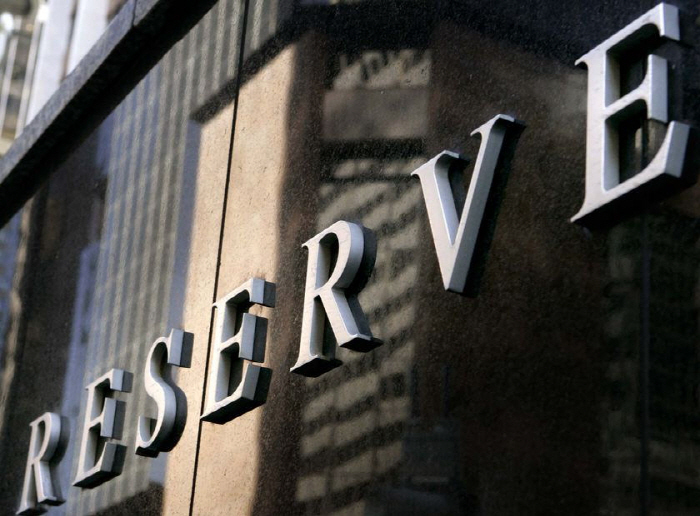
The Reserve Bank of Australia kept the cash rate unchanged at 2%, on par with expectations. The central bank Governor stated that the future decisions on the interest rate will depend on two main factors; if the recent rebound in the labor market conditions is continuing, and whether the current volatility in the financial market signifies weaker domestic and global demand. However, according to Westpac, global volatility will not be enough if there is no proper indication of a feed through effect, mainly to domestic demand.
Business and consumer sentiment will be of main significance. According to the RBA, till date, business sentiments have risen to above average levels. The central bank seems to be confidence regarding the pace of domestic economy. It stated that in 2015, the economy's non-mining parts bolstered. The RBA Board retained that persistent low inflation might give scope for easier policy, should that be appropriate to help demand.
The central bank's comments regarding inflation seem to recognise a lower inflation path. The RBA stated that the consumer price inflation is expected to be low in the next one or two years. Meanwhile, the central bank projects that the global economy will expand at a lower rate as compared to earlier forecast, stressing weakness in emerging market economies, including China.
"Through all this market volatility and confident market pricing that RBA rate cuts could be expected as early as November last year we have held the line that rates would remain on hold for the second half of 2015 and throughout 2016. There is not enough in today's statement for us to change that view. In terms of the key issues highlighted by the Governor we do not expect to see a sustained continuation of current market volatility and certainly do not anticipate financial volatility substantially weakening domestic demand", says Westpac.

- News

- Economy

- Central Banks
- Investing
- Research
- Roundups
- Digital Currency
- Insights
- Technical Analysis
- Technology
- Business
- Law
- Health
- Nature
- Fintech
- Science
- Topic
- Opinions
- ©Econometrics LLC . All Rights Reserved.
RBA keeps cash rate on hold, future rate decision to depend on market volatility and labor market
Tuesday, February 2, 2016 5:14 AM UTC
Editor's Picks



- Market Data
Most Popular




