


 Fed Minutes Signal Another Rate Hike by Year-End
  Dogecoin Price Rebounds as DOGE Defends $0.08 Support
  Visa Wins China Approval to Prepare Domestic Payments Expansion
  Gold's Tug-of-War: Geopolitical De-escalation Fights Falling Yields as Markets Eye US CPI
  Crypto Derivatives Dashboard: Bulls Retain Control Amid $488M Liquidation Flush
  BlackRock’s Rick Rieder Favors Bonds Over Stocks as Treasury Yields Surge
  Monero Price Holds $515 Support as XMR Eyes $545 Breakout
  RBA Set for September Rate Hike as Inflation Stays High
  Ripple-Backed Evernorth Set for Nasdaq Debut With 473 Million XRP
  Bitcoin Price Drops as US Dollar Hits 18-Month High
  Ripple Mints 19.6 Million RLUSD Amid Banking Expansion


 Add as a preferred source on Google
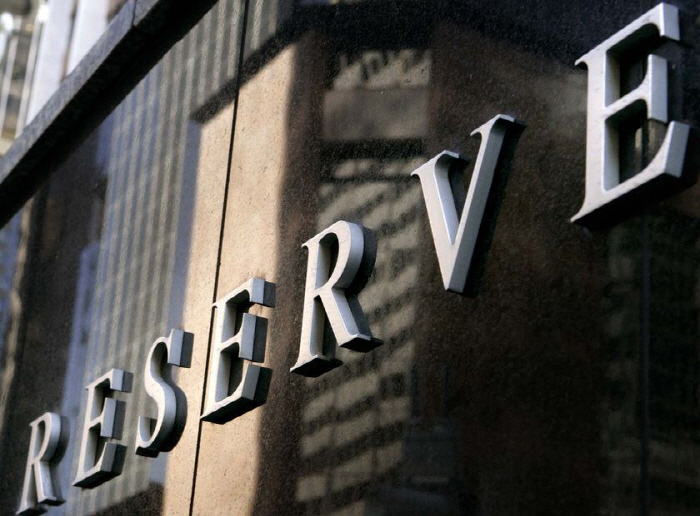
The Reserve Bank of Australia has cut Australia’s cash rate by 25 basis points to a record low of 1.75%, citing inflationary pressures.
The decision comes as Treasurer Scott Morrison prepares to unveil his first federal budget, and with a July 2 election due to be called at the end of the week. Following the decision the Australian dollar fell more than 1% to US75 cents.
The decision follows the release of the March quarterly Consumer Price Index data, which recorded negative headline inflation of -0.2%, bringing the annual rate down to just 1.3%. This prompted some fears of deflation.
Core inflation – which strips out the most volatile components – rose by just 0.15%, compared to market expectations of 0.5%, and put the annual rate at 1.55%. This was below the RBA’s 2-3% inflation target.
In a statement, Governor Glenn Stevens noted the recent quarterly inflation data had been “unexpectedly low”, although he said this might be “temporary”.
But Stevens said the data, combined with “very subdued growth in labour costs and low cost pressures elsewhere in the world, pointed to a lower outlook for inflation than previously forecast”.
In his statement, Stevens addressed concerns that an interest rate cut will push up house prices. He said the “potential risks of lower interest rates in this area are less than they were a year ago” as banks have tightened their lending policies, particularly around investment property loans.
The National Australia Bank has already said it would pass on the cut to borrowers.
The CAMA shadow board, which assesses the interest rate decisions of RBA board members, had this month recommended no change to the cash rate as the most appropriate policy.
CAMA board member Professor Mark Crosby said the RBA may have “erred on the side of caution” in making the decision before an election is officially called, rather than in the middle of a campaign.
But he said it was likely the impact of the rate cut in fuelling growth in the economy would be quite small and that the RBA would have limited monetary policy options in the face of deteriorating global conditions.
“My concern is the RBA is using up its ammunition when the current stance is already very supportive of economic activity,” he said.
 Helen Westerman, Business + Economy Editor, The Conversation
Mark Crosby, Associate Professor of Economics, Melbourne Business School
This article was originally published on The Conversation. Read the original article.







