


 RBA Expected to Hold Interest Rates at 4.35% as Markets Watch AUD/USD and ASX 200
  BOJ Rate Hike Expected to Boost Yen, Impact USD/JPY and Nikkei
  Malaysia Central Bank Moves to Support Ringgit Amid Foreign Fund Outflows
  Goldman Sachs Sees Fed Holding Interest Rates Steady Until 2027
  South Korea’s KOSPI Plunges as Apple Price Hikes and OpenAI IPO Delay Shake AI Chip Stocks
  Wall Street Ends Mixed as Tech Stocks Struggle Ahead of Micron Earnings
  Indonesia Central Bank to Draft New Regulations After Expanded Economic Growth Mandate
  BoE Policymaker Alan Taylor Signals No Need for Interest Rate Hike Amid Iran War Inflation Risks
  China Keeps Loan Prime Rates Unchanged for 13th Straight Month as Policymakers Prioritize Credit Demand Recovery
  ECB Keeps July Rate Options Open Amid Iran War Energy Price Risks
  New Zealand Unemployment and Inflation Debate Intensifies Ahead of 2026 Election
  Gold Falls Below $4,000 as Strong Dollar and Fed Rate Hike Expectations Weigh on Prices
  US Dollar Slips After PCE Inflation Data Eases Fed Rate Hike Expectations
  Oil Prices Drop as Strait of Hormuz Shipping Recovers
  Australia Jobs Growth Strengthens Rate Hike Outlook


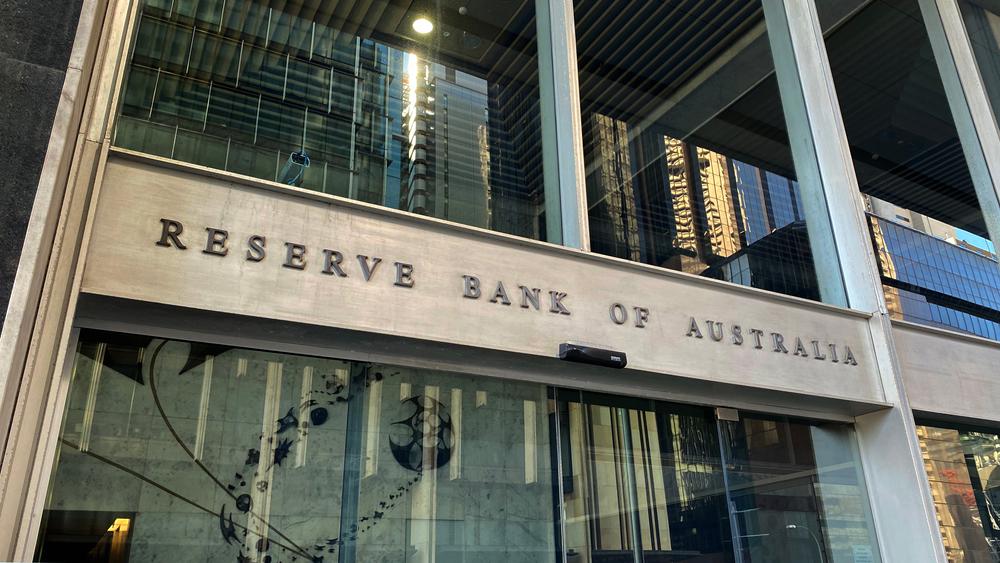
The Reserve Bank of Australia is heading into its March 17 board meeting with no clear consensus on interest rates, according to Deputy Governor Andrew Hauser. Speaking to The Conversation on Tuesday, Hauser acknowledged that policymakers face a genuinely divided decision, shaped by conflicting economic signals at home and growing instability abroad.
Hauser was candid about the complexity of the current environment. Inflation remains uncomfortably high, and recent data suggest the Australian economy has little spare capacity to absorb further price pressures. The ongoing Middle East conflict has added fuel to the fire by pushing global oil prices higher — a development Hauser described as unhelpful from a monetary policy standpoint. Given these conditions, the case for another rate hike carries real weight.
Yet the Deputy Governor was equally clear that tightening further is not a foregone conclusion. Weaker-than-expected consumer spending and softer labour cost figures point to an economy already feeling the strain of previous rate increases. Hauser also warned that acting too aggressively risks tipping Australia into a sharper slowdown, driving up unemployment and ultimately pushing inflation below target — an outcome the RBA is equally keen to avoid.
The RBA raised the official cash rate by 25 basis points to 3.85% last month, reversing course after cutting rates three times the previous year as inflation unexpectedly picked back up. Financial markets currently assign a 50% probability to another hike at the March meeting, with a May increase considered virtually certain. Traders are pricing in a total of 60 additional basis points of tightening across 2026.
With global uncertainty still extremely elevated and domestic data sending mixed messages, the RBA's upcoming decision reflects just how fine the line has become between controlling inflation and protecting economic growth.







