


 SpaceX Stock Slump Wipes Out Nearly $700 Billion From Elon Musk’s Paper Wealth
  Nvidia Invests $1 Billion in Naver as South Korea AI Data Center Expansion Gains Momentum
  Starbucks Stock Jumps as Q3 Earnings Beat, Sales Growth Drives Higher 2026 Outlook
  Nvidia Eyes $250B Guarantee for OpenAI’s Massive Ohio AI Data Center Project
  SpaceX Wins $1.6 Billion U.S. Space Force Launch Contracts for Falcon 9 Missions Through 2027
  Barclays Q2 Profit Beats Forecasts as Investment Banking Strength Offsets Higher Costs
  Samsung Q2 Profit Surges on AI Memory Chip Demand, Forecasts Strong Second Half
  Meta Stock Drops After Earnings Miss as AI Spending and Legal Costs Weigh on Profit
  TeamViewer Shares Fall Despite Profit Growth as ARR and Customer Base Decline
  Arm Holdings Q1 Earnings Beat Estimates, Strong Q2 Outlook Fails to Lift ARM Stock
  SK Hynix Q2 Profit Hits Record as AI Memory Chip Demand Fuels Growth
  X Challenges Australia’s Expanded Social Media Ban Enforcement Powers
  OpenAI Revenue Surges After GPT-5.6 Launch as IPO Expectations Grow
  Zhongji Innolight Raises $6.8 Billion in Hong Kong IPO as AI Demand Fuels Growth
  TSMC Gradually Restarts Japan Chip Plant After Kumamoto Earthquake
  AMD Unveils Helios AI Servers to Challenge Nvidia as OpenAI Adopts New Platform
  Oracle Stock Rises After Winning Up to $6.99 Billion U.S. Defense Software Contract


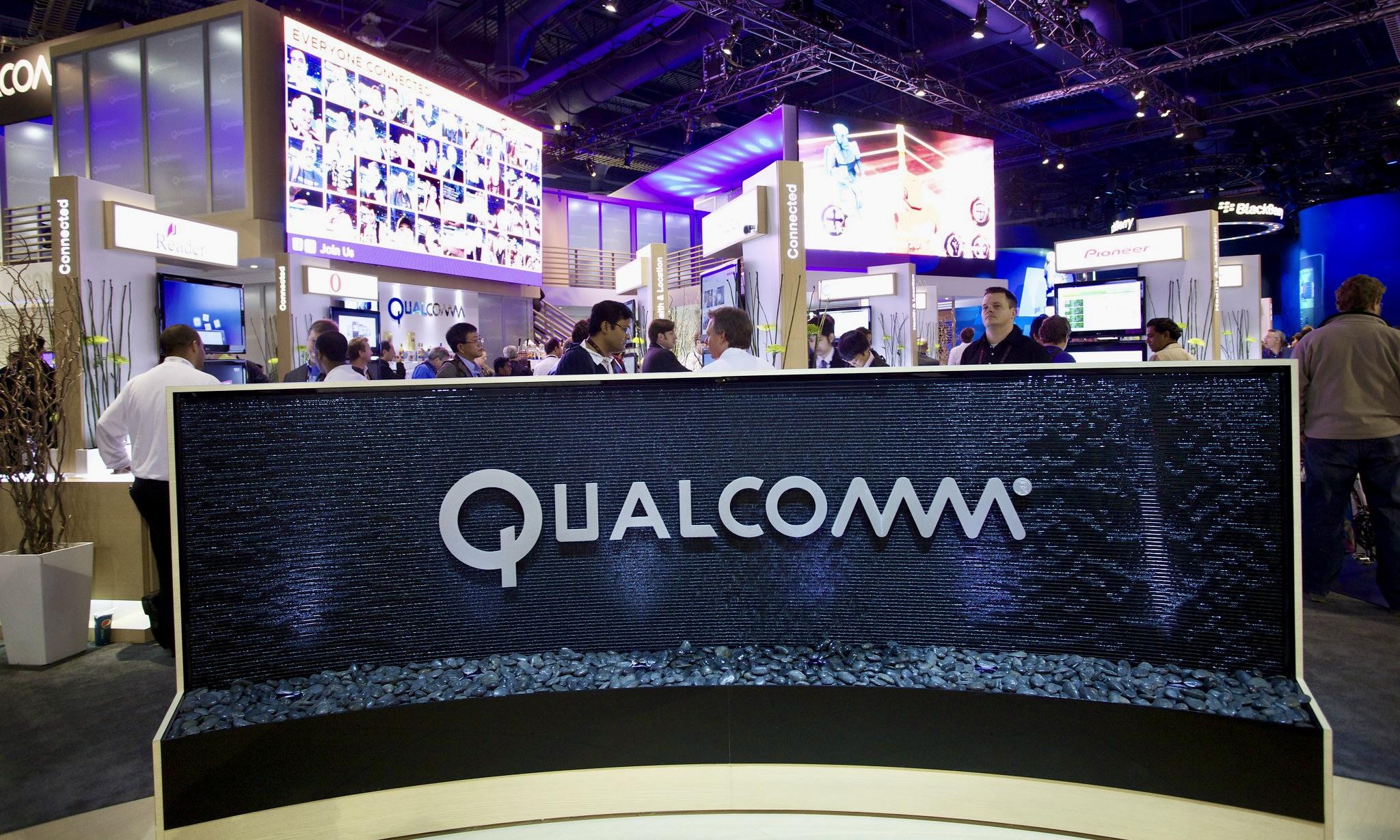
Qualcomm (NASDAQ: QCOM) shares dropped more than 4% in after-hours trading after the chipmaker issued a weaker-than-expected fiscal fourth-quarter profit forecast and warned that revenue from Apple-related products will decline faster than previously anticipated. Despite the near-term pressure, the company remains confident that its expanding AI data center and diversified chip businesses will offset the lost Apple revenue by fiscal 2027.
CEO Cristiano Amon said Qualcomm expects supply constraints to significantly reduce its share of components in Apple's next iPhone lineup, falling well below the company's earlier estimate of 20%. He added that Qualcomm will increase product prices starting September 1 to help restore historical profit margins, citing higher costs across the semiconductor supply chain.
The company is accelerating its transition away from smartphone dependence. Chief Financial Officer Akash Palkhiwala said growth from non-handset businesses is expected to fully replace Apple-related revenue by fiscal 2027. Qualcomm is targeting $5 billion in AI data center revenue by fiscal 2027 and aims to grow that figure to $15 billion by 2029.
Amon also revealed that Qualcomm has started wafer production for two custom AI chips designed for hyperscale customers, with revenue expected to begin in the December quarter. In addition, the company completed the tape-out of its first-generation high-bandwidth compute chip ahead of its planned mid-2027 launch.
For the fiscal fourth quarter, Qualcomm projected adjusted earnings of $2.05 to $2.25 per share, below Wall Street's consensus estimate of $2.36. Revenue is expected to range between $9.7 billion and $10.5 billion, compared with analysts' forecast of $10.02 billion.
Although third-quarter handset revenue declined 20% year over year to $5.09 billion, it still exceeded analyst expectations. Total third-quarter revenue slipped 4% to $9.95 billion, beating estimates of $9.67 billion, while adjusted earnings of $2.21 per share narrowly missed forecasts. Qualcomm noted that improving Android demand was offset by consumers shifting toward lower-priced premium smartphones and older devices, creating additional pressure on margins.







