


 Boeing Secures $166.8 Million U.S. Navy Contract for P-8A Engineering and Software Support
  Greg Abel’s First Berkshire Hathaway Shareholder Letter Signals Continuity, Caution, and Capital Discipline
  AWS Data Center in UAE Hit by Fire After Objects Strike Facility Amid Regional Tensions
  Nvidia to Launch New AI Inference Processor to Boost OpenAI Performance
  FCC Approves Charter Communications’ $34.5 Billion Acquisition of Cox Communications
  Lynas Rare Earths Shares Surge 7% After Malaysia Renews Processing Plant Licence for 10 Years
  Paramount Skydance to Acquire Warner Bros Discovery in $110 Billion Media Mega-Deal
  United Airlines Boeing 787-9 Makes Emergency Landing in Los Angeles After Possible Engine Fire
  Rio Tinto Advances Gallium Extraction Project in Canada with Federal Funding Support
  Middle East Airspace Shutdown Disrupts Global Flights After U.S.-Israel Strikes on Iran
  Malta will gain from smart heritage
  OpenAI Pentagon AI Contract Adds Safeguards Amid Anthropic Dispute
  Australia Targets AI Platforms With Strict Age Verification Rules
  Blackstone Expands BCRED Investor Payouts Amid Rising Private Credit Market Concerns


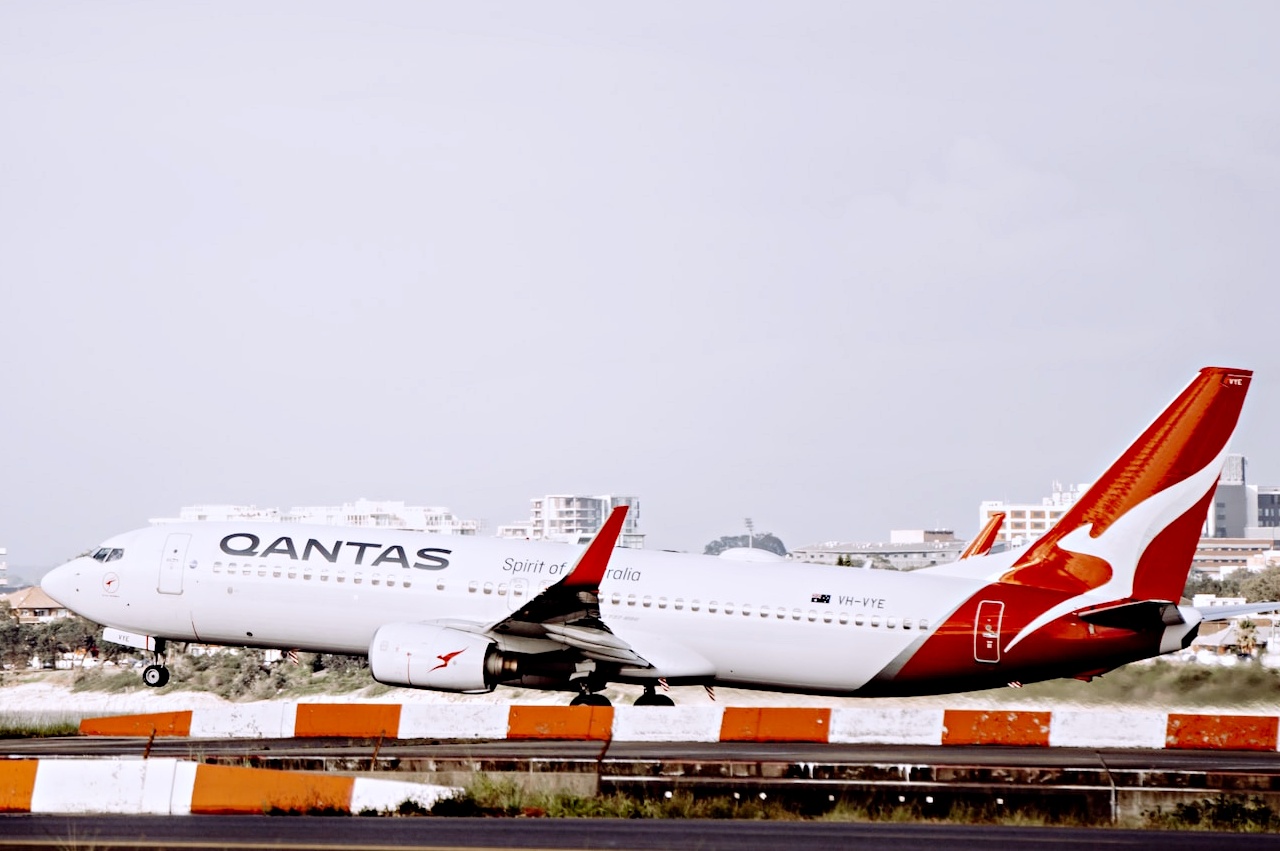
Qantas Airways CEO Vanessa Hudson has acknowledged that rising oil prices driven by escalating tensions between the United States, Israel, and Iran are creating significant pressure on the global aviation industry. Speaking at the Australian Financial Review’s business summit on Tuesday, Hudson said the airline has implemented “pretty good” fuel hedging strategies, but emphasized that the current spike in crude oil prices presents serious challenges for airlines worldwide.
The ongoing geopolitical conflict has triggered volatility in global energy markets, pushing jet fuel costs higher and increasing operating expenses for carriers. While Qantas fuel hedging measures are designed to protect the airline from sudden price fluctuations, Hudson noted that the broader impact of sustained high oil prices cannot be ignored. Fuel remains one of the largest expenses for any airline, and sharp increases directly affect profitability, ticket pricing, and overall financial performance.
Hudson explained that Qantas is closely monitoring developments in the Middle East as uncertainty continues to weigh on global markets. The airline industry is particularly sensitive to oil price movements because jet fuel costs account for a substantial portion of total operating expenditure. Even with strong risk management and hedging policies in place, prolonged geopolitical instability could lead to higher fares and tighter margins across the sector.
The remarks highlight how international conflicts can quickly influence airline operations, travel demand, and global aviation outlook. Investors and travelers alike are watching oil price trends as airlines navigate a complex environment shaped by geopolitical risk and economic uncertainty.
As tensions remain unresolved, Qantas and other major carriers are expected to maintain a cautious approach, balancing fuel hedging strategies with operational flexibility to manage the ongoing volatility in energy markets.













