


 US Stock Futures Recover as Iran Signals Progress in Peace Talks
  South Korea Stocks Tumble as AI-Fueled Rally Faces Profit-Taking Pressure
  Bessent Says U.S. Must Strengthen Supply Chains and Economic Security
  Gold Price Rises as Investors Weigh U.S.-Iran Talks and Fed Policy Outlook
  Japan Keeps Markets Guessing as Yen Nears 40-Year Low, Raising Intervention Risks
  China Keeps Loan Prime Rates Unchanged for 13th Straight Month as Policymakers Prioritize Credit Demand Recovery
  France Faces Long Road to Economic Rebalancing as Weak Demand and High Rates Weigh, Says Citi
  Oil Prices Fall as Iran Peace Talks Progress, Hormuz Reopens, and U.S. SPR Hits 1983 Low
  Yen Near 40-Year Low as USD/JPY Approaches Key 162 Level, Raising Intervention Concerns
  Asian Stocks Slip as Oil Rebounds Amid Fed Rate Hike Fears
  Singapore Inflation Stays Muted in May as Core CPI Misses Forecasts Ahead of MAS Review
  U.S.-Iran Diplomacy Helps Drive Gasoline Prices Down 15% From May Highs
  Dollar Holds Firm as U.S.-Iran Talks Ease Tensions, GBP/USD Slips Amid UK Political Uncertainty
  Asian Stocks Slide as AI Rally Pauses, South Korean Chipmakers Lead Regional Decline


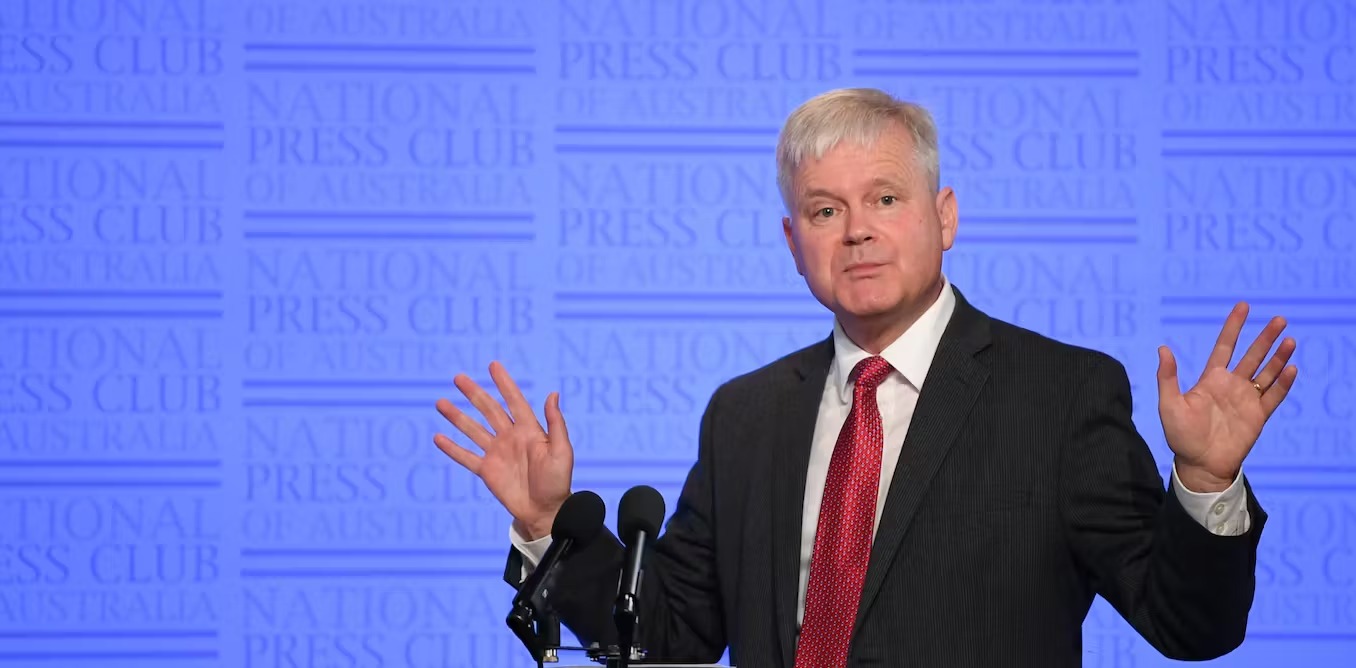
The International Monetary Fund (IMF) released a report this week calling on Australia to raise interest rates again, adding to the speculation the Reserve Bank will increase the cash rate on Tuesday.
If that happens it will be yet another blow to many household budgets, already under strain from the rises in the prices of food, fuel and power.
In this podcast, independent economist Chris Richardson joins The Conversation to discuss the expectations about a rate rise, “sticky” inflation, the fall in the standard of living, the difficulty of the government responding to the cost-of-living crisis, and a bleak prospect as we go into 2024, before we reach some light at the end of a long tunnel.
Asked whether a rate rise next week is virtually a foregone conclusion or whether there’s still some doubt, Richardson says:
Never say never on something like interest rates. But the new Reserve Bank governor did pretty clearly put a line in the sand and then almost straight away, the inflation numbers seemed to cross that line. So like most economists, I do expect Tuesday […] we’ll see a further rise in interest rates.
On the issue of living standards in Australia he says:
I’m surprised that there is not more discussion of arguably the key number in economics, our living standards – basically the amount of money that people have, disposable income. So you take out tax, you take out interest payments, you look at that per head, you put it in today’s prices – that peaked in September ‘21. It was artificially high during COVID, but it is down almost 10% since then. And that fall is rather larger than anything Australia saw in recessions in decades past.
Asked what can or should the government do about the cost of living crisis, Richardson say:
It can’t do much. When we talk about a cost-of-living crisis, we’re saying that inflation is dragging down our living standards and that that’s a problem. Now, if governments could solve that, not just Australian governments, past governments as well as the current one, other governments around the world, if they had a magic wand, they would have been waving that magic wand pretty madly. They don’t. And that’s the trick.
In current circumstances, if you give people extra money, well, of course they’ll spend it […] and that would simply push inflation up again. And indeed, if the government did enough of that it wouldn’t just push inflation up again, it could make the Reserve Bank raise rates again. In other words, a cost-of-living problem is a wicked one for governments to do something about.







