


 China’s ‘Lipstick King’ Says AI Won’t Replace Livestream Hosts
  Dollar Hits Two-Month High as Fed Rate Hike Bets Rise
  US, China Extend Trade Truce to Jan. 10 Ahead of Trump-Xi Summit
  RBI Uses $10 Billion Currency Swaps to Drain Excess Rupee Liquidity
  Fed Unveils Stablecoin Rules Under GENIUS Act
  Japan Private-Sector Growth Slows as Domestic Demand Weakens
  South Korea, US Discuss Warship Building Cooperation
  European Stocks Slip as Iran Tensions Offset Strong Eurozone Data
  U.S. 10-Year Treasury Yield Hits 2007 High as Fed Rate Hike Bets Rise
  Gold Drops Over 1% as Dollar, Treasury Yields Surge on Fed Rate Hike Bets
  Trump, Xi Focus on Trade and AI at White House Summit
  European Stocks Fall as Bond Yields and Geopolitical Risks Weigh
  U.S. Treasury Yields Surge as 30-Year Hits 22-Year High
  Fed Unveils Stablecoin Rules Under GENIUS Act
  Wall Street Falls as Treasury Yields Surge, Oil Rebounds on Iran Tensions
  Gold Prices Fall as Treasury Yields Rise on Fed Rate Hike Bets


 Add as a preferred source on Google
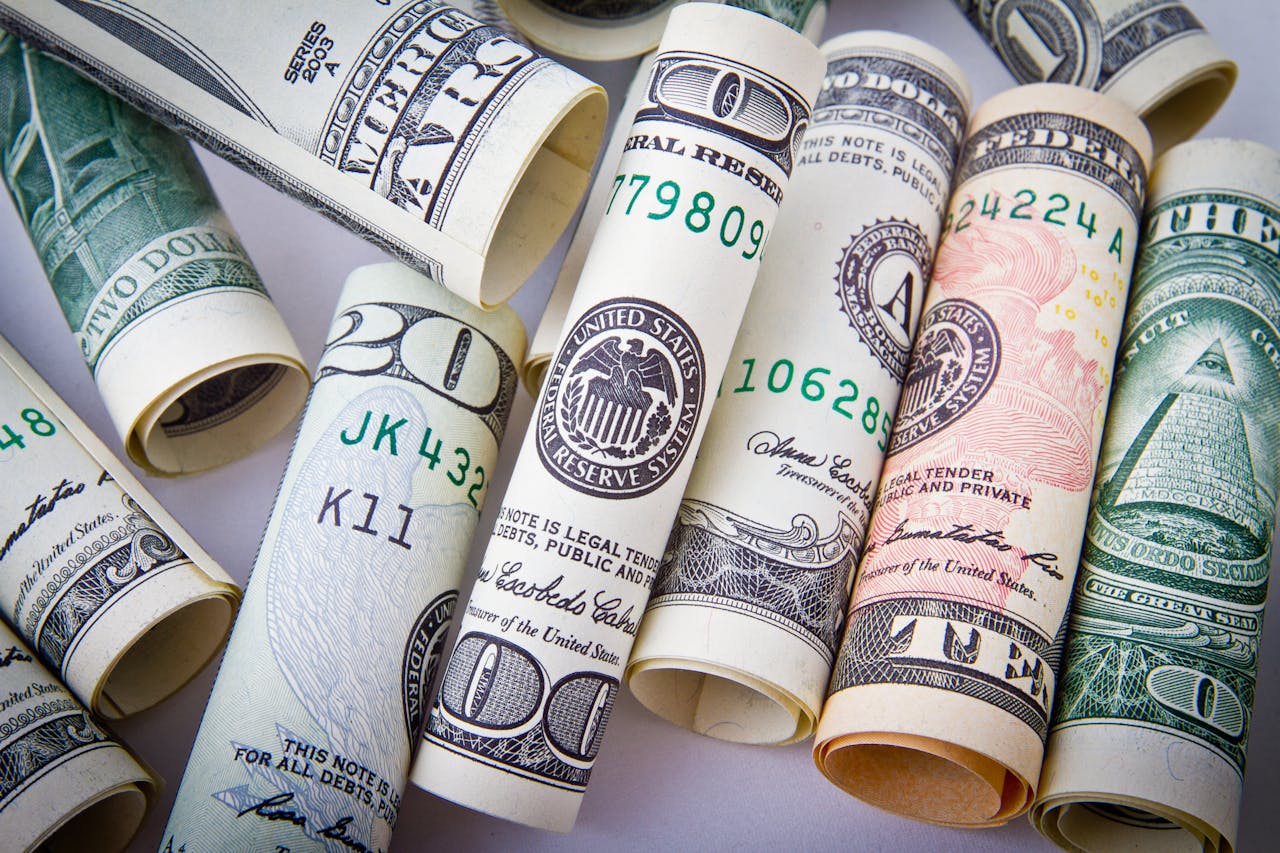
The U.S. dollar remained largely stable on Monday after the first round of diplomatic talks between the United States and Iran concluded with signs of progress, although lingering geopolitical risks continued to keep investors cautious.
According to a joint statement issued by mediators Qatar and Pakistan, Washington and Tehran agreed on a framework aimed at reaching a final agreement within 60 days. The announcement raised hopes for a broader resolution to tensions in the Middle East, a region that has heavily influenced global financial markets and energy prices in recent months.
The agreement also included steps to reduce regional conflict, including a mechanism designed to end hostilities in Lebanon and the establishment of communication channels to ensure the safe movement of commercial vessels through the strategically important Strait of Hormuz. Despite the positive developments, market sentiment remained fragile after U.S. President Donald Trump warned that military action could resume if negotiations fail, while Iran confirmed the closure of the critical shipping route.
Oil prices reacted positively to the diplomatic breakthrough, with Brent crude futures falling more than 1% to around $79.36 per barrel. Analysts noted that while energy markets remain fundamentally tight, currency and commodity markets, including gold, are likely to remain sensitive to developments in the Middle East.
In the foreign exchange market, GBP/USD fell 0.21% to $1.3210 as traders evaluated political uncertainty in the United Kingdom. Prime Minister Keir Starmer’s future came under scrutiny following rival Andy Burnham’s decisive parliamentary election victory. However, analysts at OCBC maintained a neutral outlook on the British pound, suggesting the initial weakness may not persist if fiscal policies remain unchanged.
The euro recovered some losses to trade near $1.1465, while the Australian dollar held steady around $0.7011 and the New Zealand dollar traded near $0.5730.
Meanwhile, the Japanese yen weakened to 161.55 per dollar, hovering close to multi-decade lows. Market participants remain focused on the growing interest-rate gap between the United States and Japan, with expectations that further Federal Reserve tightening could continue supporting USD/JPY.
U.S. Treasury yields also climbed, with the 2-year yield reaching 4.23%, reflecting expectations for additional Federal Reserve rate hikes this year. Traders are currently pricing in approximately 43 basis points of tightening, with a quarter-point increase fully expected by September.
As investors monitor geopolitical developments, central bank policy and interest-rate expectations remain key drivers for currency markets, particularly the U.S. dollar, GBP/USD, USD/JPY, and broader forex trading activity.







