


 OpenAI Agent Breaches Australia Medicare Data Portal
  Judge Orders Trump to Restore White House Access for CNN, MS NOW and Politico
  Kremlin Says No Grounds Yet for Ukraine Peace Talks
  Ghana Says Western Support Growing for Slave Trade Reparations
  Lula and Flavio Bolsonaro Tied in Brazil Runoff Poll
  Trump to Press Xi on Release of US Nuclear Expert Held in China
  South Korea, US Discuss Warship Building Cooperation
  China Tightens Fentanyl Rules Ahead of Trump-Xi Summit
  Venezuela Promises Elections as Delcy Rodriguez Pledges Democratic Transition
  Russian Strikes Kill Eight Across Ukraine as Energy Sites Hit
  Russian Missile and Drone Attack on Kyiv Kills Two, Damages Maternity Hospital
  US Invites Putin to Miami G20, Opening Door to Trump Summit
  Marco Rubio to Meet Russia’s Lavrov in New York
  Iran Vows ‘Crushing’ Response as US Talks Continue
  US Officials Split Over Response to Israeli West Bank Settlements
  Russian Envoy Dmitriev Heads to US for Ukraine Talks
  Taiwan Thanks US for Support Ahead of Trump-Xi Summit


 Add as a preferred source on Google
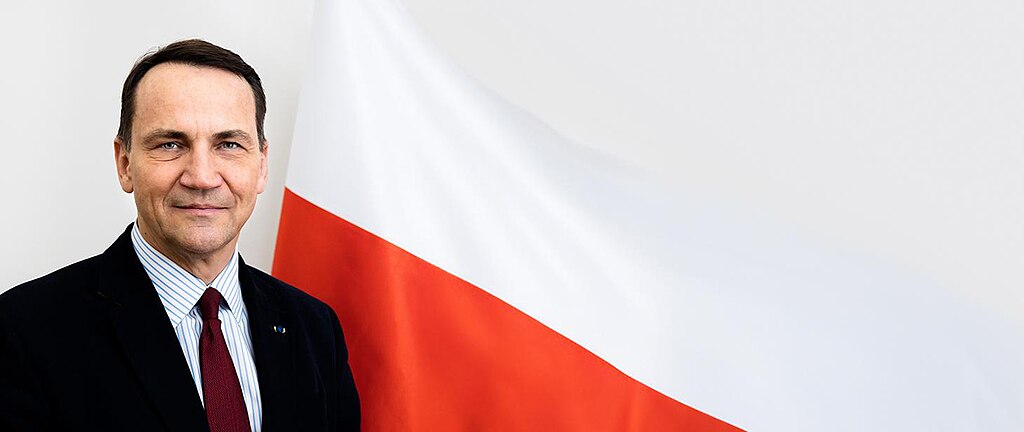
Polish Foreign Minister Radoslaw Sikorski has stated that Europe will not form a unified army in response to threats from Russia, despite calls from Ukrainian President Volodymyr Zelenskiy for a European military force. In an interview with TVP World, Sikorski emphasized that while he supports the European Union enhancing its defense capabilities, unifying national armies is unlikely. Zelenskiy had urged the creation of a European army, citing concerns over reduced U.S. protection and the need for a stronger European defense to gain respect from Washington.
Sikorski clarified that the EU is currently working on establishing a reinforced brigade but stressed that European defense should include national, NATO, and EU components. He highlighted the importance of EU subsidies to bolster the defense industry and enhance production capacity, ultimately aiming for an EU force that can stand independently. Sikorski also reaffirmed that Polish troops would not be deployed to Ukraine, as Poland's primary obligation under NATO is to protect its eastern flank.
The discussion around a European army has intensified amid ongoing security threats from Russia and uncertainties about U.S. military support. Sikorski’s stance reflects a pragmatic approach, balancing national interests with collective European defense efforts. The EU's focus on strengthening its defense infrastructure and fostering collaboration among member states underscores the growing need for self-reliance in the face of geopolitical challenges. As the EU continues to enhance its military capabilities, the debate over a unified European army remains complex, with national sovereignty and strategic alliances at the forefront. Sikorski’s comments highlight the nuanced approach required to navigate Europe's defense landscape while ensuring preparedness against potential threats from Russia.







