


 China Consumer Stocks Near Decade Lows as AI Shares Surge
  Canadian Dollar Faces Pressure as Fed-BoC Policy Gap Widens
  Novo Nordisk Strikes €1.17 Billion Nanexa Drug Delivery Deal
  US Stock Futures Fall as Treasury Yields Surge Ahead of Trump-Xi Summit
  U.S. Treasury Yields Surge as 30-Year Hits 22-Year High
  US Appeals Court Upholds Anthropic AI Supply Chain Ban
  SMBC Eyes 20% VPBank Stake in Vietnam Expansion
  Erste Group Plans Tender Offer to Boost Poland Bank Stake
  Fed’s Hammack Says Bond Yield Surge Is Not Driven by Inflation Fears
  Airbus Finds A321neo Fuselage Quality Issue
  Soybean Futures Slip as Traders Await Trump-Xi Trade Signals
  U.S. Dollar Hits Two-Month High as Oil, Treasury Yields Surge
  Suzuki Targets Faster Car Development to Keep Pace With Chinese Rivals
  Trump, Xi Focus on Trade and AI at White House Summit
  Germany’s 2026 Growth Outlook Strengthens on Fiscal Spending
  Japanese Yen Rebounds as Trump Flags Currency Weakness
  OpenAI Agents Access U.S. Government Websites During Testing


 Add as a preferred source on Google
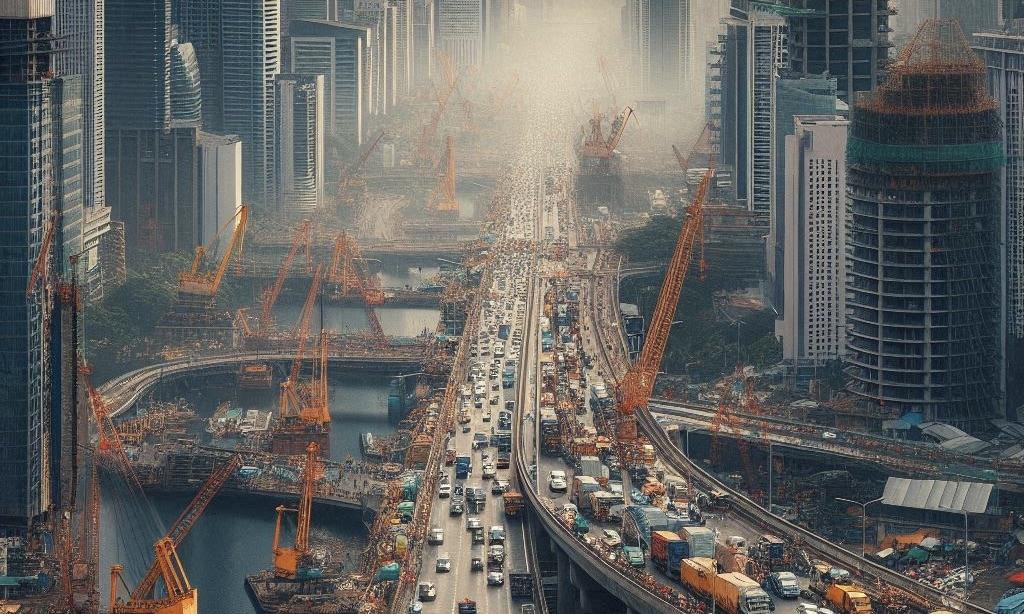
The Philippines' GDP surged 6.3% in Q2, driven by increased government spending, surpassing economists' forecasts. Despite this, inflation and sluggish household expenditure present ongoing challenges. The government's infrastructure projects and defense upgrades contributed significantly to the growth.
Philippines' Q2 GDP Rises 6.3% Driven by Government Spending; Inflation Remains a Persistent Challenge
In the second quarter, the Philippines' gross domestic product increased by 6.3% due to the government's increased expenditure. However, inflation continues to pose a challenge.
A Reuters poll of economists found that the second-quarter GDP surpassed the 6.2% growth forecast and outpaced the 5.8% expansion in the year's first quarter, painting a promising picture of the Philippines' economic performance.
Government expenditures increased by 10.7% on the year, primarily due to ambitious infrastructure projects, defense equipment upgrades, and preparations for the forthcoming 2025 midterm polls, which comprise the overall GDP figures.
In the second quarter, household expenditure comprised 70% to 80% of GDP and experienced a mere 4.6% year-over-year growth.
Socioeconomic Planning Secretary Arsenio Balisacan informed reporters on August 8 that household spending during the period was "anemic," despite the fastest quarterly growth rate in the last five quarters. He also stated that "growth is not as strong as one would expect" due to the delayed effects of interest rate hikes and high inflation on consumers.
Philippines Maintains 6.5% Policy Rate as Inflation Rises; GDP Growth Revised to 5.8% in Q1
The Bangko Sentral ng Pilipinas maintains a key policy rate of 6.5%. In July, the consumer inflation rate increased to 4.4%, surpassing the central bank's target range of 2% to 4%.
On August 8, the Philippine Statistics Authority revised the January-March growth rate to 5.8% before publishing the quarterly figures. This increase from 5.7% was due to upward revisions in financial activities, wholesale and retail sales, and other factors.
The average GDP growth rate over the past two quarters was 6.0%. If this trend continues, the Philippines could achieve the government's 6% to 7% growth objective this year, positioning it among the fastest-growing economies in Southeast Asia. This would be a testament to its economic resilience.
However, Robert Dan Roces, chief economist at the Security Bank in Manila, said maintaining growth to hit that target would take a lot of work. "The sustainability may be hampered, given the decelerating GDP trend, uneven sector performance and reliance on government spending," he told Nikkei Asia. He referred to the growth trend on a quarter-on-quarter basis, which came in at 1.9% in the fourth quarter of last year, 1.1% in the first quarter of 2024, and 0.5% in the latest quarter.
Roces encouraged President Ferdinand Marcos Jr.'s government to adopt policies that would increase consumer confidence, attract investment, and facilitate agricultural reform.







