


 U.S. Treasury Yields Surge as 30-Year Hits 22-Year High
  Asian Currencies Mixed as Dollar Holds Near Two-Month High
  Fed’s Hammack Says Bond Yield Surge Is Not Driven by Inflation Fears
  Fed Unveils Stablecoin Rules Under GENIUS Act
  US Comfortable With Canada Trade Standoff as Import Bans Loom
  RBI Uses $10 Billion Currency Swaps to Drain Excess Rupee Liquidity
  U.S. Dollar Hits Two-Month High as Oil, Treasury Yields Surge
  Dollar Holds Near Two-Month High as Yen Approaches 160
  Fed Unveils Stablecoin Rules Under GENIUS Act
  Australia Unemployment Hits Five-Year High Despite Strong Jobs Growth
  US Stock Futures Fall as Treasury Yields Surge Ahead of Trump-Xi Summit
  Canadian Dollar Faces Pressure as Fed-BoC Policy Gap Widens
  UK PM Burnham to Unveil Economic Vision at Labour Conference
  Japanese Bank Stocks Surge as Bond Yields Fuel Rate Hike Bets
  Soybean Futures Slip as Traders Await Trump-Xi Trade Signals
  Wall Street Ends Flat as Oil, Treasury Yields and Fed Jitters Rattle Markets


 Add as a preferred source on Google
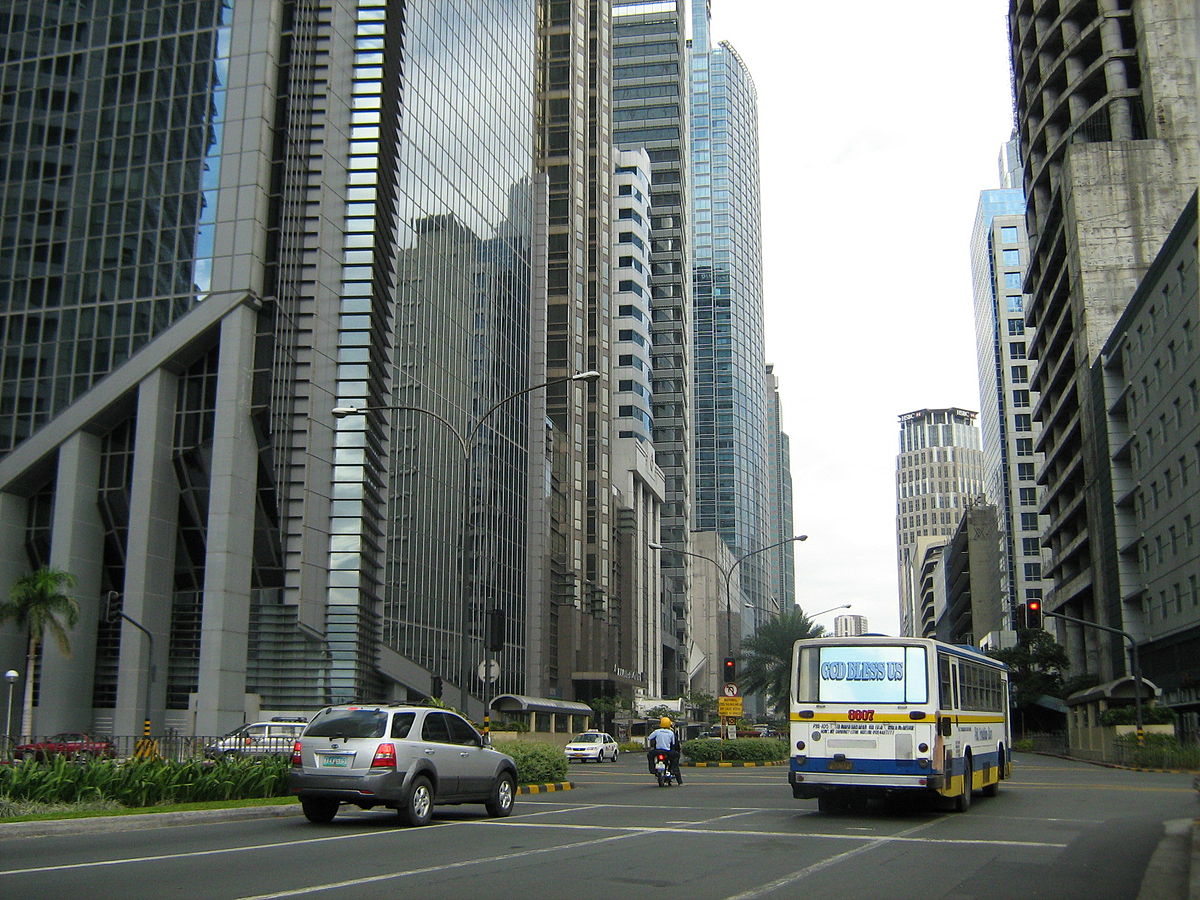
Philippine annual inflation edged up to 1.4% in June from 1.3% in May, driven by higher utility costs, yet remained below the Bangko Sentral ng Pilipinas’ (BSP) target range of 2% to 4% for 2025. The figure also came in lower than the 1.5% median forecast in a Reuters poll, bringing the year-to-date average inflation to 1.8%.
The slight acceleration was largely due to increased prices in housing, water, electricity, gas, and other fuels, which rose 3.2% compared to 2.3% in May, according to the Philippine Statistics Authority. This was partly balanced by a record 14.3% drop in rice prices, easing overall food inflation.
Core inflation, which excludes volatile food and energy components, remained steady at 2.2% in June, reflecting underlying price stability.
The BSP expects inflation to stay below the lower end of its target through 2025, citing continued declines in rice prices as a key factor. This outlook supports the possibility of further monetary easing.
BSP Governor Eli Remolona signaled that the central bank could cut interest rates two more times this year to stimulate economic growth amid rising global uncertainties. The BSP lowered its benchmark rate for the second consecutive time in June, bringing it to 5.25%—its lowest level in over two years.
The central bank’s next policy meeting is scheduled for August 28, with market participants closely watching for any signals on future rate adjustments.
With inflation subdued and room for policy maneuvering, the Philippines is positioned to support its economy while keeping price pressures in check.







