


 BMW Targets 3%-5% Auto Margin by 2028 in Recovery Plan
  Hengrui Shares Rise on $2.6 Billion Novo Nordisk Obesity Drug Deal
  Apple CEO John Ternus Plans Major Overhaul
  OpenAI Seeks $30 Billion at $1.4 Trillion Valuation
  Grayscale Sees Zcash Gaining Market Share Against Bitcoin
  Robinhood Launches AI Agents for Automated Trading
  DeepSeek, Huawei Partner on Ascend AI Chip Programming Tools
  Morgan Stanley Launches Digital Asset Lab for Stablecoins and Tokenization
  Cboe Extends SPX Options Deal, Eyes Tokenized Contracts
  Google Pays Publishers for AI Search Content in New Pilot
  Aztec Revives zk.money for Private Ethereum Payments
  Apple iPhone 18 Pro Sales Jump 12% in China
  Bitwise Launches NEAR ETF as $562 Bull Case Fuels AI Crypto Buzz
  Goldman Sachs Eyes John Waldron as CEO Successor
  Lindt Slashes 2026 Sales Growth Forecast as European Demand Weakens
  Robinhood Chain Meme Coins Slide as Stock Token Locks Rise
  QNT Whales Move $10M to Exchanges After 400% Rally


 Add as a preferred source on Google
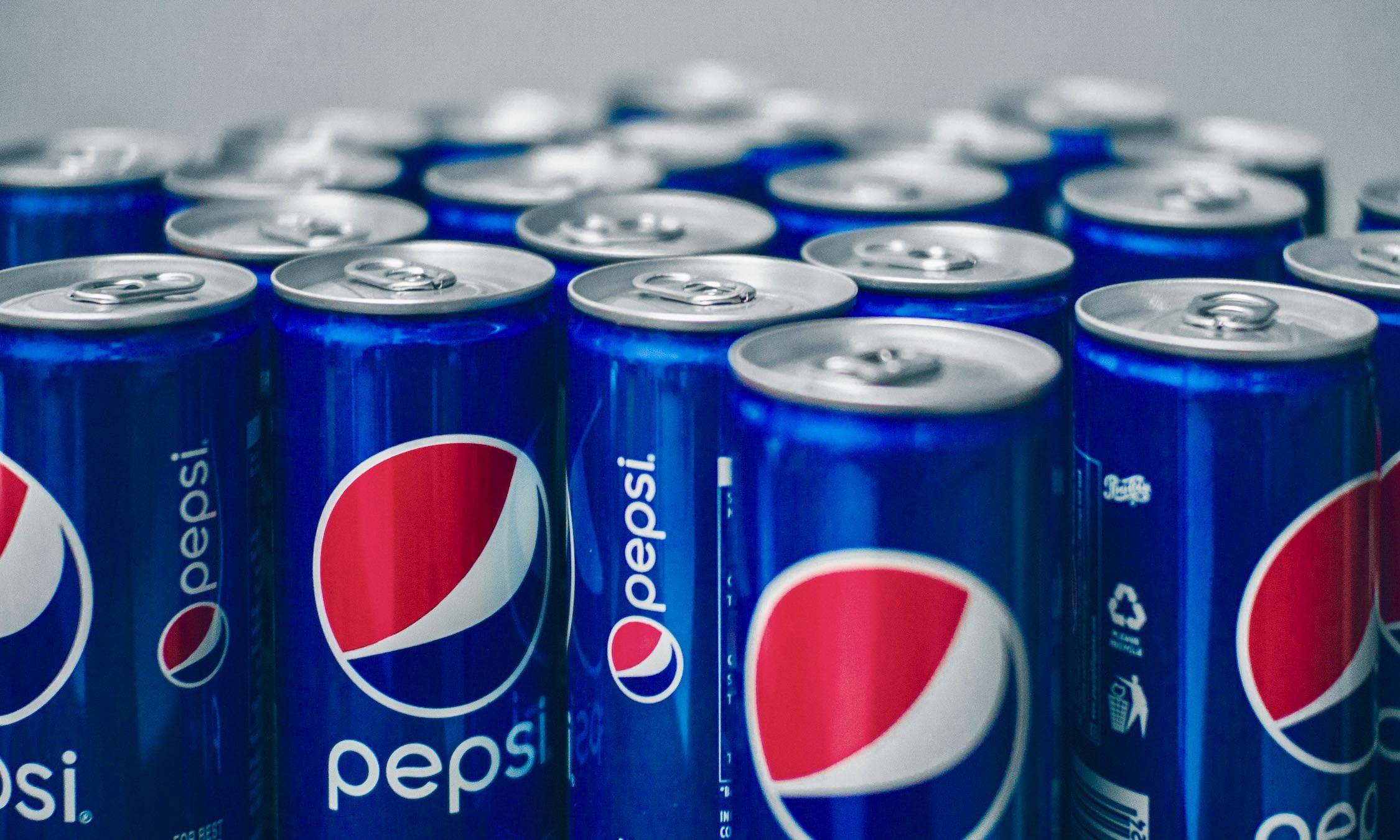
PepsiCo South Africa has emerged as a vital growth region for the global brand, thanks to its $1.3 billion acquisition of Pioneer Foods in 2020 and a significant expansion of local production capabilities.
According to Mail and Globe, the company was able to comply with various conditions imposed by the Competition Commission to ensure the company's commitment to developing local operations.
"When PepsiCo was considering its acquisition of Pioneer Foods, it found a company with a shared commitment to serving the people of South Africa by providing the highest quality food and beverage products while driving inclusive growth for its employees, its suppliers, and the community at large," PepsiCo CEO Riaan Heyl said.
PepsiCo's New Futurelife Factory in KwaZulu-Natal
Knowledia reported that with a focus on growing exports and revenue locally, PepsiCo has inaugurated a state-of-the-art R75 billion Futurelife factory at Dube TradePort in KwaZulu-Natal — a special economic zone adjacent to King Shaka International Airport.
This investment aligns with the company's dedication to local production development and demonstrates its long-term commitment to the South African market.
The new Futurelife factory, covering a vast area of 8,500 square meters, is more than twice the size of its predecessor, allowing for a significant increase in production capacity. The brand has experienced considerable growth and innovation, making such expansion necessary to support future growth.
Situated within the special economic zone, the Futurelife factory enjoys logistical advantages, with easy access to the airport and other key transportation nodes, such as roads and the Durban Port. This strategic location positions PepsiCo South Africa for seamless domestic and international distribution.
The opening of the Futurelife factory is expected to double production. It will meet current market demands and position PepsiCo South Africa for future growth and expansion opportunities.
South Africa as Key Operational Area for PepsiCo
In addition to South Africa, PepsiCo's largest operational areas include the United States, Mexico, Russia, Canada, China, and the United Kingdom. South Africa has emerged as a significant contributor, generating substantial revenue from this market.
PepsiCo's operations outside the United States accounted for 43% of consolidated net revenue in 2022. Mexico, Russia, Canada, China, the United Kingdom, and South Africa contributed approximately 23% of consolidated net revenue during the same period.
PepsiCo has committed to initiatives to benefit its employees, agricultural development, education, and local enterprise development programs as part of its acquisition agreement with Pioneer Foods. This pledge further demonstrates the company's dedication to spurring economic growth and promoting responsible business practices in South Africa.
Photo: Ja San Miguel/Unsplash







