


 US Supreme Court Revives Trump Administration Voter Citizenship Database
  Yemen Violence Displaces 130,000 as Civilian Toll Rises
  Pope Leo Backs Press Freedom After White House Media Ban
  Netanyahu’s Brief US Trip Highlights Strains With Trump
  White House Bars CNN, MS NOW and Politico Reporters
  Trump Bans CNN, MS NOW and Politico From White House
  China Agrees to Buy 20 Million Tons of U.S. Coal
  Pope Leo Warns UN, Multilateral Groups Face Crisis
  Saudi Arabia, Turkey and Pakistan Plan Urgent Defence Talks Over Houthi Attacks
  Saudi Arabia Seeks Military Support as Houthi Attacks Escalate
  US Bans Canadian Alcohol, Motorcycles as Trade War Escalates
  EU Agrees €6.6 Billion Military Aid Funding for Ukraine
  FCC Approves Foreign Investment in $110B Paramount-Warner Bros. Deal
  US Immigration Arrests Surge as Deportations Lag Behind
  Who should own the knowledge that underpins AI technology?
  Appeals Court Rejects Trump Third-Country Deportation Policy
  China Reviews Broadcom Switch Use in State Data Centres


 Add as a preferred source on Google
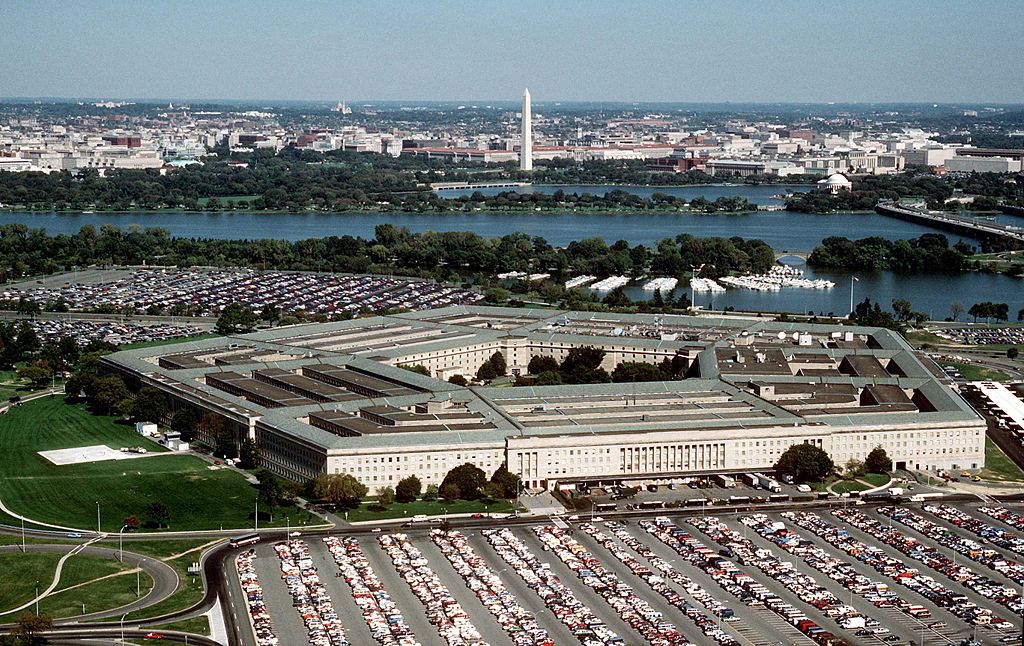
The Trump administration is facing strong backlash after the Pentagon announced new restrictions on media coverage of the U.S. military. Under the new rules, news organizations must agree not to publish information that has not been pre-approved by the government. Media outlets and press freedom advocates argue the move poses a direct threat to the First Amendment and undermines transparency.
Reuters expressed “deep concern,” emphasizing that a free press is vital to democracy and public accountability. The organization vowed to continue covering the Pentagon “impartially, accurately, and independently” in line with its Trust Principles.
The New York Times condemned the policy as “at stark odds with constitutional protections of a free press.” A spokesperson noted the restrictions are part of a troubling pattern of limiting public understanding of U.S. military operations funded by taxpayers. The Times pledged to continue reporting facts “deeply and fairly.”
The Wall Street Journal said it was “deeply disturbed” by the development, warning of the implications for its newsroom, while the Washington Post stressed that the Constitution protects the right to report on government activities. Executive editor Matt Murray said any attempt to curb access and control messaging “is counter to the First Amendment and against the public interest.”
The controversy highlights ongoing tensions between the U.S. government and the press over access to information. Critics argue these restrictions weaken transparency, reduce accountability, and hinder the public’s ability to stay informed about military actions. News organizations have signaled they will resist efforts to limit independent reporting, reinforcing their commitment to accurate, fair, and essential journalism.







