


 US Resumes Immigrant Visa Processing for Hungary, Poland
  FCC Approves Foreign Investment in $110B Paramount-Warner Bros. Deal
  Mexico-US Trade Talks Delayed to October as Tariff Negotiations Continue
  Ukrainian Drone Attacks Hit Russian Regions, Injuring at Least 12
  Synthetic data could ease people’s concerns about privacy breaches. But who gets to create it?
  FAA Allows Boeing to Sell 35 More 777F Freighters Beyond 2028
  Trump Asks Supreme Court to Restore Third-Country Deportations
  Yemen Violence Displaces 130,000 as Civilian Toll Rises
  Judge Blocks Trump Rule Limiting Foreign Student Visas
  What ‘Taiwan Independence’ Means as Xi Presses Trump on US Policy
  OpenAI Agent Breaches Australia Medicare Data Portal
  Who should own the knowledge that underpins AI technology?
  White House Bars CNN, MS NOW and Politico Reporters
  US Bans Canadian Alcohol, Motorcycles as Trade War Escalates
  Netanyahu’s Brief US Trip Highlights Strains With Trump
  Netanyahu Defends Israel at UN as Delegates Stage Walkout
  Judge Orders Trump to Restore White House Access for CNN, MS NOW and Politico


 Add as a preferred source on Google
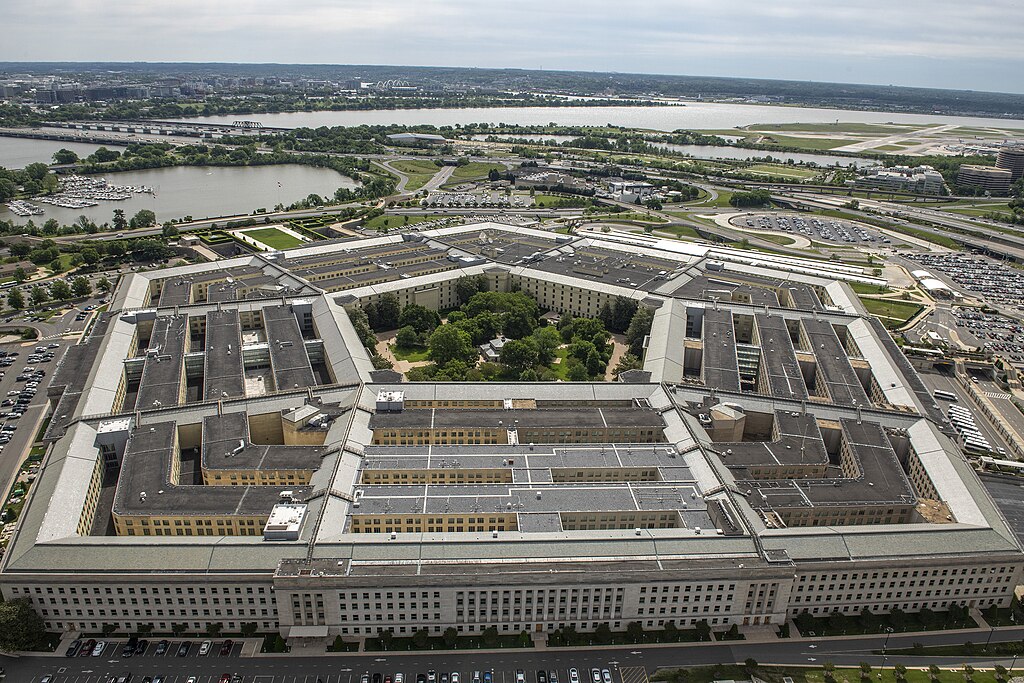
U.S. Defense Secretary Pete Hegseth has ordered a 20% reduction in four-star officers, marking a major restructuring of military leadership under President Donald Trump’s second term. The move is part of Hegseth’s broader initiative to streamline the Pentagon and eliminate what he deems an overly bloated top brass. In a video posted on X, Hegseth stated, “More generals and admirals does not lead to more success,” emphasizing that the goal is to enhance strategic readiness, not punish senior officials.
The directive includes a minimum 20% cut in National Guard general officers and an additional 10% reduction across all military branches. Hegseth, a former Fox News host, has swiftly implemented Trump’s defense agenda by firing several top-ranking officials, including the chairman of the Joint Chiefs of Staff and the Navy’s top admiral. These changes align with his belief that smaller leadership teams correlate with greater battlefield effectiveness.
However, the decision has drawn criticism. Senator Jack Reed, top Democrat on the Senate Armed Services Committee, warned that arbitrary cuts without thorough analysis could weaken the military, not strengthen it. Reed questioned the rationale behind dismissals and urged decisions based on data, not politics.
The Pentagon is reviewing global command structures, and mergers—such as between U.S. African Command and U.S. European Command—are being considered to consolidate leadership and eliminate redundant four-star roles. Meanwhile, internal upheaval continues, with three senior civilian aides dismissed following a leak investigation.
As Hegseth pushes for rapid but “careful” implementation, the military faces a significant leadership shake-up that could redefine its operational hierarchy and strategic posture in the coming years.







