


 Iran Attack in Strait of Hormuz Pushes Oil Prices Higher
  BOJ Hawk Signals Faster Interest Rate Hikes Amid Inflation Risks
  RBI Holds Interest Rates at 5.25%, Cuts India Growth Forecast Amid Rising Global Risks
  BOJ Signals More Rate Hikes as Inflation Risks Rise Amid Energy Price Pressures
  White House Seeks $87.6 Billion Emergency Funding for Iran War, Farmers, and Ebola Response
  Gold Prices Fall Below $4,000 as Strong Dollar, Fed Rate Hike Bets Weigh on Bullion
  Oil Prices Drop as Middle East Supply Recovery Eases Market Concerns
  South Korea’s KOSPI Plunges as Apple Price Hikes and OpenAI IPO Delay Shake AI Chip Stocks
  Asian Markets Rally as Micron and Qualcomm AI Outlook Lifts Global Tech Stocks
  South Korea’s KOSPI Jumps Over 5% as Samsung, SK Hynix Rally on Micron Earnings Boost
  Malaysia Central Bank Moves to Support Ringgit Amid Foreign Fund Outflows
  Jerome Powell Warns Against Politicizing the Federal Reserve, Defends Democratic Institutions
  Wall Street Ends Mixed as Micron Surges, Apple Drops After Price Hikes
  Gold Drops Below $4,000 as Strong US Dollar and Fed Rate Hike Expectations Pressure Bullion
  SpaceX Eyes Starlink Mobile Phone Service to Challenge Verizon, AT&T, and T-Mobile


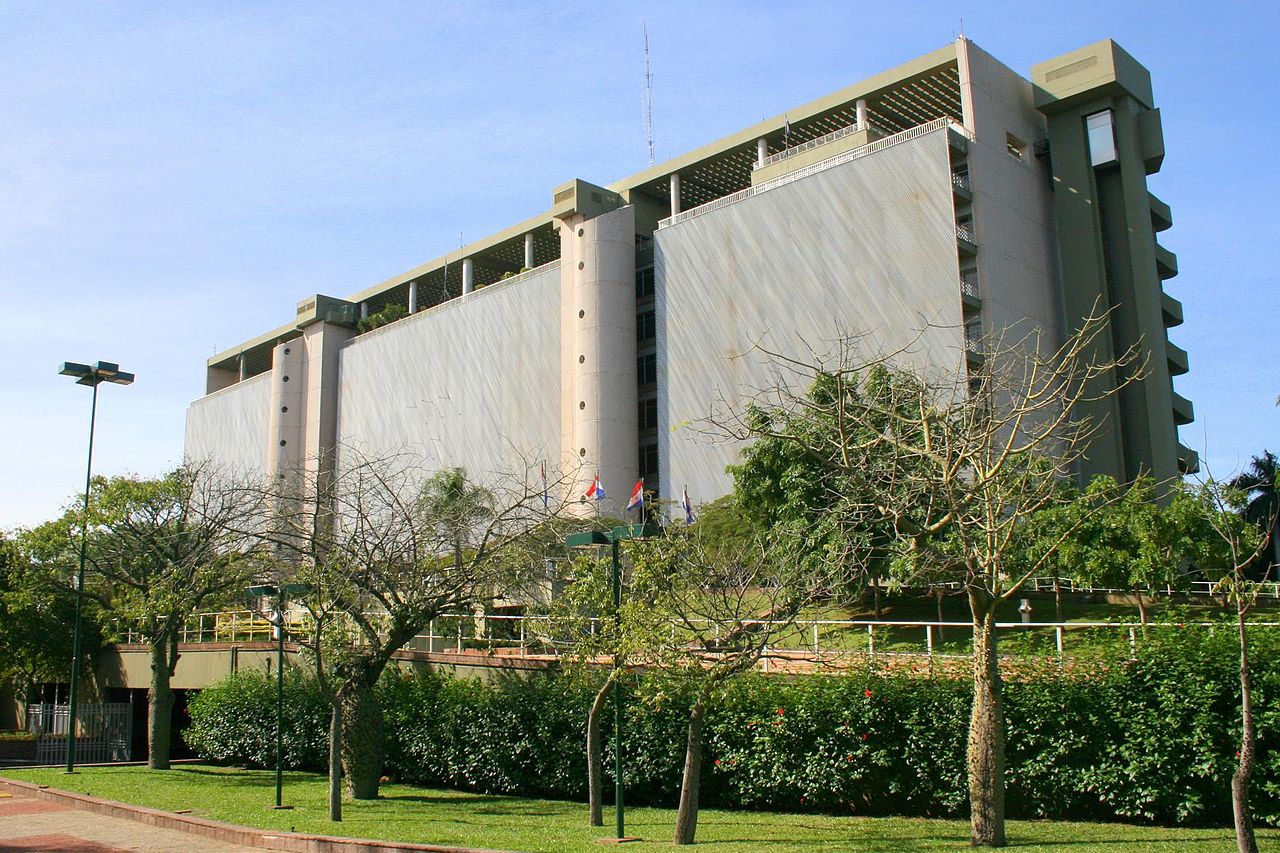
Paraguay's central bank decided to keep its benchmark interest rate steady at 5.5% on Friday, signaling a continued neutral monetary policy stance as the country navigates below-target inflation and a gradual economic slowdown. The decision aligned with widespread analyst expectations, following two consecutive quarter-point rate reductions since the start of the year.
The Banco Central del Paraguay targets an inflation rate of 3.5%, with an allowable tolerance band of plus or minus two percentage points. As of February, year-on-year inflation came in at just 2.3%, while core inflation registered at 2.1% — both comfortably within the target range. Monthly inflation for February was flat at 0%, as rising costs for education services and vegetables were effectively offset by declining food and fuel prices.
On the economic activity front, Paraguay's Monthly Indicator of Economic Activity posted a modest year-on-year growth of 0.9% in January, supported by gains in agriculture, electricity and water supply, and the services sector. The Business Figures Estimator also edged up 0.2% over the same period. Despite positive movement, the pace of expansion has noticeably slowed compared to prior periods, largely attributed to a higher statistical base from the previous year.
The Monetary Policy Committee flagged ongoing concerns over rising global energy costs, with international oil prices climbing above $100 per barrel amid escalating Middle East tensions. These external pressures remain a key variable the committee is watching closely for potential inflationary spillover effects on the domestic economy.
Moving forward, the central bank reaffirmed its commitment to closely monitoring both local and global economic developments, pledging to act swiftly if conditions threaten its inflation target. The next Monetary Policy Committee meeting is set for April 21, 2026, where policymakers will reassess whether the current rate stance remains appropriate given evolving economic conditions.







