


 US Backs Musk in Fight Against EU’s €120 Million X Fine
  China’s ‘Lipstick King’ Says AI Won’t Replace Livestream Hosts
  Gaza Faces Evacuation Crisis as War-Damaged Buildings Risk Collapse
  Fed Unveils Stablecoin Rules Under GENIUS Act
  RBI Uses $10 Billion Currency Swaps to Drain Excess Rupee Liquidity
  Russian Envoy Dmitriev Heads to US for Ukraine Talks
  U.S. 10-Year Treasury Yield Hits 2007 High as Fed Rate Hike Bets Rise
  Judge Orders Trump to Restore White House Access for CNN, MS NOW and Politico
  Pezeshkian Says US Must Choose When Iran War Ends
  Netanyahu’s Brief US Trip Highlights Strains With Trump
  Mexico-US Trade Talks Delayed to October as Tariff Negotiations Continue
  US Senate Rejects Iran War Powers Resolution in 50-49 Vote
  Asian Currencies Mixed as Dollar Holds Near Two-Month High
  Abbas Reaffirms November 28 Palestinian Elections
  Taiwan Thanks US for Support Ahead of Trump-Xi Summit
  US Invites Putin to Miami G20, Opening Door to Trump Summit
  North Korea Warns South Korea Over US-Led Defense Role


 Add as a preferred source on Google
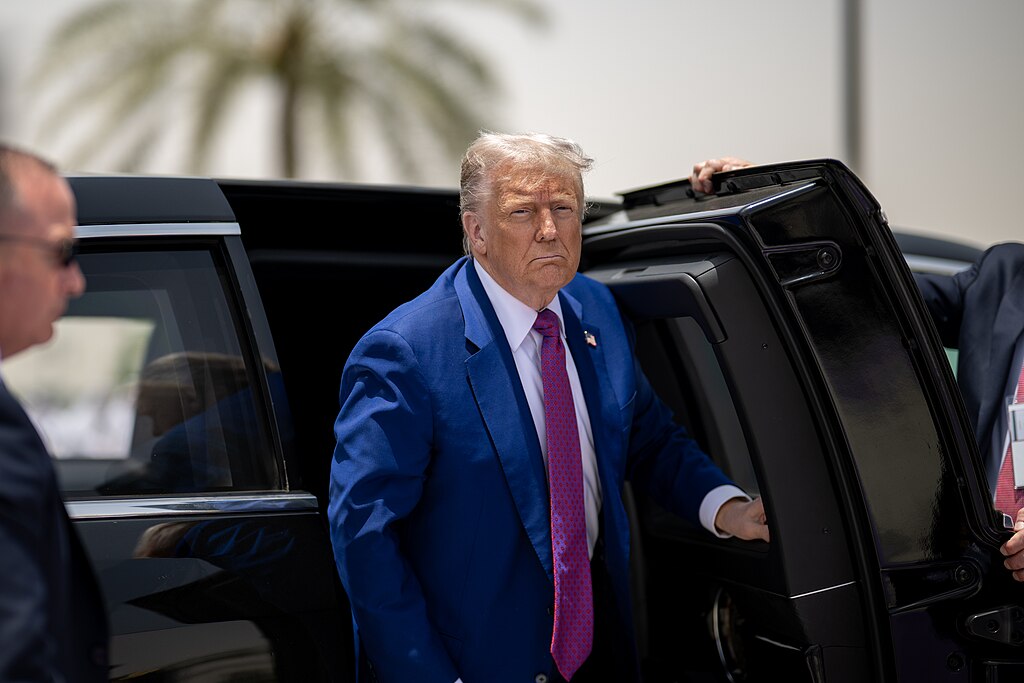
President Donald Trump announced that the United States is nearing the conclusion of its high-intensity military operation against Iran, known as "Operation Epic Fury." In a Truth Social post, Trump outlined five specific conditions that would trigger a strategic wind-down of the campaign, citing significant progress in degrading Tehran's military capabilities and dismantling its defense industrial base.
Financial markets responded immediately to the news. An S&P 500-tracking ETF climbed 0.9% in after-hours trading as investors began unwinding the regional "war premium" built into asset prices, signaling growing confidence in a potential de-escalation.
Trump's exit framework centers on the complete neutralization of Iran's military threat, including the full elimination of its naval forces, air capabilities, and anti-aircraft systems. The President also stressed the importance of permanently blocking Iran from advancing its nuclear enrichment program, ensuring the U.S. retains the capacity to respond swiftly and decisively to any future atomic ambitions.
Protecting key regional allies — Israel, Saudi Arabia, Qatar, and the UAE — remains a top priority under the administration's security doctrine. Trump also introduced a notable shift in Strait of Hormuz policy, arguing that since the U.S. is no longer heavily dependent on the waterway for its own energy needs, nations that rely on it should shoulder the primary responsibility for securing it. Washington would offer support only if requested, reflecting a broader pivot toward energy independence through domestic shale production.
For global investors and energy markets, this transition from active combat operations to a regional guardianship model represents a defining geopolitical inflection point. Attention now shifts from immediate military risk to the longer-term structural costs of maintaining stability across one of the world's most strategically vital shipping corridors.







