


 US, China Extend Trade Truce to Jan. 10 Ahead of Trump-Xi Summit
  Fed Unveils Stablecoin Rules Under GENIUS Act
  Soybean Futures Slip as Traders Await Trump-Xi Trade Signals
  Oil Prices Surge as U.S.-Iran Diplomacy Hopes Fade
  European Stocks Slip as Iran Tensions Offset Strong Eurozone Data
  U.S. 10-Year Treasury Yield Hits 2007 High as Fed Rate Hike Bets Rise
  U.S. Dollar Hits Two-Month High as Oil, Treasury Yields Surge
  Wall Street Falls as Treasury Yields Surge, Oil Rebounds on Iran Tensions
  Australia Unemployment Hits Five-Year High Despite Strong Jobs Growth
  Gold Prices Fall as Treasury Yields Rise on Fed Rate Hike Bets
  US Stock Futures Fall as Treasury Yields Surge Ahead of Trump-Xi Summit
  South Korea, US Discuss Warship Building Cooperation
  Trump, Xi Focus on Trade and AI at White House Summit
  U.S. Treasury Yields Surge as 30-Year Hits 22-Year High
  Japan Private-Sector Growth Slows as Domestic Demand Weakens
  Wall Street Ends Flat as Oil, Treasury Yields and Fed Jitters Rattle Markets


 Add as a preferred source on Google
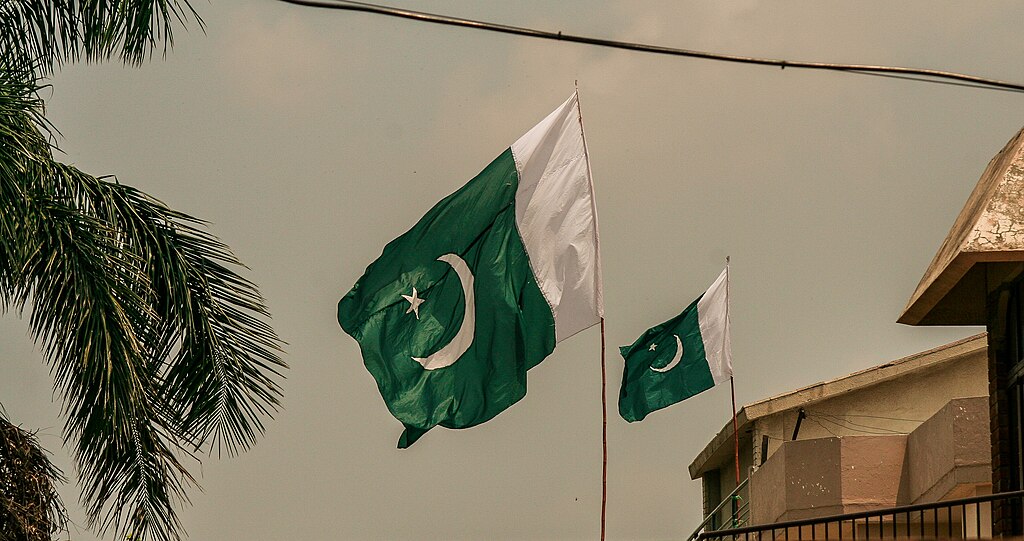
Pakistan’s economy is projected to expand by 3.7% in the fiscal year ending June 2026, according to the country’s annual economic survey released on Thursday. The report highlights improving macroeconomic indicators, lower inflation, and stronger fiscal management as the government continues efforts to stabilize and strengthen the economy.
The survey showed that average Consumer Price Index (CPI) inflation eased to 6.7% during the July-May period, reflecting improved price stability across the country. Authorities noted that inflation remained largely under control despite volatility in global energy markets and the impact of tensions in the Gulf region on oil prices.
Pakistan’s external sector also showed signs of resilience. The current account deficit stood at $252 million during the July-April period, indicating relatively stable external balances. Meanwhile, the country recorded a trade deficit of $23.53 billion from July to March, underscoring ongoing challenges in narrowing the gap between imports and exports.
The report highlighted significant progress in fiscal management. Pakistan’s fiscal deficit reached just 0.7% of gross domestic product (GDP) during the July-March period, a performance described as one of the strongest in decades. Improved fiscal outcomes were supported by tighter expenditure controls, enhanced revenue collection measures, provincial government surpluses, and continued fiscal reform initiatives.
Additionally, the country posted a primary surplus of 3.2% of GDP, demonstrating stronger government finances before interest payments on debt. Public debt stood at 83,285 billion Pakistani rupees by the end of March, according to the survey.
Overall, the economic survey painted an encouraging picture of Pakistan’s economy, citing steady GDP growth, lower inflation, improved fiscal discipline, and ongoing structural reforms. The government said these developments reflect progress toward economic stability and sustainable growth, even as global economic uncertainties and external pressures continue to pose challenges for emerging markets like Pakistan.







