


 Best Gold Stocks to Buy Now: AABB, GOLD, GDX
  ECB Set to Raise Interest Rates as Energy Shock Fuels Eurozone Inflation Concerns
  RBA Expected to Hold Interest Rates at 4.35% as Markets Watch AUD/USD and ASX 200
  ECB Keeps July Rate Options Open Amid Iran War Energy Price Risks


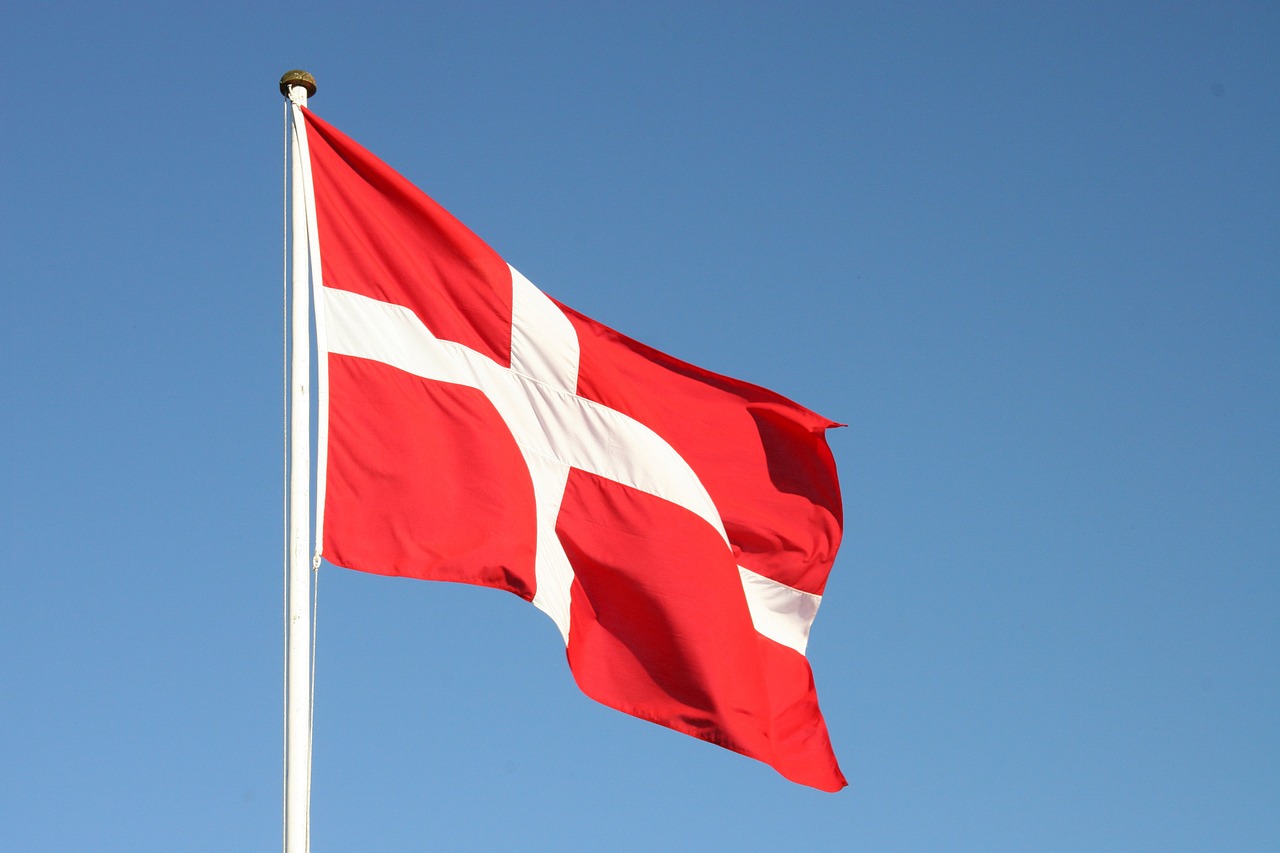
Denmark has just published October's FX reserve and central bank balance sheet. In October, the FX reserve declined to DKK492bn, from DKK514bn in September. DKK10bn of the decline was due to DN purchasing DKK in FX intervention. The remainder was due to repayment of government foreign debt. DN carried out FX intervention to cap EUR/DKK upside - in the first half of October EUR/DKK traded above the central rate of 7.46038.
Since April, DN has purchased DKK in FX intervention for DKK223bn, which has brought the FX reserve closer to the level from last year of around DKK450bn. However, the pace of FX intervention slowed in October compared with September, where FX intervention totalled DKK22bn. With EUR/DKK currently trading below the central rate of 7.46038, there is currently no need for additional FX intervention purchase of DKK.
"We expect the ECB to cut its deposit rate by 10bp to minus 0.30% and expand its bond purchase programme to DKK75bn at its next meeting in December. We forecast DN will keep all its policy rates unchanged, i.e. we expect the rate of interest on certificates of deposit to stay at minus 0.75%, the current account rate at 0.00% and the lending rate at 0.05%. We forecast EUR/DKK at 7.4550 in 3M-12M. Should downward pressure on EUR/DKK return, we expect DN to cap EUR/DKK downside around 7.4500 using FX intervention", says Danske Bank.
The government's deposits at the central bank were DKK187bn in October, down from DKK194bn in September and above the budget projection. This could perhaps be due to unexpected revenue from the extraordinary tax on capital pensions. While the government's deposits are ample at present, they are set to fall close to DKK100bn in November, when a large DGB redemption is due.







