


 Makemation: a Nollywood movie that shows AI in action in Africa
  Samsung Electronics Posts Eightfold Profit Surge Driven by AI Chip Demand
  SK Hynix Eyes Up to $14 Billion U.S. IPO to Fund AI Chip Expansion
  Britain Courts Anthropic Amid US Defense Department Dispute
  Meta and Google just lost a landmark social media addiction case. A tech law expert explains the fallout
  California's AI Executive Order Pushes Responsible Tech Use in State Contracts
  SpaceX Eyes Historic IPO at $1.75 Trillion Valuation
  Nanya Technology Shares Surge 10% After $2.5 Billion Private Placement from Sandisk and Cisco
  Microsoft's $10 Billion Japan Investment: AI Infrastructure and Data Sovereignty Push
  NASA Artemis II: First Crewed Moon Mission Since Apollo Takes Four Astronauts on 10-Day Lunar Journey
  Australia's Social Media Ban for Under-16s Sparks Global Movement
  China's Push to Steal Taiwan's Chip Technology and Talent Raises Security Alarms
  Elon Musk Ties SpaceX IPO Access to Mandatory Grok AI Subscriptions
  Apple's Foldable iPhone Faces Engineering Setbacks, Mass Production Timeline at Risk
  TSMC Japan's Second Fab to Produce 3nm Chips by 2028


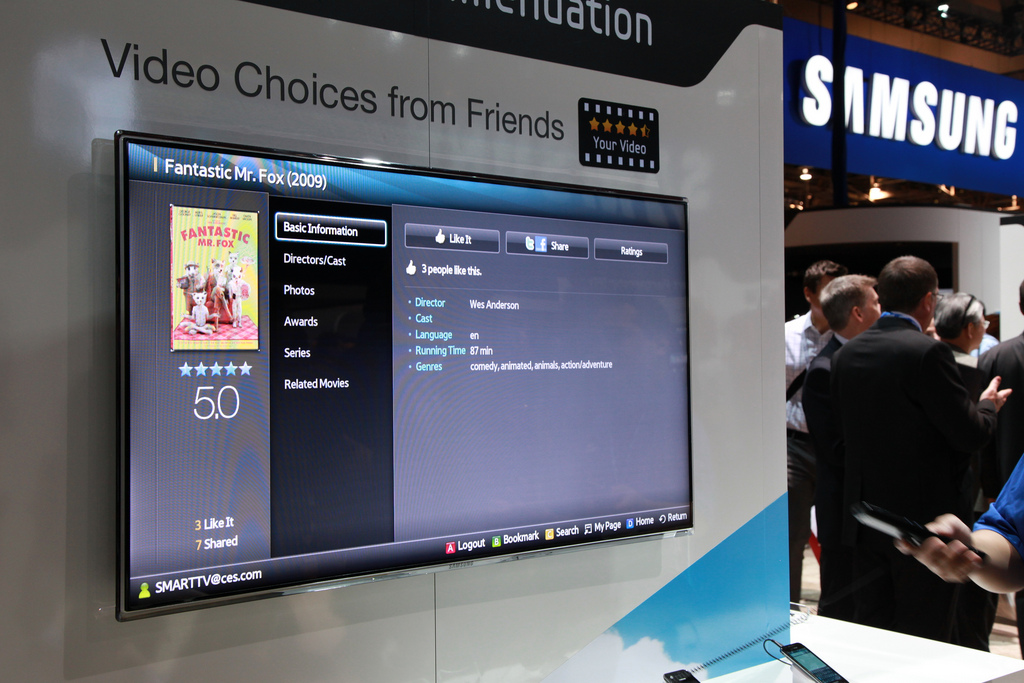
WikiLeaks recently poured cold water on everyone this week when it released documents pertaining to alleged CIA surveillance of Americans using their smart TVs and mobile devices. In the aftermath, people are asking several questions pertaining to the revelation. The two most pressing queries, however, are just how vulnerable citizens are to being spied on and what can they do to prevent this from happening?
As Fortune notes, the documents that WikiLeaks revealed are not as cut and dry as the infamous group makes them out to be. For starters, the details in the documents themselves are far too vague to make any kind of definitive assessment to make a judgment on how vulnerable the American people really are from being spied on by the CIA.
Then again, even the broadest of impressions is enough to make people panic at the thought that someone might be watching them through their television sets in their own homes. As such, it helps to get some clarity with the situation. CBS News recently received a statement from the agency that goes a long way towards achieving this by answering some of the questions that are likely in the minds of Americans right now.
For starters, it would appear that the tools that the CIA is employing to spy on people using a variety of devices works on a targeted basis. This means that it won’t likely affect a huge portion of citizens unless they pose a particular interested to the agency.
Unfortunately, for those who really want to make sure that they won’t become the target of spying, it seems there’s not much they can do in the way of preventing the CIA from accessing their devices. While companies like Samsung and Apple are doing their best to make their products hack-proof via regular updates and rigorous security measures, sometimes the agency will just break through.







