


 Norway Opens Corruption Probe Into Former PM and Nobel Committee Chair Thorbjoern Jagland Over Epstein Links
  SoftBank and Intel Partner to Develop Next-Generation Memory Chips for AI Data Centers
  Global PC Makers Eye Chinese Memory Chip Suppliers Amid Ongoing Supply Crunch
  Tencent Shares Slide After WeChat Restricts YuanBao AI Promotional Links
  Minnesota Judge Rejects Bid to Halt Trump Immigration Enforcement in Minneapolis
  SpaceX Prioritizes Moon Mission Before Mars as Starship Development Accelerates
  Federal Judge Restores Funding for Gateway Rail Tunnel Project
  Nvidia, ByteDance, and the U.S.-China AI Chip Standoff Over H200 Exports
  SpaceX Seeks FCC Approval for Massive Solar-Powered Satellite Network to Support AI Data Centers
  Google Halts UK YouTube TV Measurement Service After Legal Action
  Jerome Powell Attends Supreme Court Hearing on Trump Effort to Fire Fed Governor, Calling It Historic
  Trump Family Files $10 Billion Lawsuit Over IRS Tax Disclosure
  U.S. Condemns South Africa’s Expulsion of Israeli Diplomat Amid Rising Diplomatic Tensions
  U.S. Lawmakers to Review Unredacted Jeffrey Epstein DOJ Files Starting Monday
  Citigroup Faces Lawsuit Over Alleged Sexual Harassment by Top Wealth Executive
  Elon Musk’s SpaceX Acquires xAI in Historic Deal Uniting Space and Artificial Intelligence


Just when the American political sphere was getting more complicated than most voters were used to, here comes WikiLeaks to drop a huge rock in the pond. By releasing documents pertaining to CIA spying activities that involve Smart TVs, smartphones, and anti-virus products that are supposed to protect against spyware, the notorious watchdog group has thrown a wrench in an already creaky construct called the US government.
As if recording emails, phone calls, and text messages wasn’t bad enough, it would seem that the CIA is also recording sounds and images via the devices mentioned to invade the privacy of citizens during their most intimate moments, The Washington Post reports. Security experts have been theorizing this kind of vulnerability for years, but they were still alarmed that the CIA was actually exploiting it.
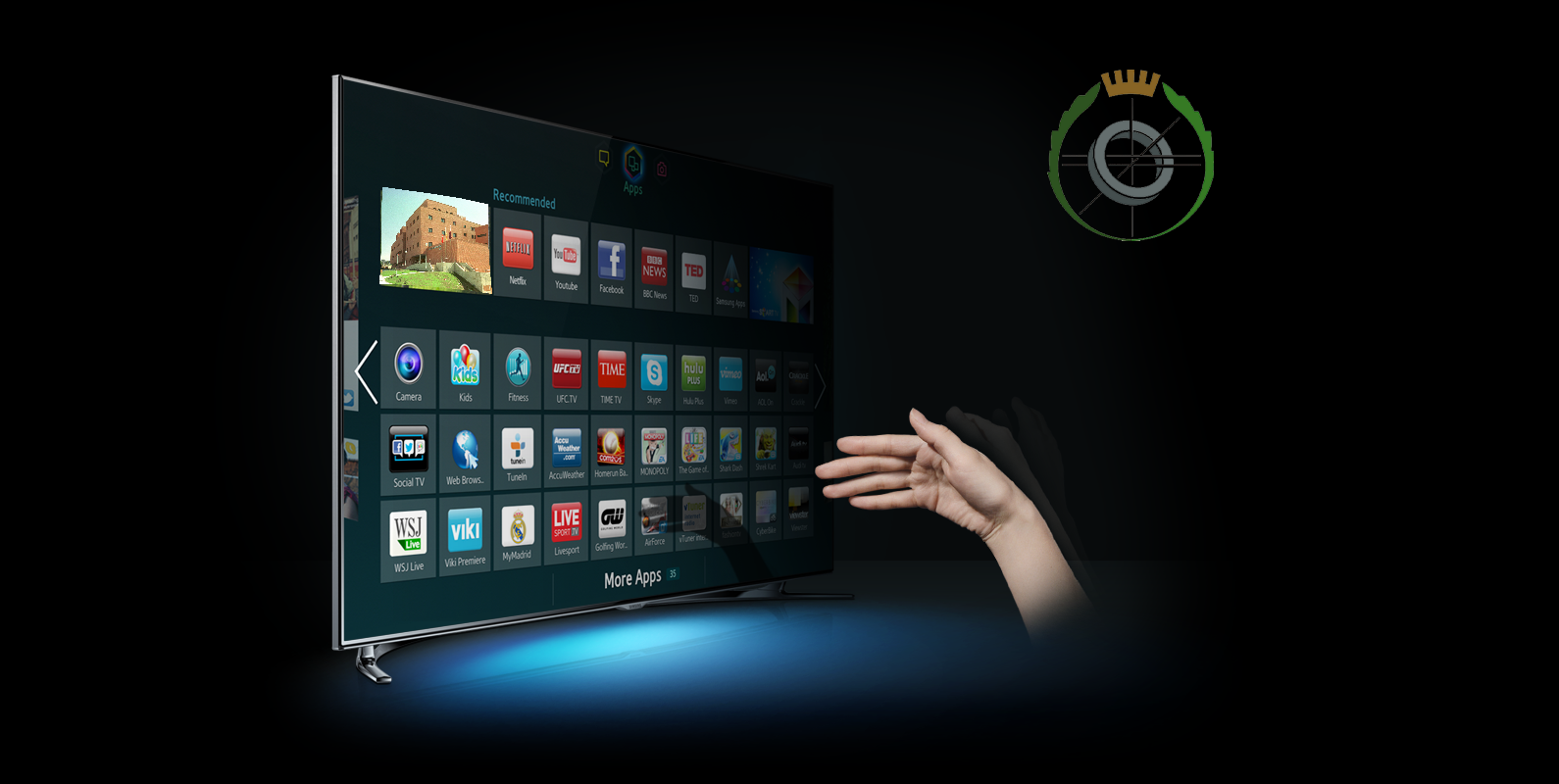
One of the tools that the agency uses to spy on US citizens is called “Weeping Angel.” According to what WikiLeaks wrote about the tool, it supposedly tricks owners of Smart TVs that it’s already turned off when it isn’t.
“After infestation, Weeping Angel places the target TV in a ‘Fake-Off’ mode, so that the owner falsely believes the TV is off when it is on, In ‘Fake-Off’ mode the TV operates as a bug, recording conversations in the room and sending them over the Internet to a covert CIA server,” WikiLeaks writes.
On the other hand, there are those who have a more dismissive attitude towards the new documents. Business Insider, for example, is less convinced that the spying activities are as alarming as WikiLeaks is making them out to be.
The publication called the allegations that the CIA broke through the security protocols of both WhatsApp and Signal false. Likewise, BI writes that the agency released no tool that is capable of breaking the security of an iPhone that has the latest version of the updates.













