


 Fed Unveils Stablecoin Rules Under GENIUS Act
  Oil Prices Surge as U.S.-Iran Diplomacy Hopes Fade
  Asian Currencies Mixed as Dollar Holds Near Two-Month High
  US, China Extend Trade Truce to Jan. 10 Ahead of Trump-Xi Summit
  U.S. Dollar Hits Two-Month High as Oil, Treasury Yields Surge
  Trump, Xi Focus on Trade and AI at White House Summit
  Asian Stocks Fall as Surging Bond Yields Rattle Markets
  China’s ‘Lipstick King’ Says AI Won’t Replace Livestream Hosts
  Oil Prices Ease as Iran Tensions Clash With Diplomacy Hopes
  Gold Prices Fall as Treasury Yields Rise on Fed Rate Hike Bets
  Wall Street Ends Flat as Oil, Treasury Yields and Fed Jitters Rattle Markets
  US 10-Year Treasury Yield at 6% Emerges as New Market Risk Threshold
  U.S. 10-Year Treasury Yield Hits 2007 High as Fed Rate Hike Bets Rise
  Soybean Futures Slip as Traders Await Trump-Xi Trade Signals
  European Stocks Fall as Bond Yields and Geopolitical Risks Weigh
  Fed Unveils Stablecoin Rules Under GENIUS Act


 Add as a preferred source on Google
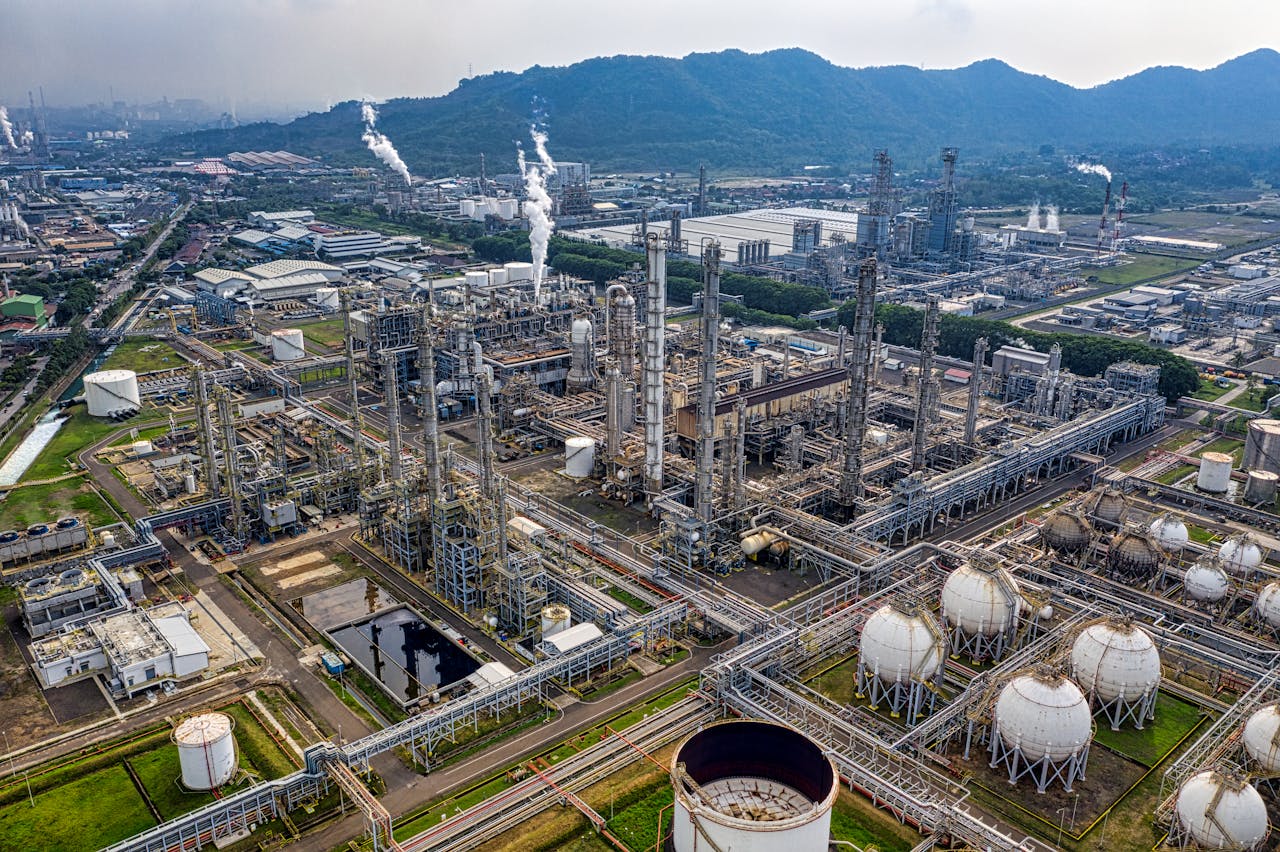
Global oil prices surged sharply on Tuesday as escalating military conflict involving the United States, Israel, and Iran disrupted energy shipments across the Middle East, raising concerns about prolonged supply shortages. Brent crude futures jumped $3.66, or 4.7%, to settle at $81.40 per barrel, marking the highest closing level since January 2025. U.S. West Texas Intermediate (WTI) crude also climbed $3.33, or 4.7%, to $74.56 per barrel, reaching its strongest settlement since June. Since the conflict began over the weekend, Brent crude has risen roughly 12%, reflecting growing market anxiety over potential disruptions to global oil supply.
The rally in oil markets came as U.S. and Israeli forces launched extensive strikes on targets across Iran, triggering retaliatory attacks from Tehran around the Persian Gulf and increasing tensions across the region, including Lebanon. Iran’s response has included strikes on energy infrastructure and tanker routes near the Strait of Hormuz, a critical global shipping corridor responsible for transporting nearly 20% of the world’s oil and liquefied natural gas.
Shipping activity through the strait has slowed significantly after insurers canceled coverage for vessels operating in the area. Iranian media reported that the country may target ships attempting to pass through the strategic waterway, intensifying fears of supply disruptions. Analysts at Standard Chartered noted that Iran’s retaliation appears broader than previous symbolic responses, increasing the risk of multiple regional flashpoints affecting energy flows.
Additional supply pressure emerged as Iraq, the second-largest oil producer in OPEC after Saudi Arabia, cut production by nearly 1.5 million barrels per day. Production cuts could increase further as storage capacity fills due to export disruptions. Meanwhile, Qatar has halted liquefied natural gas production, Israel has shut down several gas fields, and Saudi Arabia temporarily closed its largest refinery.
Saudi Aramco is reportedly attempting to reroute some crude exports through the Red Sea to bypass the Strait of Hormuz. At the same time, global buyers such as India and Indonesia are searching for alternative energy supplies, while some Chinese refineries are shutting down or accelerating maintenance schedules.
Energy markets are also seeing rising fuel prices. U.S. diesel futures surged about 10%, reaching their highest levels since October 2023, while gasoline futures climbed nearly 4% to $2.46 per gallon. Refining profit margins, known as crack spreads, have surged to their strongest levels since 2023.
The price gap between Brent crude and WTI widened to nearly $8 per barrel, its largest spread since November 2022, potentially boosting U.S. crude exports. Meanwhile, data from the American Petroleum Institute showed U.S. crude inventories increased by 5.6 million barrels last week, exceeding analyst expectations of a 2.3 million-barrel rise. Markets are now awaiting official inventory figures from the U.S. Energy Information Administration for further signals on supply trends.







