


 US, China Extend Trade Truce to Jan. 10 Ahead of Trump-Xi Summit
  Wall Street Falls as Treasury Yields Surge, Oil Rebounds on Iran Tensions
  U.S. Treasury Yields Surge as 30-Year Hits 22-Year High
  Dollar Holds Near Two-Month High as Yen Approaches 160
  Asian Stocks Fall as Bond Yields Surge Ahead of Trump-Xi Summit
  RBI Uses $10 Billion Currency Swaps to Drain Excess Rupee Liquidity
  Japanese Bank Stocks Surge as Bond Yields Fuel Rate Hike Bets
  Gold Prices Fall as Treasury Yields Rise on Fed Rate Hike Bets
  Oil Prices Surge as U.S.-Iran Diplomacy Hopes Fade
  U.S. 10-Year Treasury Yield Hits 2007 High as Fed Rate Hike Bets Rise
  Oil Prices Ease as Iran Tensions Clash With Diplomacy Hopes
  Wall Street Ends Flat as Oil, Treasury Yields and Fed Jitters Rattle Markets
  Asian Stocks Fall as Surging Bond Yields Rattle Markets
  US Stock Futures Fall as Treasury Yields Surge Ahead of Trump-Xi Summit
  Australia Unemployment Hits Five-Year High Despite Strong Jobs Growth
  Soybean Futures Slip as Traders Await Trump-Xi Trade Signals
  Gold Holds Near $4,275 as Rising Treasury Yields Fuel Fed Rate Hike Bets


 Add as a preferred source on Google
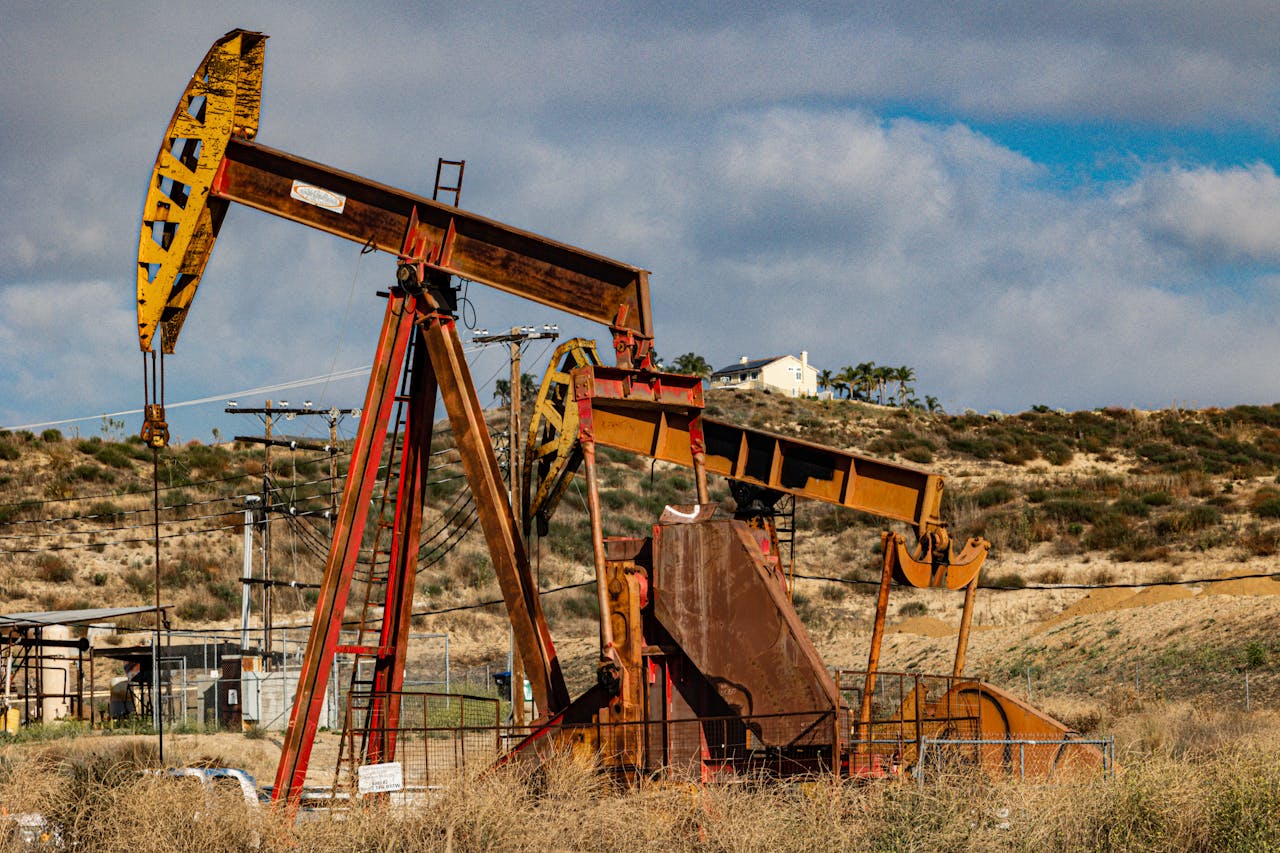
Oil prices extended their upward momentum on Monday, building on gains of more than 2% from the previous session, as escalating geopolitical tensions between the United States and Iran continued to unsettle energy markets. Investor concerns over potential supply disruptions outweighed news that Kazakhstan’s key oil export route had fully resumed operations, keeping crude prices supported near multi-month highs.
Brent crude futures edged up by 12 cents, or 0.18%, to trade around $66 a barrel in early Asian hours, while U.S. West Texas Intermediate (WTI) crude rose 14 cents, or 0.23%, to approximately $61.21 a barrel. Both benchmarks recorded weekly gains of about 2.7% on Friday, marking their highest closing levels since mid-January and highlighting renewed bullish sentiment in the oil market.
The primary driver behind the recent rally has been rising geopolitical risk in the Middle East. A U.S. military aircraft carrier strike group and additional assets are expected to arrive in the region in the coming days, heightening fears of potential conflict. U.S. President Donald Trump recently stated that an “armada” was heading toward Iran, while expressing hope that military force would not be necessary. He also warned Tehran against killing protesters or reviving its nuclear program. In response, a senior Iranian official said any attack would be considered an all-out war, further intensifying market anxiety.
Market analysts note that these developments have added a noticeable risk premium to crude prices. According to IG market analyst Tony Sycamore, the prospect of U.S. military action has reignited fears of supply disruptions, supporting oil prices and driving broader risk-averse flows across global markets.
Meanwhile, supply-side fundamentals offered mixed signals. Kazakhstan’s Caspian Pipeline Consortium confirmed that it had returned to full loading capacity at its Black Sea terminal after completing maintenance work, easing some concerns about export constraints. However, in the United States, severe winter weather has disrupted energy production. JPMorgan analysts estimate that oil output losses of around 250,000 barrels per day have occurred across regions such as the Bakken, Oklahoma, and parts of Texas. Crude and natural gas production declines, combined with spiking spot power prices, have added further support to oil prices.
Overall, oil markets remain highly sensitive to geopolitical headlines and weather-related supply risks, suggesting continued volatility in the near term.







