


 Asian Currencies Slide as Dollar Rises, Euro Hits 17-Month Low
  Iran Tanker Attacks Surge as Hormuz Oil Flows Near Prewar Levels
  Ukraine Faces $56 Billion Budget Gap as War Costs Soar
  Trump Plans Diesel Tax Relief as Fuel Prices Hit Record Highs
  Asian Stocks Rise as Fed Rate Hike Bets Fade
  Oil Prices Fall as Middle East Exports Recover, G7 Eases Supply Fears
  S&P 500 Hits Record High as AI Rally Lifts Wall Street
  Dollar Retreats From 18-Month High as Euro Rebounds
  China Shuts 670 Banks as Bitcoin Eyes Financial Risks
  Euro Hits 17-Month Low as France Debt Fears Boost Dollar
  India-US Trade Deal Talks Hit Plateau, Sitharaman Says
  German Industrial Orders Plunge 10.6% in August
  World Bank Raises South Asia Growth Forecast to 6.9%
  Asian Currencies Steady as Dollar Holds Near 18-Month High
  Europe EV Sales Hit Record as Affordable Models Boost Demand
  Asian Stocks Rise as Nasdaq Record Offsets Bond Yield Pressure
  Gold Prices Rise as Dollar Weakens, Treasury Yields Ease


 Add as a preferred source on Google
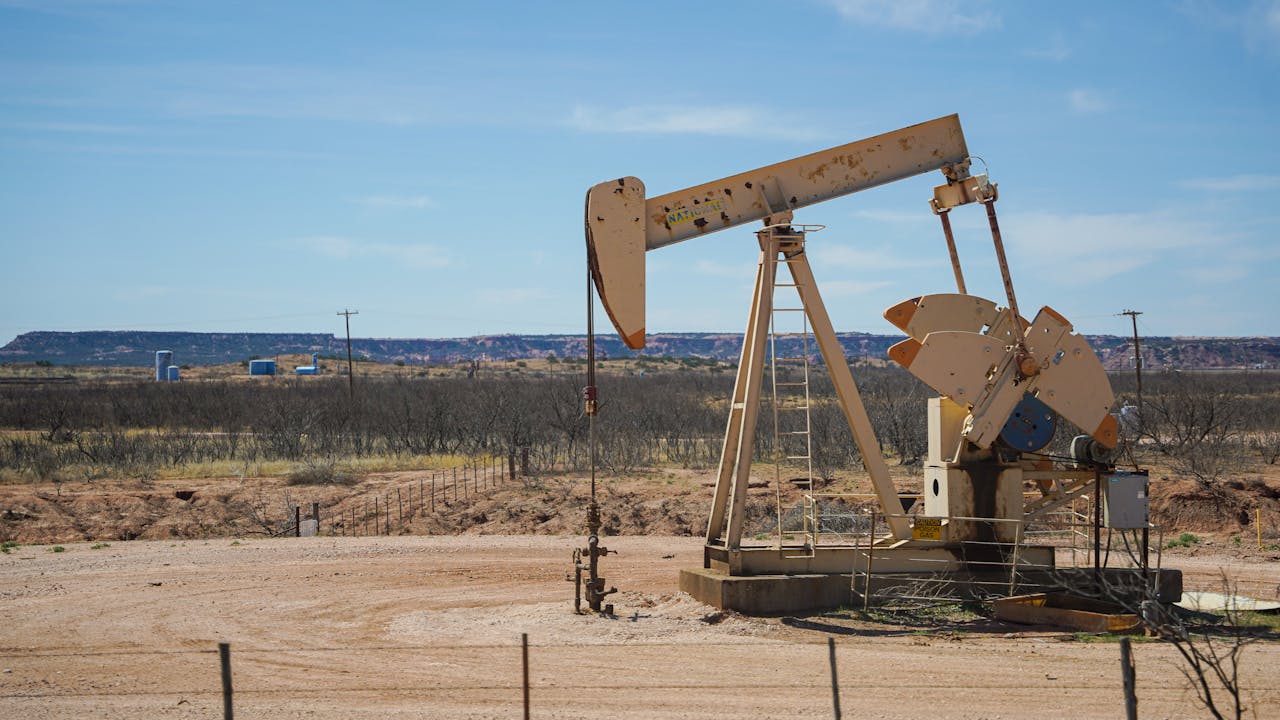
Oil prices reversed earlier losses on Tuesday as escalating security risks in the Strait of Hormuz and Yemen outweighed improving Middle East crude exports and plans by Group of Seven nations to release emergency reserves.
Brent crude futures for December rose 0.4% to $101.01 a barrel, while November U.S. West Texas Intermediate crude gained 0.4% to $89.81.
Middle East oil exports showed a significant recovery during September. Kpler data indicated the region’s seven-day average crude exports reached 18.3 million barrels per day on September 30, exceeding pre-war levels for 14 days during the month. Regional flows averaged 20.22 million barrels per day in the seven days through October 4, still below the pre-war baseline of 23.29 million.
However, supply concerns remain elevated as attacks on vessels increase around the Strait of Hormuz. Fighting in Yemen has also intensified, with Saudi-backed forces launching an offensive against Iran-backed Houthis. The Houthis responded by targeting Saudi airports, while reports indicated another attack on the kingdom’s strategically important East-West Pipeline.
ING analysts said the incident was a reminder that oil flows remain vulnerable. Saudi Energy Minister Prince Abdulaziz bin Salman said 5.8 million barrels had moved through the East-West Pipeline as of Tuesday morning.
Meanwhile, G7 countries agreed to release 100 million barrels of crude oil and diesel from emergency reserves while avoiding energy export restrictions, helping ease some supply pressure.
President Donald Trump also signed an executive order aimed at lowering U.S. diesel prices. Measures include temporarily allowing highway use of tax-free dyed diesel and deferring the federal diesel tax on that fuel through year-end. U.S. diesel prices recently hit a record $6.5276 per gallon on September 22.
The Energy Information Administration also raised its oil price outlook, forecasting Brent crude will average $105 per barrel in the fourth quarter, $14 above its previous estimate.
The EIA expects Middle East production and exports to gradually improve through alternative shipping routes and other workarounds. However, tight diesel markets, declining global inventories and continued attacks on energy infrastructure could keep crude prices volatile. Brent is forecast to fall to an average of $84 per barrel next year.







