


 Oil Prices Rise as Hormuz Attacks Fuel Supply Fears
  Ukraine Faces $56 Billion Budget Gap as War Costs Soar
  Iran Tanker Attacks Surge as Hormuz Oil Flows Near Prewar Levels
  India-US Trade Deal Talks Hit Plateau, Sitharaman Says
  Wall Street Rises as Oil Prices Ease, Nasdaq Hits Record
  Europe EV Sales Hit Record as Affordable Models Boost Demand
  Asian Currencies Steady as Dollar Holds Near 18-Month High
  Gold Prices Rise as Dollar Weakens, Treasury Yields Ease
  Asian Stocks Rise as Nasdaq Record Offsets Bond Yield Pressure
  RBI Rate Hike Bets Surge as Inflation Rises
  Trump Opens Tax-Exempt Dyed Diesel Access as Fuel Prices Surge
  Euro Hits 17-Month Low as France Debt Fears Boost Dollar
  Gold Prices Slip as Strong Dollar and High Treasury Yields Weigh
  Australia Consumer Confidence Plunges as RBA Rate Hike Hits Households
  Hong Kong Stocks Slip as Property, Financial Shares Weigh
  US Stock Futures Rise as Weak Jobs Data Eases Fed Hike Bets
  German Industrial Orders Plunge 10.6% in August


 Add as a preferred source on Google
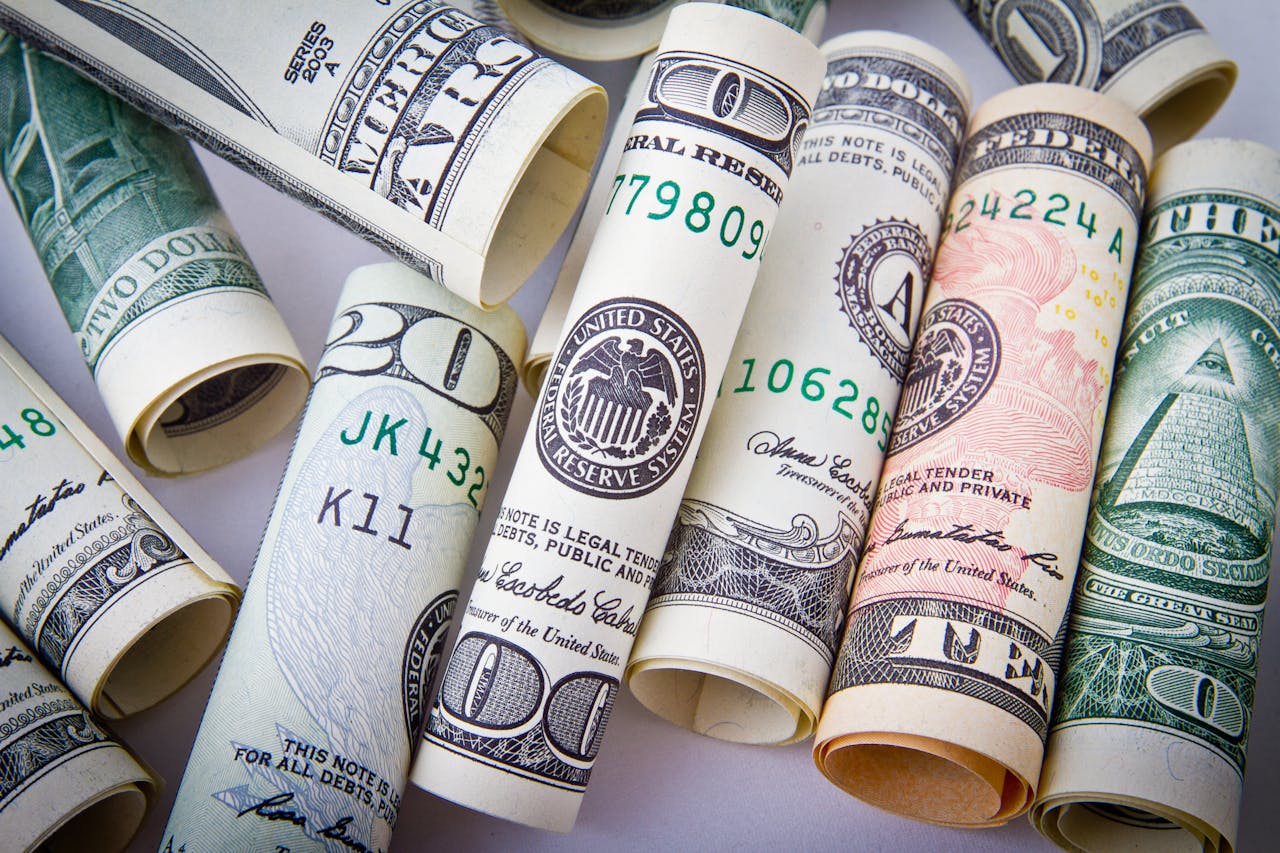
The U.S. dollar weakened on Tuesday, retreating from near an 18-month high as the euro recovered and a recent selloff in U.S. Treasury bonds eased.
The U.S. dollar index, which measures the greenback against six major currencies, fell 0.3% to 101.86, though it remained close to its strongest level since April 2025. Meanwhile, the euro gained 0.3% to $1.1259 as European bond markets showed signs of stabilization.
The euro’s rebound came after French presidential frontrunner Marine Le Pen outlined plans for substantial spending cuts if elected. France has faced growing fiscal concerns, with its deficit projected at 5.4% of GDP this year and public debt approaching 120% of GDP. Rising concerns have pushed French 10-year borrowing costs to levels unseen since the early 2000s.
Le Pen said she would restore a primary budget surplus before the end of 2028 and reduce public spending below 50% of GDP by the end of her term. She is targeting €140 billion in savings by 2032.
Macquarie strategist Thierry Wizman said the National Rally’s proposals could reduce France’s fiscal deficit to 3.7% of GDP in 2027 and 2.2% by 2032. However, he questioned whether meaningful deficit reduction was achievable without structural reforms to pensions and social benefits.
The euro also received support from European Central Bank Chief Economist Philip Lane, who said elevated energy prices have not yet produced strong second-round inflation effects across the eurozone. His comments reinforced expectations that the ECB could maintain a measured approach to monetary policy.
In the United States, easing Treasury yields reduced support for the dollar. The benchmark 10-year Treasury yield fell 3.5 basis points to 5.278%, while the 30-year yield settled at 5.661%. Both recently reached their highest levels since early 2002.
Bond markets have been pressured by oil-driven inflation concerns, heavy corporate borrowing to finance artificial intelligence infrastructure, hawkish central banks and rising government debt.
President Donald Trump attributed the dollar’s strength against the euro to strong U.S. economic performance, adding that a strong dollar helps limit inflation.







