


 Fed Unveils Stablecoin Rules Under GENIUS Act
  US, China Extend Trade Truce to Jan. 10 Ahead of Trump-Xi Summit
  South Korea, US Discuss Warship Building Cooperation
  Oil Prices Ease as Iran Tensions Clash With Diplomacy Hopes
  Soybean Futures Slip as Traders Await Trump-Xi Trade Signals
  European Stocks Slip as Iran Tensions Offset Strong Eurozone Data
  US 10-Year Treasury Yield at 6% Emerges as New Market Risk Threshold
  European Stocks Fall as Bond Yields and Geopolitical Risks Weigh
  RBI Uses $10 Billion Currency Swaps to Drain Excess Rupee Liquidity
  U.S. 10-Year Treasury Yield Hits 2007 High as Fed Rate Hike Bets Rise
  US Dollar Hits Two-Month High as Fed Rate Hike Bets Rise
  Fed Unveils Stablecoin Rules Under GENIUS Act
  Australia Unemployment Hits Five-Year High Despite Strong Jobs Growth
  Wall Street Ends Flat as Oil, Treasury Yields and Fed Jitters Rattle Markets
  Mexico-US Trade Talks Delayed to October as Tariff Negotiations Continue
  U.S. Dollar Hits Two-Month High as Oil, Treasury Yields Surge
  Russian Envoy Dmitriev Heads to US for Ukraine Talks


 Add as a preferred source on Google
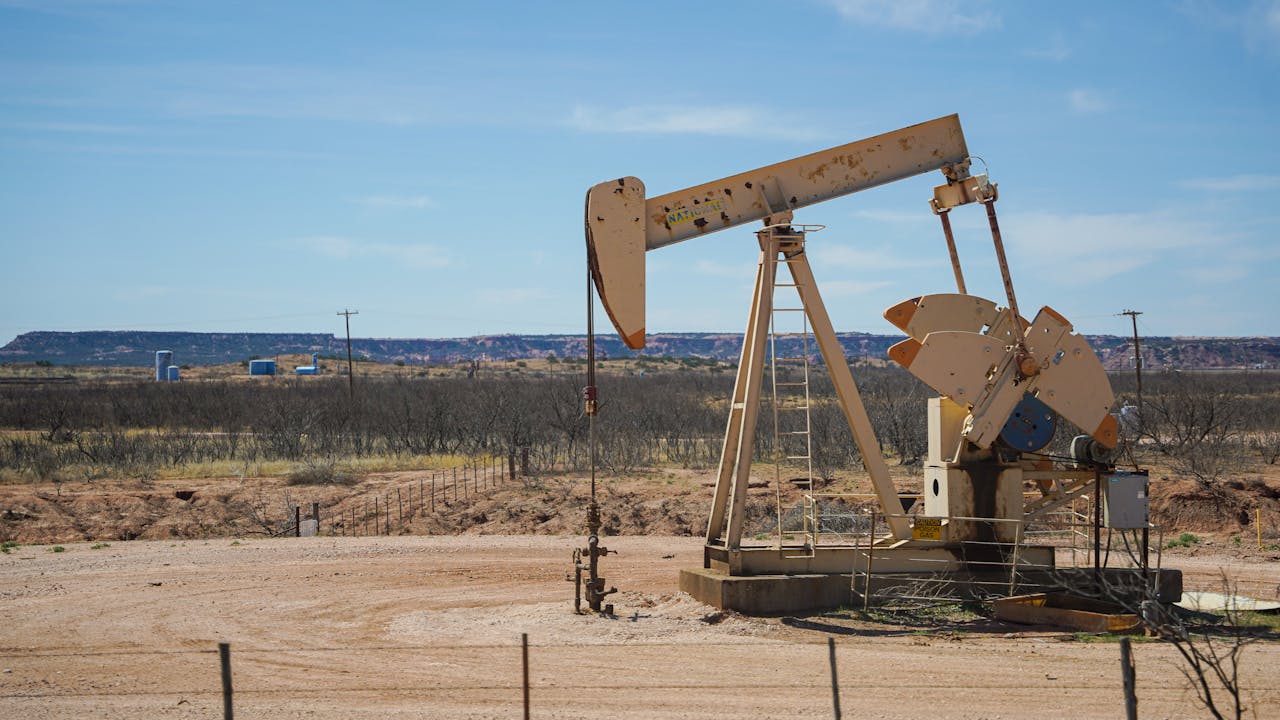
Oil prices eased on Friday after a sharp two-week rally, but crude remained supported by ongoing supply concerns as tensions in the Middle East continued to threaten key global shipping routes.
Brent crude futures for September delivery fell 4.2% to $96.46 a barrel, while U.S. West Texas Intermediate (WTI) crude for September declined 3.2% to $89.22 a barrel as of 3:37 p.m. ET (19:37 GMT). Despite the retreat, Brent has surged 26.9% and WTI has climbed 25.1% since July 10, fueled by escalating geopolitical risks.
The latest rally followed renewed attacks by Iran-backed Houthi militants on Saudi oil tankers in the Red Sea, adding to concerns over disruptions at the Bab el-Mandeb Strait. Combined with ongoing uncertainty surrounding the Strait of Hormuz, the two waterways remain critical chokepoints for global energy supplies.
Shipping analytics firm Kpler reported mixed vessel activity across both routes. Traffic through the Strait of Hormuz dropped to six confirmed crossings, down 60% from the previous day, while Bab el-Mandeb recorded 49 confirmed crossings, including sanctioned and shadow fleet vessels. Some ships resumed voyages after earlier delays, although many operators continue to assess security risks before transiting the region.
The surge in crude prices has also revived inflation concerns, pushing U.S. Treasury yields higher as investors reduced bond holdings and increased expectations that the Federal Reserve could maintain a more hawkish interest rate stance.
According to Adam Turnquist, chief technical strategist at LPL Financial, oil prices are being supported by stronger technical momentum, heavy bearish positioning, shipping disruptions, and historically low strategic inventories. He noted that although weaker demand from China or renewed diplomatic negotiations could ease the rally, limited spare supply is likely to keep oil prices volatile until shipping conditions improve and inventories recover.
Meanwhile, hostilities between the United States and Iran showed little sign of easing. U.S. Central Command confirmed a 13th consecutive night of strikes against Iran, while Tehran continued targeting U.S. military bases in Bahrain, Kuwait, and Jordan.
Diplomatic efforts also remain uncertain. Reports that Iran rejected a U.S.-backed ceasefire proposal were denied by Iraq's prime minister's office, which called the claims "entirely unfounded."







