


 Oil Prices Ease as Iran Tensions Clash With Diplomacy Hopes
  Trump, Xi Focus on Trade and AI at White House Summit
  Asian Stocks Fall as Bond Yields Surge Ahead of Trump-Xi Summit
  Oil Prices Fall on U.S.-Iran Hormuz Deal Hopes
  Gold Prices Fall as Treasury Yields Rise on Fed Rate Hike Bets
  US Stock Futures Fall as Treasury Yields Surge Ahead of Trump-Xi Summit
  Fed’s Hammack Says Bond Yield Surge Is Not Driven by Inflation Fears
  RBI Uses $10 Billion Currency Swaps to Drain Excess Rupee Liquidity
  China’s ‘Lipstick King’ Says AI Won’t Replace Livestream Hosts
  Asian Currencies Mixed as Dollar Holds Near Two-Month High
  Mexico-US Trade Talks Delayed to October as Tariff Negotiations Continue
  Dollar Falls as Oil Eases, Yen Jumps on Intervention Signals
  Australia Unemployment Hits Five-Year High Despite Strong Jobs Growth
  Dollar Holds Near Two-Month High as Yen Approaches 160
  Fed Unveils Stablecoin Rules Under GENIUS Act
  Fed Unveils Stablecoin Rules Under GENIUS Act
  Wall Street Ends Flat as Oil, Treasury Yields and Fed Jitters Rattle Markets


 Add as a preferred source on Google
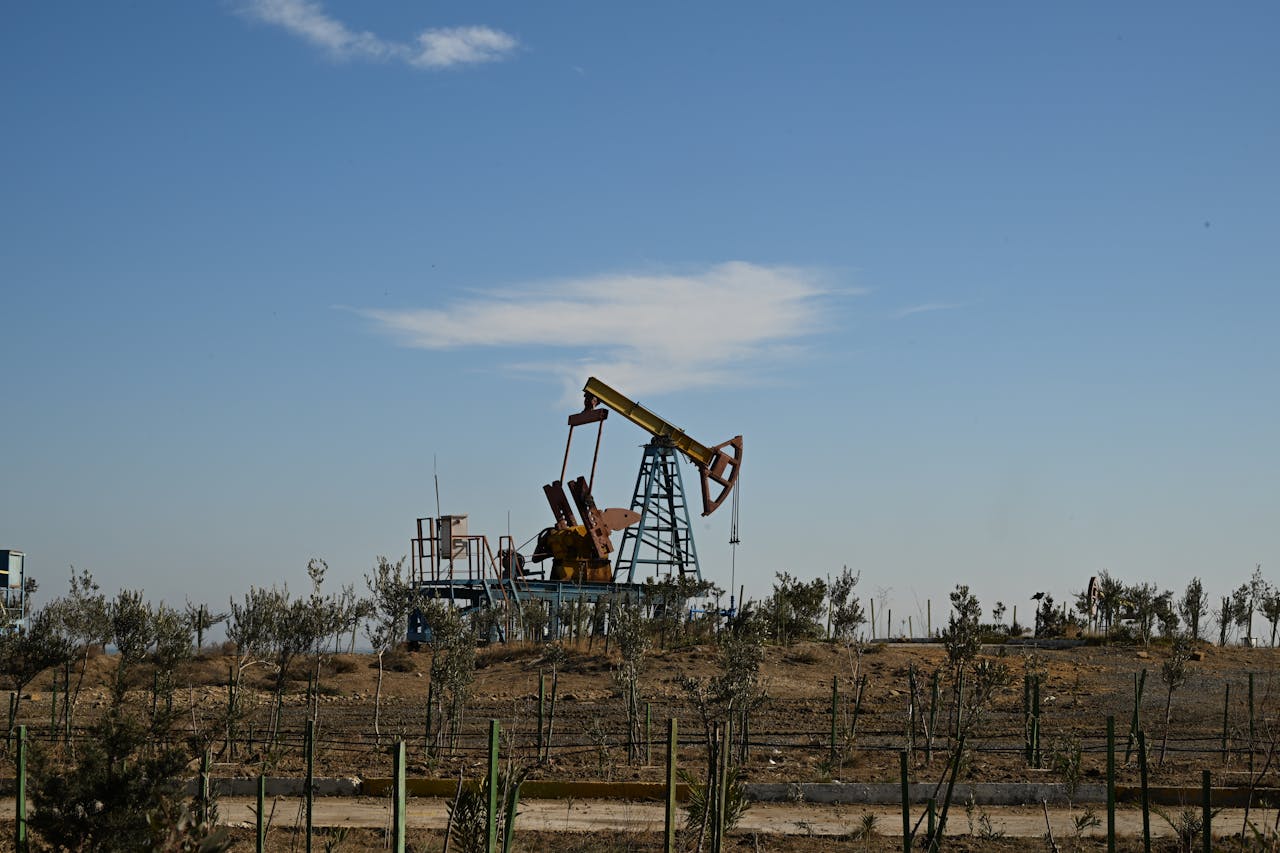
Oil prices remained largely stable in Asian trading on Friday, with traders assessing diplomatic developments between the U.S., Ukraine, and Russia while anticipating a crucial OPEC+ meeting that could shape the global crude supply outlook for early 2026. Brent crude futures for January hovered at $63.35 per barrel, while WTI crude futures rose 0.6% to $59.02, supported by expectations of a potential Federal Reserve rate cut next month. Both benchmarks were on track to gain more than 1% for the week, recovering slightly from recent volatility.
Market sentiment was influenced by renewed diplomatic efforts led by Washington to advance a revised peace framework aimed at ending the nearly four-year war between Russia and Ukraine. The proposal, reportedly discussed in Geneva, outlines phased security guarantees and territorial arrangements that Western officials hope could serve as the basis for broader negotiations with Moscow. Any meaningful progress could gradually ease sanctions-related pressure on Russian oil exports, potentially lowering the geopolitical risk premium priced into crude markets.
Russian President Vladimir Putin acknowledged that the U.S.-Ukraine draft could be a foundation for future talks but emphasized that no agreement had been finalized and that Moscow would not make significant concessions. U.S. special envoy Steve Witkoff is scheduled to visit Moscow next week, a move that could slightly temper supply concerns, though analysts remain skeptical of an imminent breakthrough.
At the same time, the oil market is looking ahead to the upcoming OPEC+ meeting. The alliance is widely expected to maintain current production levels rather than raise output. Delegates have indicated the group will likely prioritize a long-planned capacity review as it weighs rising non-OPEC production against uneven global demand. Analysts at ING noted that fundamental conditions remain broadly similar to those at the previous meeting, suggesting no major policy shifts are expected.







